


Zelia Oliveira Bettencourt is a strong and independent woman whom I have the privilege of calling my grandmother. She was born on November 5, 1953, in Porterville, California. She is the youngest child of her parents and the only child among her three siblings, born in America. Her mother was an American citizen since she was born in Massachusetts before moving to the Azores, whereas her father was born on the Azorean Island of Terceira.
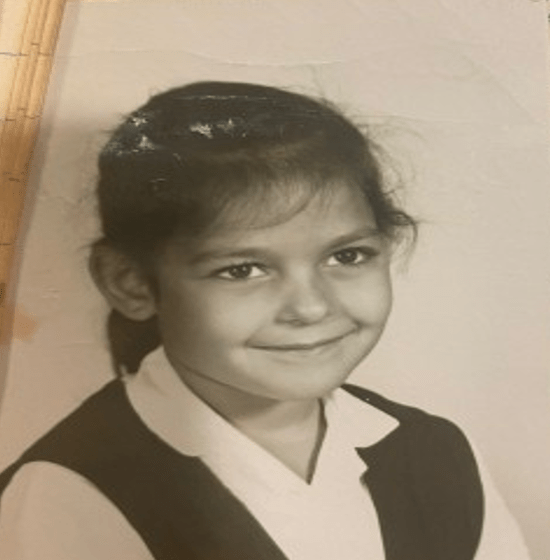
The story of how Zelia’s family immigrated to the United States isn’t very peaceful. In fact, it was a long and rocky road for the family of six to all move to the United States together. Zelia’s mother and brother had wanted to come to America for a long time. They realized their window would be when her brother was nearing the age of sixteen. This is because, at the time, anyone who made their sixteenth birthday in America would be considered a citizen of the United States. Seeing this opportunity, the two of them, along with Zelia’s father and two sisters, tried to immigrate there. However, her eldest sister had a scar on her lungs after previously coming down with a bad case of pneumonia. Due to this, she wasn’t allowed to leave the country since the officials had mistaken it for tuberculosis. So, Zelia’s father and two sisters stayed behind while her mother and brother left the Azores. A year later, Zelia’s father and the youngest of her two sisters joined the rest of their family in America. Her eldest sister stayed behind with her grandparents to fight in a trial to reunite with her family. In 1957, the entire family was reunited in Tipton, California, with a four-year-old Zelia meeting her eldest sister for the first time.
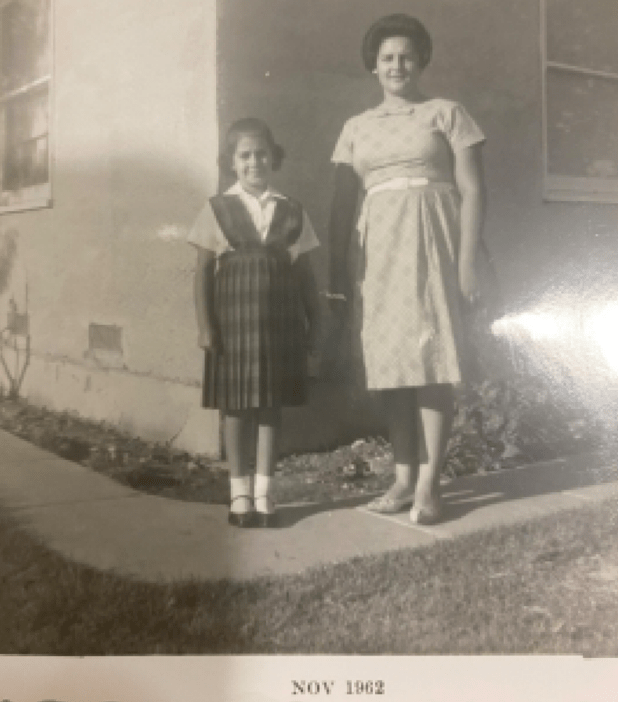
Zelia grew up in a very traditional Portuguese household. They spoke only Portuguese around the house, went to Catholic church every Sunday, and lived on a dairy with other members of the Portuguese community. Festas, a Portuguese and religious celebration often times having food and dancing, was something Zelia always looked forward to. Her family couldn’t drive, so the only festa she could attend was in Tipton. This urged her to get her license as soon as she turned sixteen. After this, she became very sociable and went to other Portuguese celebrations in neighboring towns like Visalia and Tulare, where she fell even more in love with her culture.
When asked about her life, she had many things to say about what she was most proud of accomplishing. She was always involved in the Portuguese celebrations. Her daughter and granddaughters were honored to represent the Tulare Our Lady of Fatima, Tulare Holy Spirit, and Visalia Holy Spirit festas. As someone very proud of her ethnicity and Catholic faith, Zelia feels very blessed and honored to have been able to be a part of celebrations like these.
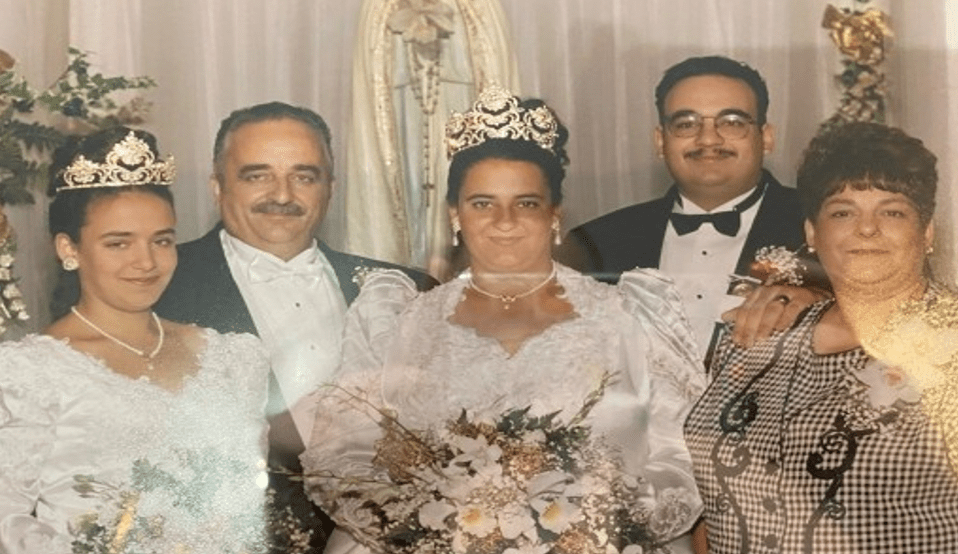
Another accomplishment she holds dear was putting all three of her children through Catholic school. She and her husband, Anthony, didn’t have a very large financial income at the time and could barely afford the cost of tuition, but they were determined that their children would receive a Christ-centered education.
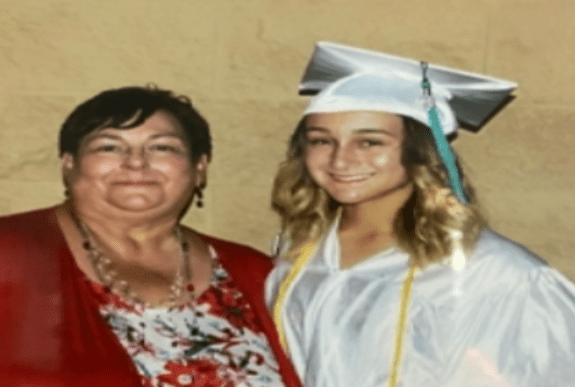
To Zelia, being Portuguese-American is very rewarding. She feels Portuguese people are very proud and are extremely family-oriented. These are qualities that she admires and conveys in her own life. When asked how she views the Portuguese community today, she feels the kids are trying to keep the culture alive. She loves that people are still teaching the language and the folklore dances to students. Zelia stresses the importance of passing down the culture and traditions to the next generation so they do not lose side of where they come from and who they are.
Brianne Azevedo was a Portuguese Language and Culture Class student in the Spring of 2024. This project is part of the Central California Portuguese-American Oral History project at Fresno State. With our students and the Medica Communication and Journalism (MCJ) team, we recorded over 100 oral history interviews–our goal is to reach 200 by the end of the 2028-29 academic year.
 Novidades - The Islands and the Diaspora