

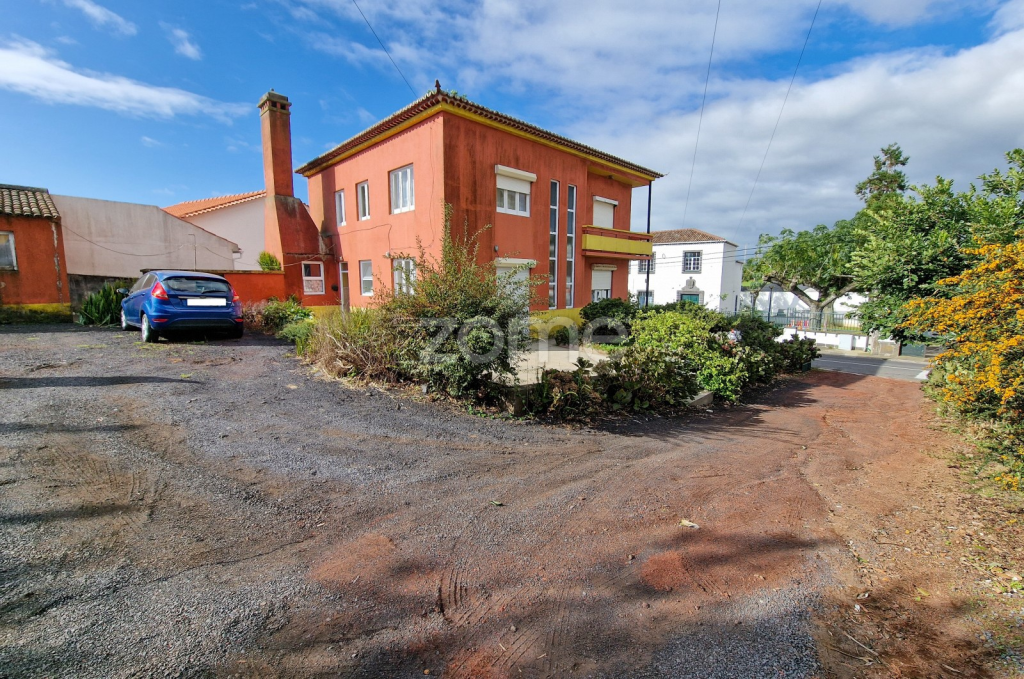
The Portuguese real estate market has shown markedly different trends over the last year, with some regions recording sharp increases in house prices while others have faced significant falls. This analysis is based on the November 2024 housing price report released by Idealista, southern Europe’s leading real estate marketplace.
The data shows that, among the municipalities with the highest annual increases in house prices, Alcoutim, in the Faro district, leads the way with an increase of 54.6%. This is followed by Vila Nova da Barquinha in Santarém, with an increase of 36.5%, and Marco de Canaveses in Porto, with an increase of 34.8%. Other towns that recorded significant growth include Amarante (Porto), with an increase of 32%, and Covilhã (Castelo Branco), with an increase of 29.8%. Also noteworthy were the municipalities of Golegã (Santarém), with an increase of 29%; Valença (Viana do Castelo), with an increase of 28.7%; and Lagoa in São Miguel, with an increase of 28.1%. Finally, Constância (Santarém) and Ribeira Grande (São Miguel) are also at the top, with increases of 27.1% and 26.1% respectively.
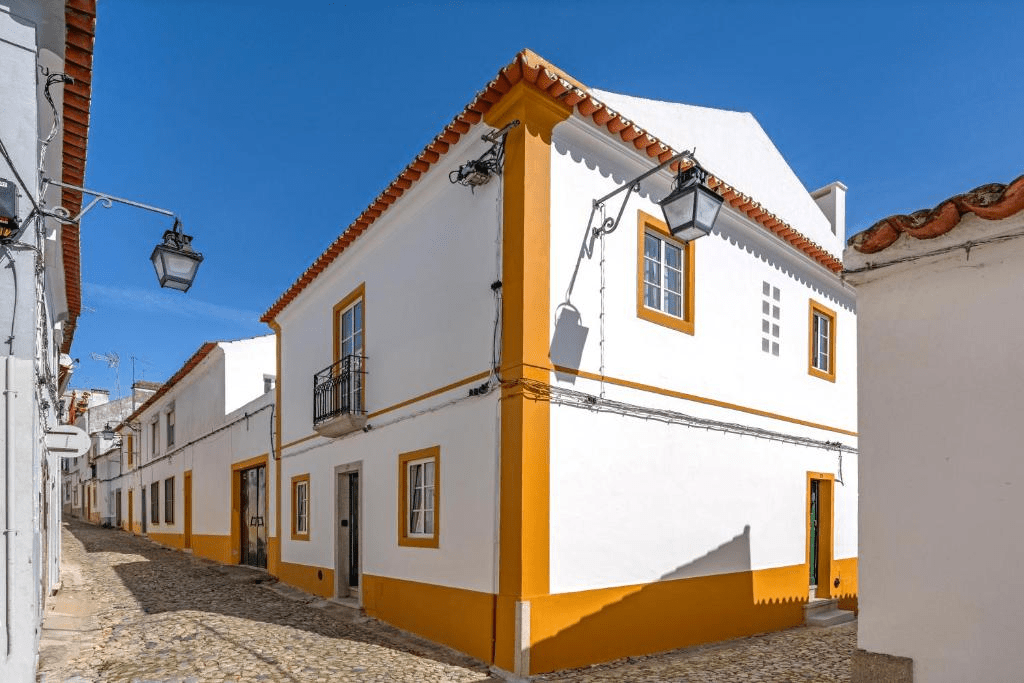
On the other hand, the municipalities with the biggest annual falls in house prices present the opposite scenario. Borba, in the district of Évora, recorded the biggest drop, with a reduction of -29.6%. Next was São João da Pesqueira (Viseu), with a decline of -20.5%, and Mortágua (Viseu), with a decrease of -15.3%. Other significant reductions were seen in Sabugal (Guarda), with -12.2%, and Proença-a-Nova (Castelo Branco), with -12.0%. In the district of Coimbra, Condeixa-a-Nova and Miranda do Corvo recorded decreases of -11.8% and -10.4%, respectively. In Aveiro, Murtosa fell by -10.1%. Finally, the municipalities of Mangualde and Nelas, both in the district of Viseu, recorded falls of -9.7% and -8.2%, respectively. The municipalities with the highest annual increases in house prices include Alcoutim, in the district of Faro, which leads the country with an increase of 54.6%. In Santarém, Vila Nova da Barquinha saw an increase of 36.5%. In the Porto district, Marco de Canaveses rose by 34.8%. In Covilhã, in the Castelo Branco district, prices rose by 29.8%. In Viana do Castelo, Valença saw an increase of 28.7%. On the island of São Miguel, the municipality of Lagoa saw an increase of 28.1%. In Braga, the city of Vizela saw a rise of 24.5%.
In Aveiro, Mealhada saw prices rise by 24%, the same percentage recorded in Avis in the Portalegre district. In the Lisbon district, Arruda dos Vinhos saw an increase of 22.4%, while Ansião, in Leiria, rose by 22.8%. Santa Cruz, in Madeira, recorded an increase of 21.4%, and Penela, in Coimbra, grew by 21.1%. Other highlights include Vila Real, up 19.5%; Mora, in Évora, up 19.3%; and Angra do Heroísmo, in Terceira, up 15.7%.

However, some municipalities saw much smaller increases or even falls in prices. Praia da Vitória, in Terceira, had the lowest annual growth of 13.4%. On the island of São Miguel, Povoação, house prices rose by 10.5%, while Ponta do Sol, in Madeira, grew by 9.1%. In Porto, prices rose by 7.8%. Montalegre, in Vila Real, grew by 5.2%, and Esposende, in Braga, increased by 5.1%. In Portalegre, Nisa saw a rise of 4.6%. Alcanena, in Santarém, rose by just 1.5%, and Alenquer, in Lisbon, saw prices remain stable (0.3%). As did Aljustrel, in Beja (-0.1%).
In Aljezur and Faro, house prices fell by 3%. In Alcácer do Sal, in Setúbal, it fell by 4.1%. In São Roque do Pico, house prices fell by 4.2%, as did Ponte da Barca, in Viana do Castelo, by 4.2%. Torre de Moncorvo, in Bragança, fell by 7.1% and Óbidos, in Leiria, by 7.8%. Murtosa, in Aveiro, fell by 10.1%, while Condeixa-a-Nova, in Coimbra, fell by 11.8%. In the Castelo Branco district, Proença-a-Nova saw a drop of 12%, Sabugal, in Guarda, 12.2%, and São João da Pesqueira, in Viseu, saw a significant reduction of 20.5%. Borba, in Évora, leads the national decline with a drop of 29.6%.
In Correio dos Açores-Natalino Viveiros, director
Translated to English as a community outreach program from the Portuguese Beyond Borders Institute (PBBI) and the Modern and Classical Languages and Literatures Department (MCLL) as part of Bruma Publication and ADMA (Azores-Diaspora Media Alliance) at California State University, Fresno, PBBI thanks Luso Financial for sponsoring NOVIDADES.

 Novidades - The Islands and the Diaspora