

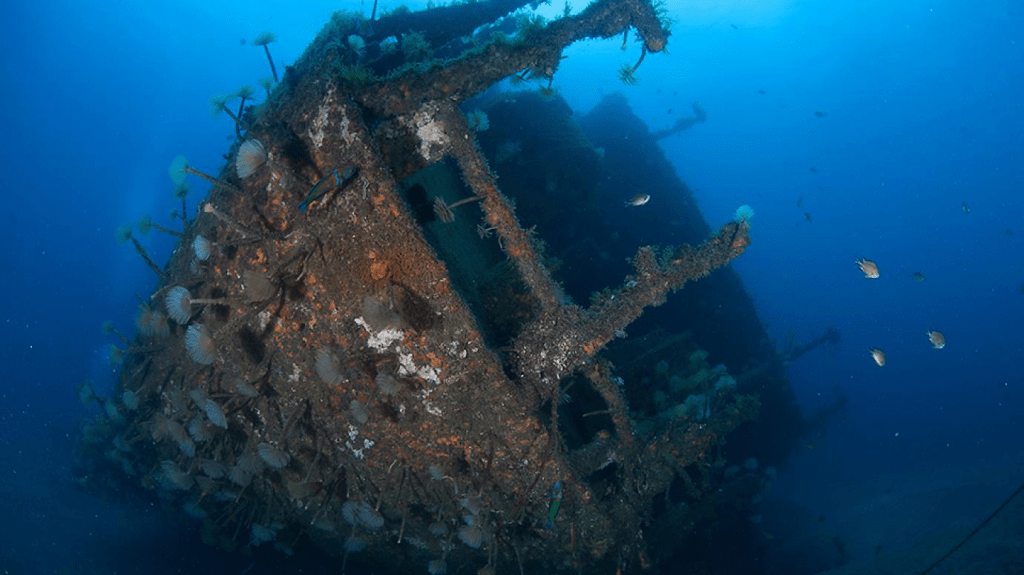
More than 100 shipwrecks with valuable cargo lie in the Azores, and 46 are in the waters around Terceira island, according to the map drawn by underwater archaeologist Alexandre Monteiro, who surveyed the whole country.
In all, Portugal has around 250 shipwrecks with treasures on board, according to the map drawn up by a researcher from the History, Territories, and Communities Institute at the New University of Lisbon, who has been studying underwater finds for almost 25 years.
Alexandre Monteiro identified 8620 shipwrecks throughout the country, 7500 on the mainland coast, 1000 in the Azores and 120 in Madeira.
Speaking to DI (Diário Insular newspaper) yesterday, Alexandre Monteiro gave the figures for ships with valuable cargo in the Azores. In Terceira, where the bay of Angra was a resting place for ships and caravels, there were 46 ships. In São Miguel, there are 14 and 12 in Faial. Eleven are “lost” between the islands, and 6 near Santa Maria. There are 4 in the sea around Flores and another 4 in São Jorge, as well as 3 in Corvo and 2 in Pico, plus 1 in Graciosa.
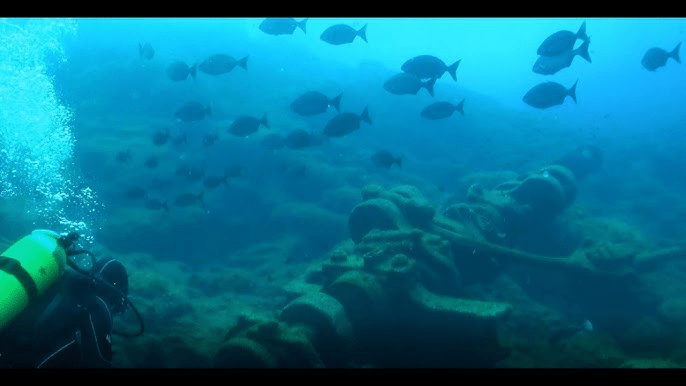
The riches will mainly be gold, silver, and Chinese porcelain, which are most interesting to treasure hunters. The archipelago is free and should remain so.
In the 1990s, this danger arose, but Alexandre Monteiro, along with José Olívio Rocha, from the Angra Museum and, on an official level, the regional directorate for Culture, made efforts to stop legislation that could allow treasure hunting companies to operate. However, from 1996 to 2013, the researcher recalls that these hunters dived in places like Cape Verde and Mozambique, removing valuable cargo from shipwrecks, gold and silver sold to collectors and even museums. Alexandre Monteiro believes it would be difficult for treasure hunters to operate without detection.
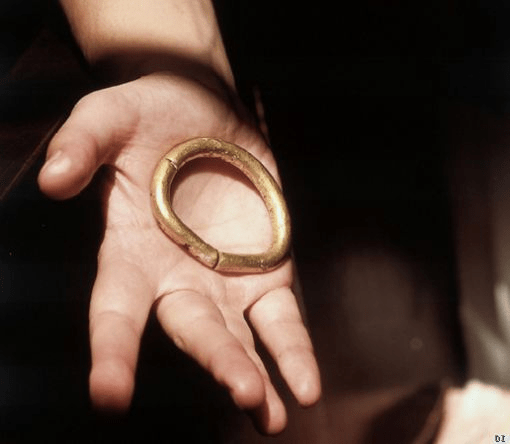
The ships with precious cargo that sank in the Azorean archipelago may not be as far away as you might think. Alexandre Monteiro explains that there is, for example, documentation on the sinking of a Spanish ship with this type of cargo between São Mateus and Monte Brasil. It wasn’t more than 30 meters deep, as the reports said that the masts were left out of the waves after the ship was sunk by artillery fire from English privateers.
Alexandre Monteiro believes that all this history and wealth represents tourist and scientific potential for the Azores, but he remains cautious about the approach. “The Azores are leaders in underwater archaeology in Portugal and should continue to do archaeology as a science and not go looking for treasure ships,” he says. He stresses that if one of these ships is found, it will be the first to be scientifically excavated in the world. “Treasure and pirates have always fascinated the general public. It has the potential to attract media and scientific attention,” he stresses.
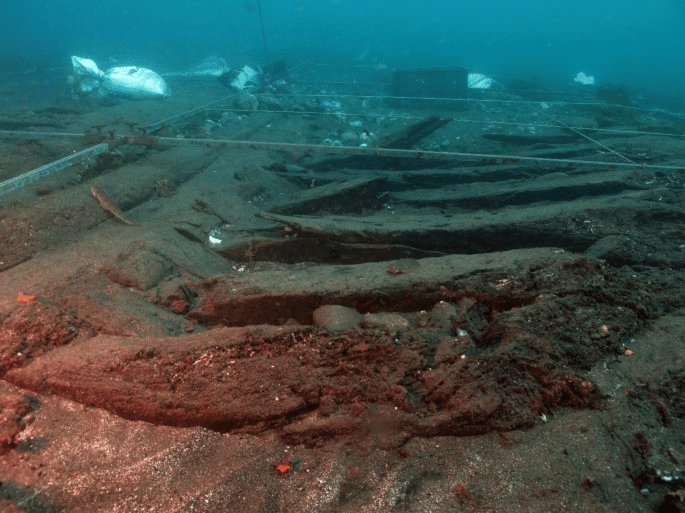
The treasures will belong to the region, the country, and, he points out, to humanity itself. “Their material value will incorporate the nation’s wealth,” he summarizes. The archaeologist does warn about the work being done on the seafront. “We need to be careful with these interventions,” he says. You never know what treasures the sea has to offer.
In Diário Insular, José Lourenço-director

 Novidades - The Islands and the Diaspora