

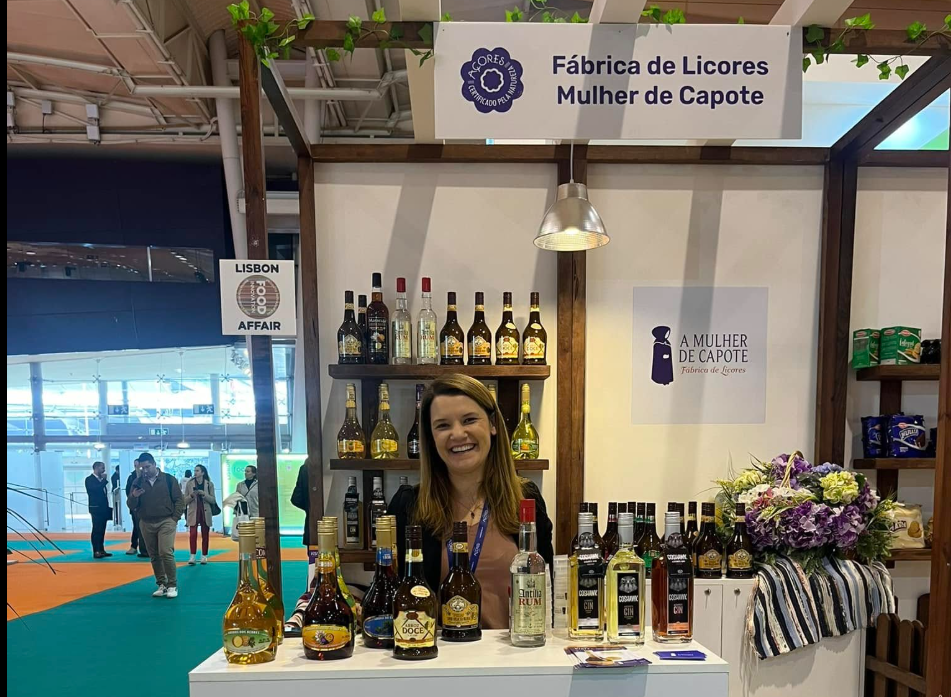
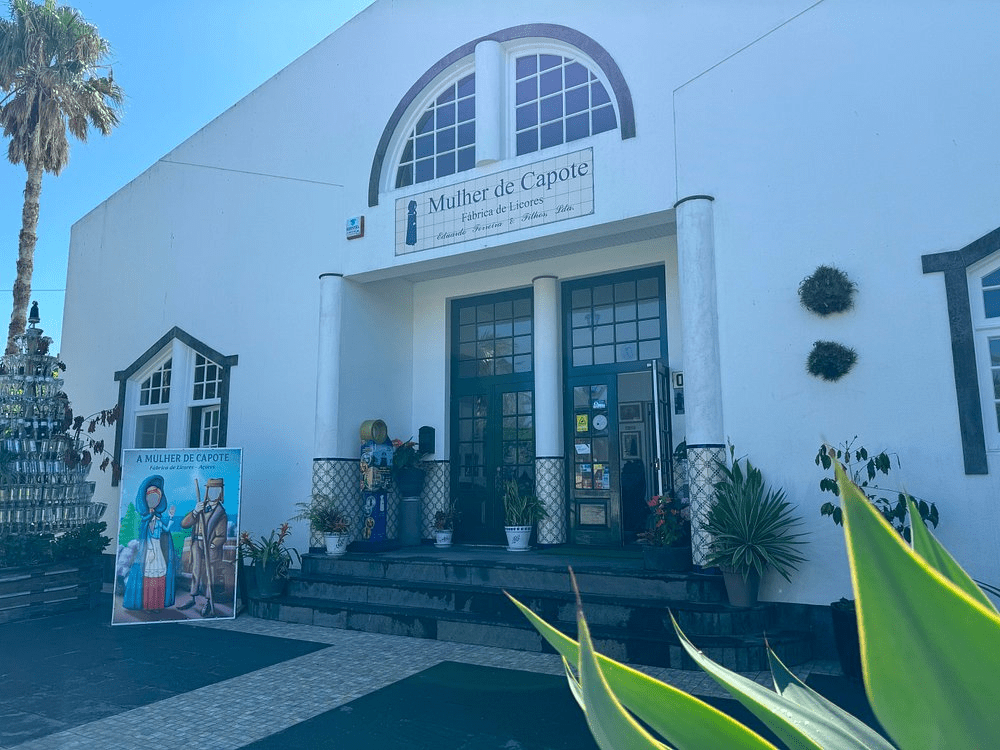
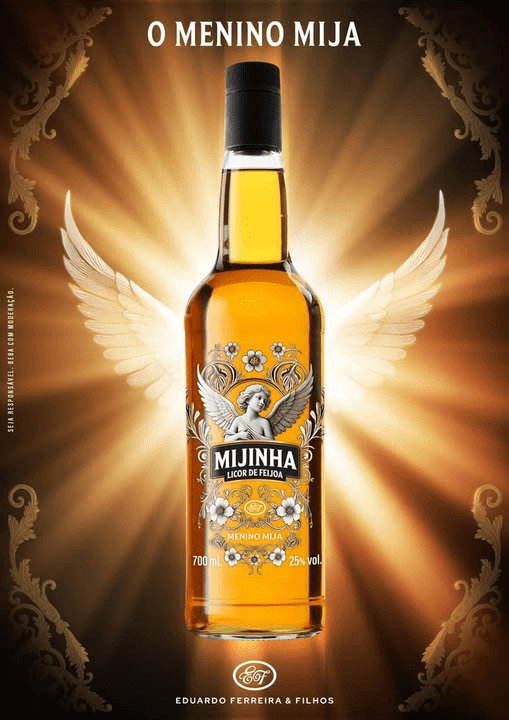
In the world of liqueurs, Fábrica de Licores Eduardo Ferreira & Filhos stands out for its preservation of tradition combined with constant innovation. This is guaranteed by Carolina Ferreira, who represents the second generation of the family at the head of the company. Founded in 1993 by her parents, the factory began with the emblematic “Mulher do Capote” Passion Fruit Liqueur and has since expanded with a diverse range of products. In an interview with Correio dos Açores, Carolina Ferreira talks about the evolution of the factory, the challenges of a family business in a regional context, and the commitment to new products to win over different audiences. This Christmas, the company launched three new products: Creme de Limão, Creme de Brigadeiro, and Mijinha do Menino Mija. “We’re always observing and thinking about what we can do better,” says Carolina, reinforcing the company’s dedication to quality.

Correio dos Açores – How has Fábrica de Licores Eduardo Ferreira & Filhos evolved?
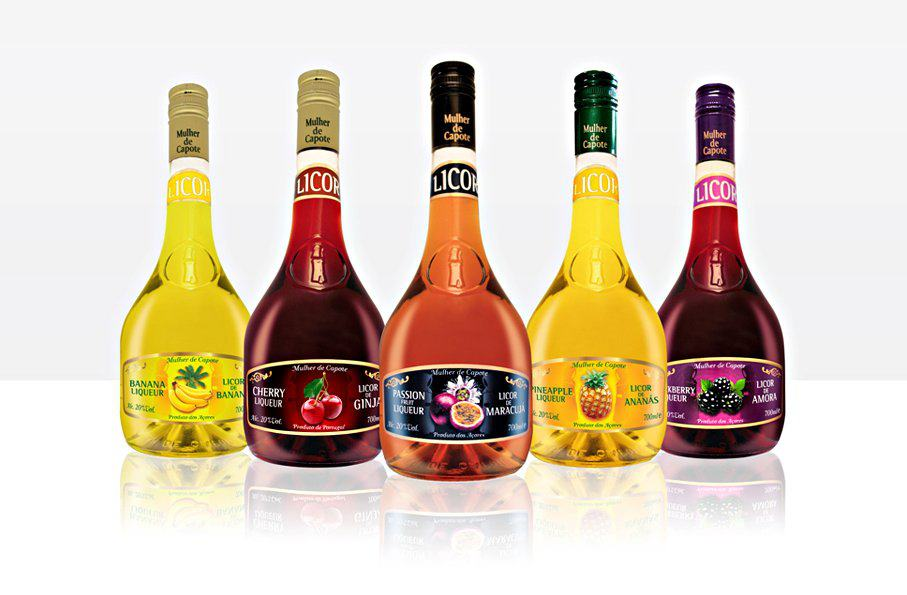
Carolina Ferreira (Partner of Fábrica de Licores – Eduardo Ferreira) – Fábrica de Licores Eduardo Ferreira e Filhos, Limitada was founded in 1993 by my parents, with the brand Mulher do Capote. With this brand, we launched Mulher do Capote Passion Fruit Liqueur. We later expanded production to include other liqueurs. We pioneered developing liqueurs with different flavors, such as Pineapple, Banana, and Tangerine Liqueur.
About 25 years ago, we acquired the Ezequiel brand. We currently work with the Mulher do Capote and Ezequiel Moreira da Silva brands, as well as other brands we own, such as Goshawk, Queen of the Island, and Antília Rum, currently our star product. We also produce White Blend and Yellow Blend.
We are a family business comprising my parents and five children, three directly involved in the company. We also have the invaluable support of two sisters, who are fundamental in motivating and supporting us. We already have the third generation working with us.
How many types of liqueurs do you currently produce?
We produce traditional fruit liqueurs, such as Passion Fruit, Orange, Banana, Blackberry and Tangerine. We also have a range of creams made with cream from the Azores. The most classic is Natas Queen of the Islands, a cream equivalent to a whisky liqueur. We have also developed other versions with different flavors, such as Caramel, Cappuccino, Chocolate, Mint, Passion Fruit, Pineapple, and Coconut.
For the Christmas season, we recently launched lemon cream, which is simply wonderful and super fresh, and brigadiero cream, inspired by the traditional chocolate sweet.
In the gin category, we have the more classic gin, to which we have added a touch of sea flavor, using typical Azorean botanicals such as Galician lemon peel and the ice plant. We have also developed gins with passion fruit, tangerine, pineapple, and blackberry flavors.
We also produce rum, one of our star products, especially for export. Today, Rum dos Açores is almost our most exported product. We offer Rum Antília and will soon be launching an aged version.
We also have normal and aged brandies, some up to 20 years old. We have Passion Fruit, Blackberry, and the simple classic in the brandy range. We also offer Aniseed Liqueur, which is a typical Christmas product.
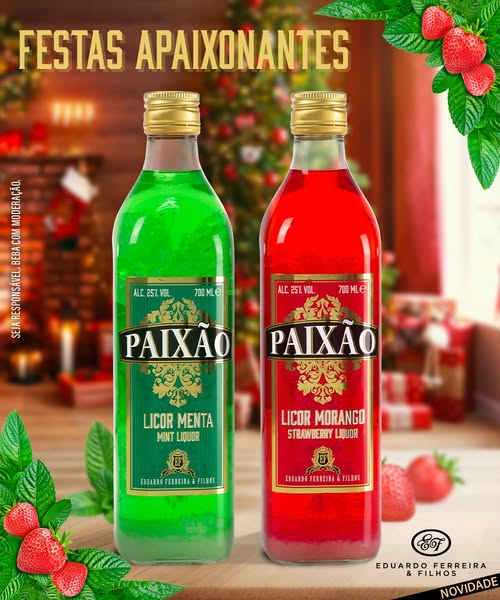
This year, we introduced three new products: Lemon Cream, Brigadeiro Cream, and Mijinha do Menino Mija.
What are the best-selling products?
It depends on the season, but we have one standout product: Rum. This has been a real success for us in terms of sales.
However, we face one difficulty: we can’t get enough raw materials to produce more rum. This limitation occurs because, in the region, there are not the same incentives or support for growing sugar cane as there are, for example, in Madeira or other outermost areas of the European Union. In other words, the Azores do not benefit from this type of support. This makes growing sugar cane less attractive to farmers, which is a problem because if we had more raw material, we could produce and sell much more rum.
Moreover, passion fruit liqueur continues to be an ex-libris of the Azores. During the Christmas season, we saw a significant increase in demand for Licor de Anis, a typical Christmas liqueur, and Mijinha do Menino Mija, which sold out shortly after its launch.
How do you maintain the tradition of producing liqueurs? Have there been recipes handed down through the generations?
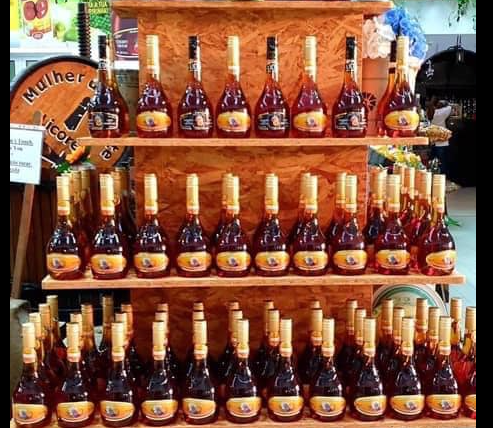
Of course, there are. The recipe for Ezequiel’s Passion Fruit Liqueur has been the same since 1936; in other words, we keep the original recipe, preserving all the details. With the creation, innovation, and development of new liqueurs, we always try to respect tradition.
What does tradition mean to us? It means, above all, maintaining quality, using regional products, and valuing our local resources. This is something we consider absolutely essential. We work with an uncompromising focus on quality. We don’t want to be just another brand on the market; we want to be the reference brand.
We strive to create products of excellence that can mark special moments. We intend every moment you open a bottle to be unique, an instant of sharing and celebration, never of division.
What is your target audience? Do you export a lot to domestic and foreign markets?
We have a wide range of products, so we can reach different audiences. The nostalgia market Mercado da Saudade (which refers to the Azorean Diaspora) is extremely important to us. Let’s think about the nostalgia market purely and simply, i.e., those people who were born in the Azores and emigrated to the United States. We’re always talking about Passion Fruit Liqueur and Aniseed Liqueur, which are products that really touch their hearts.
However, we’re trying to reach a little beyond that market, in other words, to get their children, who have a weaker connection to the Azores but whom we want to win over in some way. To do this, we’ve started creating other products, such as flavored gins, liqueurs, and brandies, already attracting customers.
Rum, for example, is aimed at a totally different audience from the nostalgia market or people who drink liqueurs. Gins also reach another type of person. In fact, we have a specific target for each liqueur, and we try to get as many people as possible.
The regional market is extremely important to us, and the development of our products focuses a lot on this market. That’s why we promote the Menino Mija tradition a lot. Azoreans already know that we launch a new liqueur to share at the Christmas table and make Menino Mija with one of our liqueurs every year. We launched three new products this year, while last year, we launched four. In other words, we’re always creating new things to foster this culture.
The national market also plays a big part, with rum playing a fantastic role. The increased tourism has also greatly helped, especially in taking our products abroad. Often, “word of mouth” is a thousand times better than any marketing campaign we can do. After all, we’re a small company and don’t have the capacity for big advertising campaigns like the big brands.
Even so, we managed to win over the tourists who visited our factory. We keep the doors open for tourists and Azoreans who want to visit us. People can see how we produce our liqueurs and, ultimately, offer a free tasting of our products.
You mentioned earlier that there aren’t many incentives for growing sugar cane for rum in the Azores. Apart from that, what other challenges do you currently face in the industry?
This is not the time to talk about difficulties, we want a time for consumption, sharing and having fun. However, we are still an outermost region. In other words, we have daily challenges, from the arrival of cardboard bottles of articles that we don’t have in the area and that we don’t produce, the lack of manpower for us is also a reality in all sectors, agriculture has shown problems, especially in the sugar cane crop, which we needed more raw material to be able to produce more, but I think that at this time of yea,r we really have to focus on the good things and on sharing.
What are your plans for the future?
We’re developing new products; that’s part of our DNA. We already have one or two more products in mind to launch soon. We always try to create something new, something different. And I think that’s really part of our corporate culture.
We always observe and think about what we can and can do better. And I think we’ve achieved that, and that’s what we want for the future.
Filipe Torres is a journalist for the Correio dos Açores newspaper-Natalino Viveiros, director.
This is a milestone for Novidades (the islands and the diaspora), as on the last day of 2024, and in less than one year and a half, we put forth 1000 stories, in translation, or originally, from the Azores and the Diaspora. One thousand stories that we believe serve as a bridge between the Azores and the Diaspora, bringing awareness of the reality of the islands to the second, third, fourth, and now fifth generations of Americans with Azorean and Madeiran ancestry who don’t read Portuguese and are interested in the land of their forefathers. We began this service on July 7th, 2023. Thanks to all who are loyal readers, those who have spread the word, and to Luso-American Financial for being such a great supporter.
Translated to English as a community outreach program from the Portuguese Beyond Borders Institute (PBBI) and the Modern and Classical Languages and Literatures Department (MCLL) as part of Bruma Publication and ADMA (Azores-Diaspora Media Alliance) at California State University, Fresno, PBBI thanks Luso Financial for sponsoring NOVIDADES.

 Novidades - The Islands and the Diaspora