


In the Azores, Autonomy Day has been a regional holiday since 1980. It purposely coincides with the Monday of the Holy Spirit because this motto has united the Azorean populations since their settlement. (1)
In Madeira, July 1 was made a regional holiday in 1979 because it was the date of the island’s discovery. Still, the Day of the Region was not expressly instituted, only its assumption of being a holiday. (2) It was only in 1989 that the Day of the Region was created. (3) In other words, while in the Azores, the regional law determined the two institutes, the Day of the Region and the holiday, Madeira, very different, created the holiday in 1979 and only a decade later created the Day of the Region.
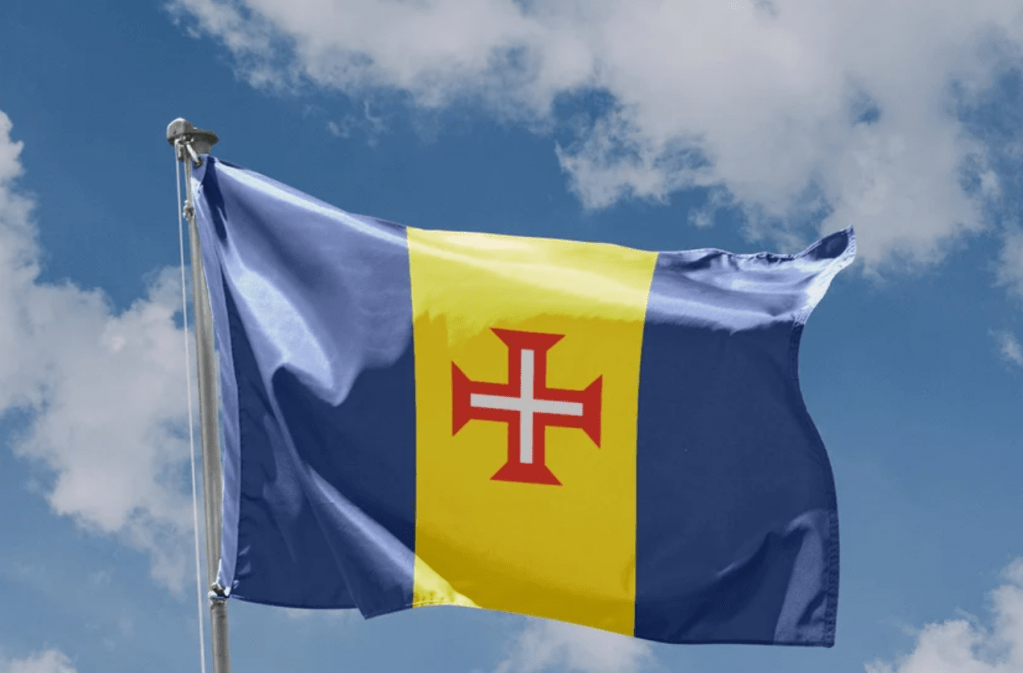
But now, through a regional law of December 16 (4), Madeira’s autonomy day, a regional holiday, is now April 2, because it was the date in 1976 when the Constitution was approved. And this legislative act is strange.
In Madeira’s first law, it made sense to enshrine July 1st: its discovery is historically significant. Since Madeira did not have, and still does not have, a cultural and social reality as strong as that of the Azores, which is, in fact, a living deposit of Portuguese culture dating back to the 13th century (specifically to 1217 in the early days of the Holy Spirit), it made perfect sense for Madeira to choose a relevant fact: precisely the discovery of the island that has that initial imaginary of the creation of the idiosyncrasy of the Madeiran populations.
Now, choosing the day the Constitution was approved is a colossal mistake: the value of the Constitution is not only in its approval, which would also make sense when the Constituent Assembly was elected or took office; it is above all in the day it comes into force, which deliberately coincides with April 25th. The constituent deputies decided to approve the Constitution on April 2, and it was published on April 10. Still, they planned for it to come into force on April 25 due to the Carnation Revolution that had brought them there. (5) In other words, the Madeiran Parliament chose the worst possible date because it does not respect the true work of art that was the birth of the Constitution, which only then when it actually came into force, became the fundamental text of the democratic country and which allowed for Madeira’s first democratic and regional elections.
Back in 1979, Madeira didn’t choose November 1st, the date of the discovery of the island of Porto Santo, because there was a national holiday then. Perhaps they haven’t chosen April 25, the date the Constitution came into force, also because it is already a national holiday. However, selecting the date of the approval of the constitutional text over the date of the discovery of Madeira is incomprehensible. The constitution of the 1976 Constitution is very important for autonomous regions: it was during the 8th Constituent Commission that the ideals and constituent elements of the future autonomous regions were created. And that fact is very significant. But not as substantial as the actual creation on April 25, 1976. Or as important as the date of the establishment of the 1st Regional Assembly with its first parliament with the capacity to create laws through deputies elected by the island populations, the date of the 1st regional elections, or the 1st inauguration of the 1st autonomous government, or the date of the 1st regional law of autonomous origin. In short, there are many more important dates than April 2nd.
For all the above reasons, it is hoped that this issue in Madeira is not definitively resolved. The example of the Azores should serve as inspiration; the Madeirans have emblematic dates in their collective life, and April 2 is not one of them.
(1) Regional Decree 13/1980/A, of August 21: “Sole Article. 1 – Monday of the Holy Spirit shall be considered the Day of the Autonomous Region of the Azores. 2 – The day referred to in the previous paragraph shall be a regional holiday.”
(2). Regional Decree 27/1989/M, of November 9th.
(3) Regional Legislative Decree 1/1989/M, of February 2.
(4) Regional Legislative Decree 17/2024/M, of December 16.
(5) Article 312, no. 3 of the original text: “The Constitution of the Portuguese Republic comes into force on April 25, 1976.”
Arnaldo Ourique holds a doctorate, is a constitutional law specialist, and has done extensive research on European Regions, especially the Azorean and Madeiran Autonomies.
NOVIDADES will feature occasional opinion pieces from various leading thinkers and writers from the Azores to give the diaspora and those interested in the current Azores a sense of the significant opinions on some of the archipelago’s issues.
Translated to English as a community outreach program from the Portuguese Beyond Borders Institute (PBBI) and the Modern and Classical Languages and Literatures Department (MCLL)
 Novidades - The Islands and the Diaspora