

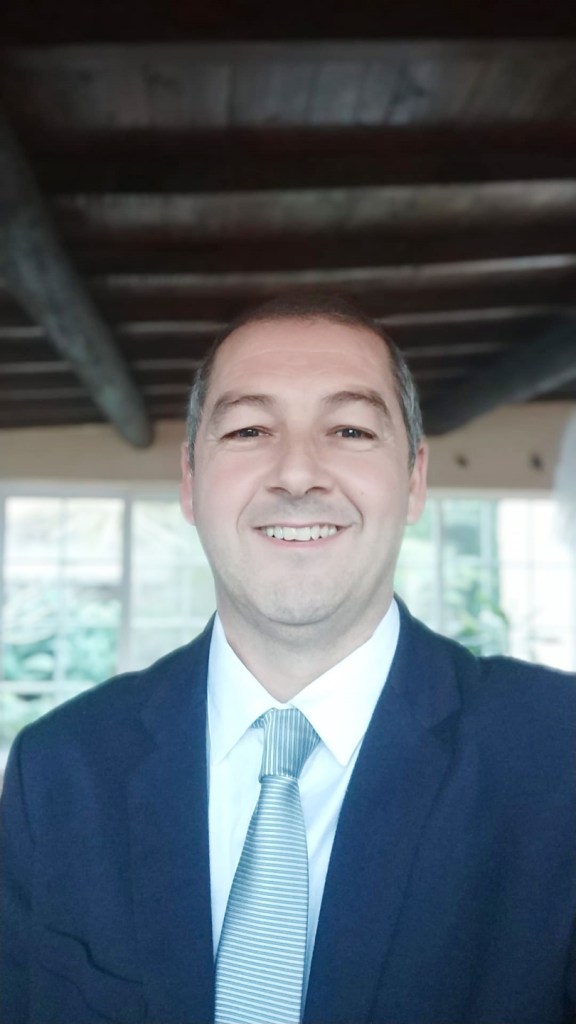
Pedro Fins, regional director for Preventing and Combating Addictions, warns of the serious consequences of the misuse of psychotropic drugs and narcotics, especially among vulnerable populations such as young people and people with mental health problems. In an interview with Correio dos Açores, the regional director for Preventing and Combating Addictions points out that early consumption and self-medication increase the risk of social isolation, family conflicts, and risky behavior. The growing prescription of opioids in the region is also worrying. The legislation aims to guarantee strict control of these substances, with detailed monitoring of prescriptions to prevent abuse and detours. In addition, the Regional Health Directorate has intensified awareness-raising and training activities for health professionals and pharmacies, promoting health literacy and ensuring that users understand the risks.
Correio dos Açores – What impact can the misuse of psychotropic drugs and narcotics have on vulnerable populations in the Azores, such as young people or people with mental health problems?
Pedro Fins (Regional Director for Preventing and Combating Addiction) – It is well known that the misuse and abuse of psychotropic and narcotic drugs can have serious consequences for the general population and even more so for vulnerable people. Among the main problems, prolonged or inappropriate use of these drugs can cause alterations in the central nervous system, aggravating anxiety, depression, and other known mental disorders. In young people, early use can interfere with brain development, increasing the risk of drug addiction and damaging their emotional and cognitive development.
Self-medication or even recreational use of psychotropic drugs and narcotics significantly increases the risk of addiction and also hinders future therapeutic interventions resulting from such consumption. In people with mental health problems, addiction can exacerbate existing symptoms, making recovery and available treatments more difficult.
Misuse can also lead to social isolation, making it difficult for the individual to integrate into the community and increasing social vulnerability. This stigmatization associated with substance use is known to inhibit young people from seeking help, adding to the problem.
It has also been observed that young people in situations of misuse often face family conflicts, dropping out of school, and increased exposure to risky behavior, such as deviant behavior and aggression.
Finally, the consequence of this misuse is that users also demand greater hospital services, health programs, and social support.

There has been an increase in the prescription of opioid medication in the region. Is there any specific concern on the part of the Regional Directorate for Preventing and Combating Addictions regarding the use, abuse, or detours of these drugs? What mechanisms currently exist to monitor and prevent detours or illegal sales?
*Yes, there is growing concern about the use, abuse, and detours of opioid drugs in the region, given their addictive nature and the potential risks associated with inappropriate consumption. Ordinance 128/2015 establishes a strict legal framework for the prescription and dispensation of narcotic and psychotropic drugs, intending to ensure controlled and traceable use of these drugs. In terms of monitoring mechanisms, the legislation makes it compulsory to record detailed data on dispensation in computerized form, including:
*Identification of the user or legal representative;
*Number and details of the prescription;
*Identification of the pharmacy and the medicine, including the quantity dispensed;
*Date of dispensation.
Pharmacies must keep manual and electronic prescriptions on file for three years, ensuring traceability and facilitating future audits. The Regional Health Directorate (DRS) plays a crucial role in analyzing abnormal individual consumption, using data provided by the Medicines Conference Center (SPMS) since it has information limited to manual prescriptions. Based on this analysis, suspicious situations can be referred to the Professional Associations or to the police authorities (in the case of deviations or illegal sales), as well as in the application of administrative offenses against pharmacies in situations of irregularities.
Although there is still no concrete data to compare significant increases in opioid consumption in the region, the DRS is keeping an active eye on the issue. Collaboration with entities such as pharmacies, health professionals, and regulatory bodies is essential to implementing preventive measures and ensuring the proper use of these drugs.
In addition, it is a concern of the Regional Directorate for Preventing and Combating Addictions (DRPCD) to work in conjunction with other entities to promote health literacy and make the population aware of the risks of inappropriate use of opioids. Raising awareness among health professionals is also a priority to ensure responsible prescriptions, minimizing the risks of addiction and abuse. To tackle the problem effectively, it is essential to strengthen monitoring systems, improve access to real-time data, and expand educational and prevention programs aimed at professionals and the general population.
Do you believe that intensifying control measures or reorganizing the distribution of these drugs is justified, considering the local challenges?
The need to fine-tune procedures to take account of local idiosyncrasies is common to many aspects of public administration. The challenge is not to lose the advantage that the homogenization of these same procedures brings. The truth is that, in this case, we can start from the constraints identified locally, create mechanisms for adapting procedures, intervene directly in unwanted phenomena, and use this intervention to define management models for the entire regional and national territory. It is important to pay attention to the efficiency of the adaptations and avoid giving in to alarmist immediacy.
Has your office detected situations of over-prescription of medicines for patients?
We confirm that situations of over-prescription of medicines to users have been detected. These situations have been duly flagged up and referred to the Regional Health Directorate, which, as the executive body responsible, controls and monitors all activity related to medicines in the Autonomous Region of the Azores.
Monitoring and informing patients is crucial to the success of treatment with psychotropic drugs and narcotics. How can health services in the Azores improve patient follow-up and ensure patients understand the importance of responsibly using these drugs?
The rules are clearly defined, and all health professionals in the regional health system have excellent basic and continuous training, giving them in-depth knowledge of their medicines. Although users play an important role in the responsible use of the drugs they are prescribed, it is important to recognize that not everyone has the same level of health literacy nor the ability to fully understand the risks associated with the inappropriate use of certain medicines.
Therefore, it is essential that health professionals provide clear and accessible information at the time of prescribing and that pharmacies reinforce this guidance during dispensing. In addition, it is essential to promote continuous education and awareness-raising efforts to ensure that users can identify potential risks and use medicines safely.
In this sense, pharmacies have a fundamental responsibility, right after the user, to ensure that medicines are used correctly. Although pharmacies have already adopted careful practices, there is always room for improvement to provide a more homogeneous process and reduce the possibility of misuse. This is an ongoing, collaborative effort between the Regional Health Directorate and the Regional Pharmacy Commission to improve health outcomes and minimize risks.
What are the main strategies that the Regional Directorate for Preventing and Combating Addictions could adopt to improve the management of the prescription and use of these drugs in the region?
Implementing educational programs aimed at young people and families that address the risks associated with the inappropriate use of medicines is essential. Promoting health literacy plays a crucial role in enabling the population to understand the dangers related to the use and abuse of these medicines.
At the same time, it is essential to ensure that people with mental illnesses have easy access to integrated treatments that not only promote their recovery, but also prevent the misuse of medicines.
In addition, working with the community is indispensable in combating the stigma associated with drug addiction, which often emerges at an advanced stage with maladaptive behavior. As a society, we cannot ignore these situations, which are usually characterized by diseases present all around us. Exclusionary behavior and prejudice only reinforce barriers to access to rights and opportunities, further aggravating these individuals’ vulnerability conditions. We must promote an approach of inclusion and support to facilitate the reintegration and recovery of these people.
Filipe Torres is a journalist for Correio dos Açores-Natalino Viveiros, director
*- Response based on data provided by the Regional Health Directorate.
Translated to English as a community outreach program from the Portuguese Beyond Borders Institute (PBBI) and the Modern and Classical Languages and Literatures Department (MCLL) as part of Bruma Publication and ADMA (Azores-Diaspora Media Alliance) at California State University, Fresno, PBBI thanks Luso Financial for sponsoring NOVIDADES.

 Novidades - The Islands and the Diaspora