

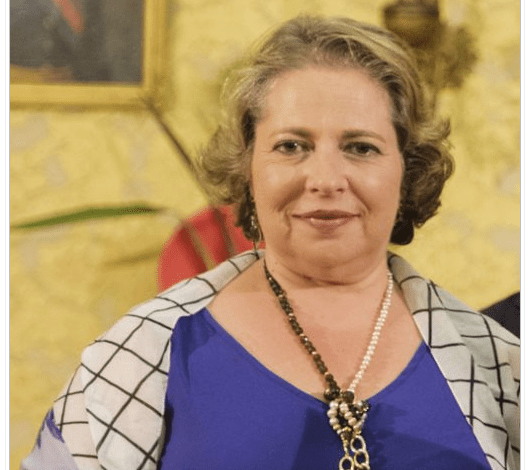
Angra do Heroísmo City Council recently presented the municipality’s Social Charter for 2024-2028. How important is this document in defining the municipality’s policies and alerting other entities?
The Social Charter is an essential tool for defining municipal policies. By working with various public, private, and social sector institutions, it was possible to identify the real needs of the population and the priority areas for social intervention. This document not only guides the city council in allocating resources and implementing strategies but will also guide other entities in the municipality in their social and community action, promoting inter-institutional collaboration to respond to the needs identified. This instrument establishes a comprehensive diagnosis, allowing entities with competencies in the social area to define investment priorities and develop strategies to solve structural problems. It contributes to creating conditions that ensure a dignified life for all citizens, promoting inclusion, equity, and well-being. This work is crucial to making a difference in people’s daily lives, ensuring that resources are used effectively and for the benefit of those who need them most.
Above all, there was a need to increase the number of places in social services for the elderly. What can the municipality do in this area?
Over the last few years, the municipality has played a central role in improving social services for the elderly through different intervention strategies that it intends to maintain, namely improving and reinforcing infrastructures and supporting the construction or expansion of community centers and daycare centers. At the same time, it supports purchasing equipment for the normal running of institutions. This intervention can be done directly or in partnership with Private Social Solidarity Institutions (IPSS). Supporting the co-financing of projects and helping with applications for national and European funds, helping to increase the installed capacity of facilities for the elderly. Promoting home support programs and reinforcing services that allow the elderly to remain in their homes with quality of life, such as home care, providing meals, and home health care. Involving the community in encouraging volunteering and awareness programs that stimulate community participation in supporting the elderly, especially the most isolated, and promoting active aging, boosting initiatives that promote the autonomy and physical and psychological well-being of the elderly, integrating them into cultural, sporting, and social activities. The prospect of decentralizing support services for the elderly in the more rural parishes is a priority. Creating smaller structures in these locations, such as social and daycare centers or small homes, thus avoids travel and ensures that the elderly remain in their usual environment, close to their support networks.
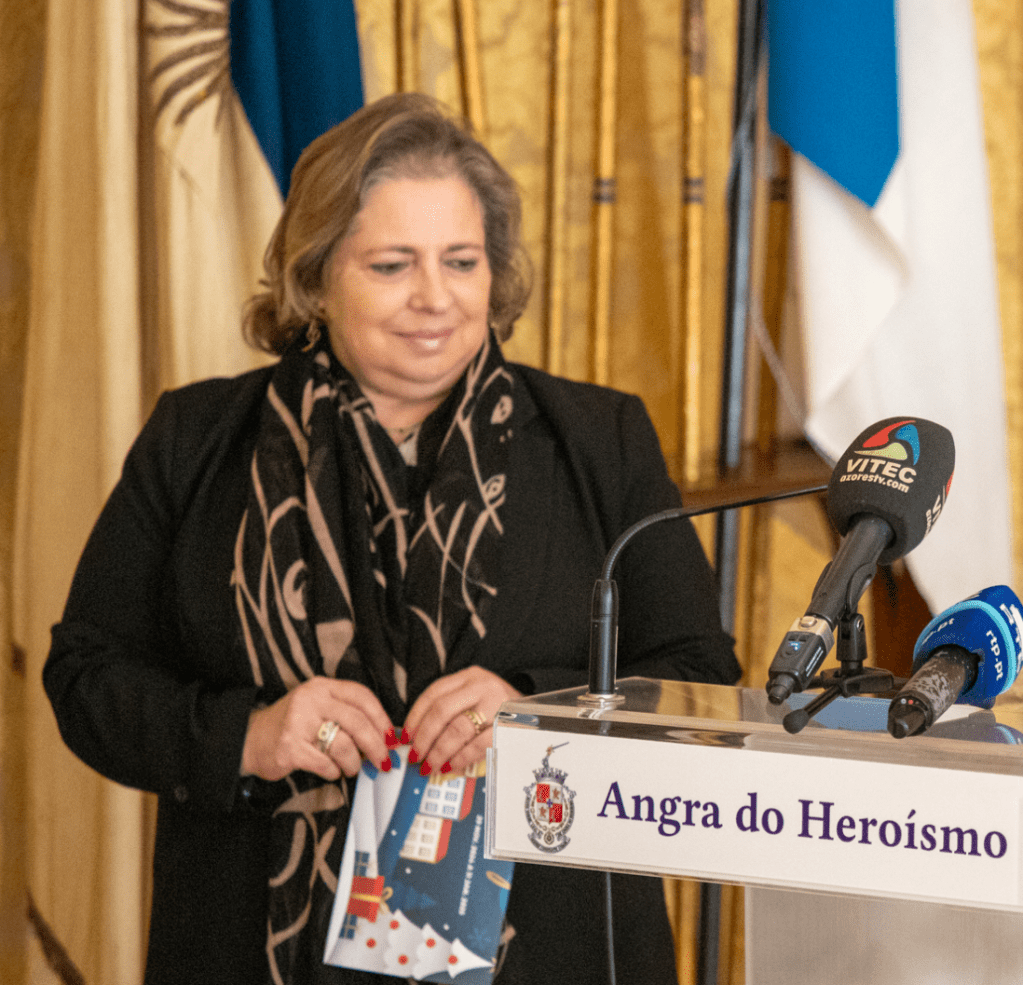
According to the latest Census, the Social Charter identified an aging population in the municipality, with a 20% increase in the number of people over 65 and a similar decrease among those under 18. Are these figures of concern to the municipality? How do you combat this phenomenon?
The figures are indeed worrying because they reflect not only the aging of the population but also a decrease in demographic dynamism. This phenomenon poses significant challenges, such as increased demand for social and health services for the elderly and a lower capacity for population renewal. To face this reality, the municipality has invested in various public policies, starting with birth incentives, such as AMA Angra, which supports families during pregnancy and the postpartum period, and other financial or logistical support that promotes children’s birth. Moving on to housing and employment through investments in affordable housing, property renovation programs, and incentives for entrepreneurship, such as the support provided by StartUp Angra. The strategy of cultural and social dynamization is creating artistic and sporting spaces and events that attract and retain young people and families in the municipality. In addition, it is crucial to develop specific strategies for rural parishes, such as strengthening social services and improving services and transportation, preventing desertification, and making these areas more attractive to families.
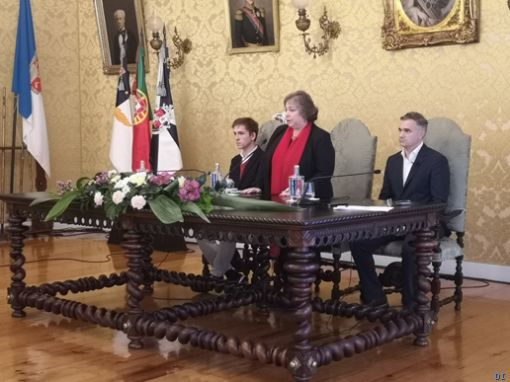
Most municipal social services are concentrated in the parishes closest to the city. Should we strengthen social services in the rural parishes to avoid a sharp reduction in the number of inhabitants in these areas?
Absolutely. Reinforcing social services in rural parishes is essential to combat desertification and improve the quality of life of the populations furthest from the center. The Social Charter reveals significant variations in the population over 65 between 2011 and 2021 in parishes such as Cinco Ribeiras (+58.2%), Feteira (+44.1%), Porto Judeu (+40.4%) and Terra Chã (+54.5%). On the other hand, parishes such as Doze Ribeiras and Raminho recorded significant falls in the number of young people, with reductions of over 30%. Given this scenario, the municipality should prioritize the decentralization of services by constructing social facilities, such as day centers or multifunctional spaces in rural parishes, adapted to the needs of the local population. Promote mobile home care and health services, ensuring all residents can access essential care. Strengthening the connection between rural parishes and urban areas facilitates access to services and promotes mobility. Finally, regarding local employment, investing in projects that create jobs in rural parishes boosts the local economy and encourages families to stay. These investments promote territorial cohesion, ensuring the right to a dignified life for all the municipality’s inhabitants and helping to halt demographic decline, guaranteeing a more balanced and sustainable future.
In Diário Insular, José Lourenço-director.
Translated to English as a community outreach program from the Portuguese Beyond Borders Institute (PBBI) and the Modern and Classical Languages and Literatures Department (MCLL) as part of Bruma Publication and ADMA (Azores-Diaspora Media Alliance) at California State University, Fresno, PBBI thanks Luso Financial for sponsoring NOVIDADES.

 Novidades - The Islands and the Diaspora