


The President of the Government of the Azores, José Manuel Bolieiro, handed the Vice-President of the European Commission and Commissioner for Cohesion and Reforms, Raffaele Fitto, in Brussels a document outlining the main issues that the Region wants to discuss with the European Union.
The document follows the meeting between Bolieiro and Fitto held on February 19, 2025, in Brussels, and was delivered yesterday as part of the XXIX Conference of Presidents of the Outermost Regions.
It is a set of specifications of pending issues that the Azores want to discuss with the European Union, which can be called “the Azores‘ demands or the Azores’ Agenda for its participation in the European project in the coming years.”
In this list of demands, José Manuel Bolieiro points out that the European Union’s Outermost Regions (ORs), including the Azores, “have a fundamental geostrategic dimension in a global context of growing instability and reconfiguration of security dynamics.”
According to the document, located in the North Atlantic, the Azores “play a crucial role in the projection of power and in the defense of the Euro-Atlantic space, functioning as a support point for military and logistical operations of NATO and the European Union.”

In addition, the archipelago – says José Manuel Bolieiro – is becoming “increasingly important in the field of maritime surveillance and the control of trade routes” and “continues to be an essential strategic asset for Euro-Atlantic stability and the response to international crises.”
The President of the Government considers it “important” in the document that “the reinforcement of investment in the defense sector, already announced by the European Commission, has a strong expression in the Azores, considering the added value of its geostrategic positioning about space and the Atlantic Ocean, establishing monitoring, logistical and advanced response infrastructures in the North Atlantic.”
He argued that “the continuity of a strong cohesion policy is vital”, particularly for the Outermost Regions.
These regions, he said, “with their particular geographical, demographic and economic challenges, face a real risk of marginalization in the next financial framework, where everything points to a funding model that could centralize more decisions and resources, to the detriment of the local and regional solutions that have always characterized European cohesion.”
“We cannot accept a cohesion policy that does not take into account the specific characteristics of the Outermost Regions,” said José Manuel Bolieiro.
“We need to ensure that cohesion policy continues to be an engine of convergence, supporting the most backward regions, such as the Azores, to overcome the structural challenges they face,” he stressed.
According to the President of the Government, the post-2027 Cohesion Policy “must be strategic and visionary”, adding that “we cannot ignore the urgent need for funding for innovation and the green transition in our primary sectors. We need support to modernize and digitalize our agriculture and fisheries, making them more sustainable and resilient,” he said.
After pointing out other areas in which the demands of the outermost regions should be met, he stressed that “we cannot be left behind; our regions deserve differentiated treatment.”
In this context, he considered it “extremely important” that the post-2027 Cohesion Policy “not only supports us, but is an engine for our sustainable and resilient growth.”
He reaffirmed “the urgent need for reinforced and targeted support to promote investment in the new emerging economies in the Autonomous Region of the Azores.”
Azores should be part of the “pilot cases.”
The Blue Economy, Space Economy and New Communication Technologies “represent key areas for sustainable development and the creation of new jobs, innovation and economic growth” and, in these areas, the Azores, “with its unique natural resources and strategic position, has enormous potential to lead in these sectors, but needs greater financial and institutional support to overcome the specific challenges they face.”
“Strengthening collaboration between the European Union, member states and the Outermost Regions is key to ensuring that these emerging economies are developed in an inclusive and sustainable way, benefiting local populations and global society,” he said.
José Manuel Bolieiro argued that the Azores should be considered “as one of the priority regions to integrate the ‘pilot cases’ that will be proposed by the Commission to the Member States, whose preliminary thematic areas are already identified in the European Union’s Competitiveness Compass.”
“The outermost regions, such as the Azores, cannot be left out of what will be the European vanguard in the next programming period, quite the opposite. The very particular conditions offered by the archipelago must be properly exploited in the pilot cases. Otherwise, Europe’s new phase of global affirmation will not take into account its vital space of influence in the North Atlantic,” he stressed.
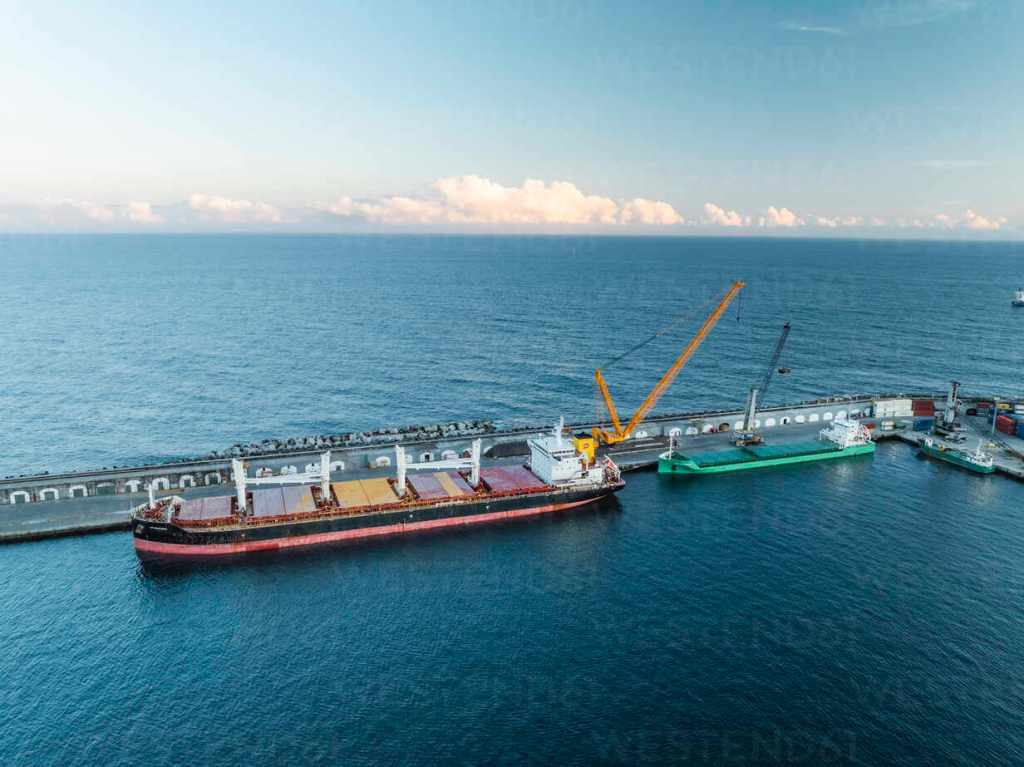
Defend POSEI Transport
In this context, the President of the Government defended the creation of the POSEI-Transport program, which he justified with the “double insularity” or “double periphery”, which “requires a multiplicity of logistical, economic and social solutions, especially for the smaller islands.”
Like the other Outermost Regions, the document states that “the region is totally dependent on air passenger transport and maritime freight transport to ensure the mobility of people and goods and the proper supply of the population.”
“These constraints,” it continued, ”represent permanent and specific constraints that require permanent solutions and financing mechanisms that are not dependent on revisions to horizontal European programs.”
For this reason, “it is essential to create a POSEI-Transport, a mechanism that guarantees, on a permanent basis and without being subject to political circumstances, an adequate access service from the ORs to the continental territories, and vice versa, as well as an adapted accessibility system that allows the free movement of people and goods within the territory of each region. This issue is particularly pressing in regions with geographical discontinuity, especially those with multiple islands, such as the Azores.”
“Our needs in terms of building and maintaining infrastructure cannot be overlooked either,” he said.
According to the President of the Government, “it would also be important” for the next programming period “to see a financial reinforcement of the ‘Specific Allocation for the Outermost Regions’ component, since the current allocation of the specific allocation of the Structural Funds for the ORs is clearly insufficient” to support, in particular, investments in ports and airports.
He also considered it “absolutely essential that in the next programming period the Structural Funds cover the costs of investments in the improvement, maintenance and training of port and airport infrastructures located on the islands, in order to make them more resilient to climate change.”
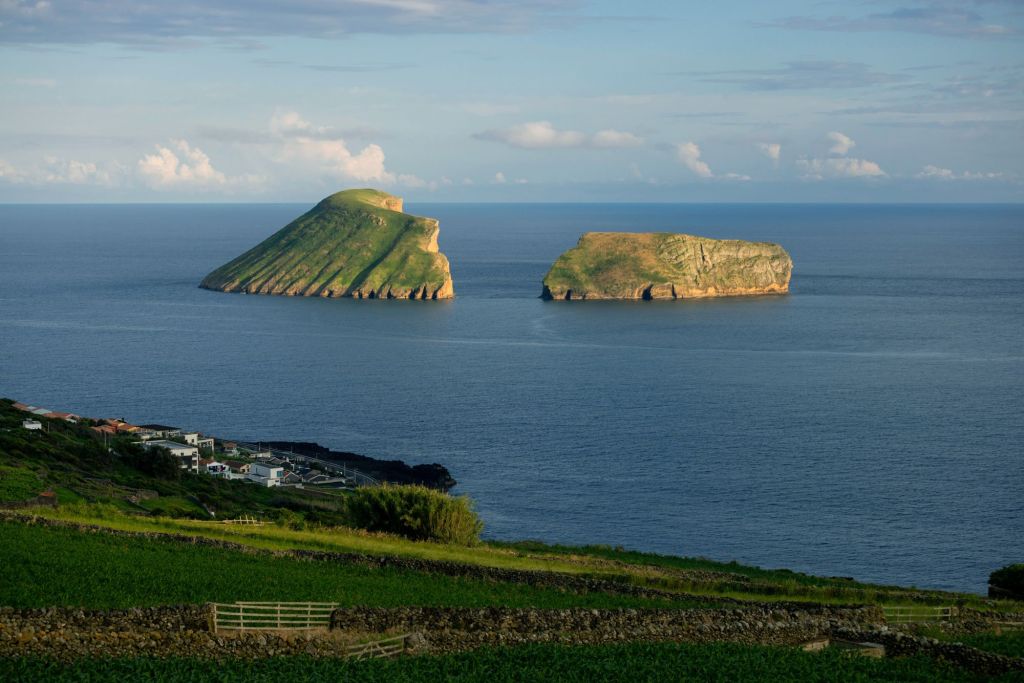
Digital connectivity
From another perspective, the Azores “recognize digital connectivity as an essential pillar for their sustainable development, social inclusion and economic competitiveness. However, significant challenges remain due to its geographical location, making it imperative to implement a more efficient, resilient and secure submarine cable network.”
He said, “Only with strategic investments and a true vision of territorial cohesion will it be possible to fully integrate the Azores and the other ORs into the European digital space.”
He emphasized that “there is an urgent need to replace the inter-island submarine cable ring, since the current one has already reached the end of its useful life. This is an important cohesion effort, since it is this system that makes it possible for all the islands to have digital connectivity with each other and with the European continent through the connection to the CAM Ring submarine cable system (Mainland, Azores, Madeira).”
In the opinion of the President of the Government, “good digital accessibility combined with competitive energy prices makes the Azores a prime location for the implementation of data storage and processing infrastructures (datacenters) that can serve user communities based on both sides of the Atlantic Ocean.”
According to “the European vision of protecting its critical infrastructures, namely submarine cables, the Azores must play a central role in the surveillance, protection and defense of European territorial waters in the North Atlantic.”
In this context, the island archipelagos “should be seen as areas of confluence and presence of various critical infrastructures of high European interest, and for this they should deserve specific attention, including research and development and the scalability of technological solutions with dual use.”
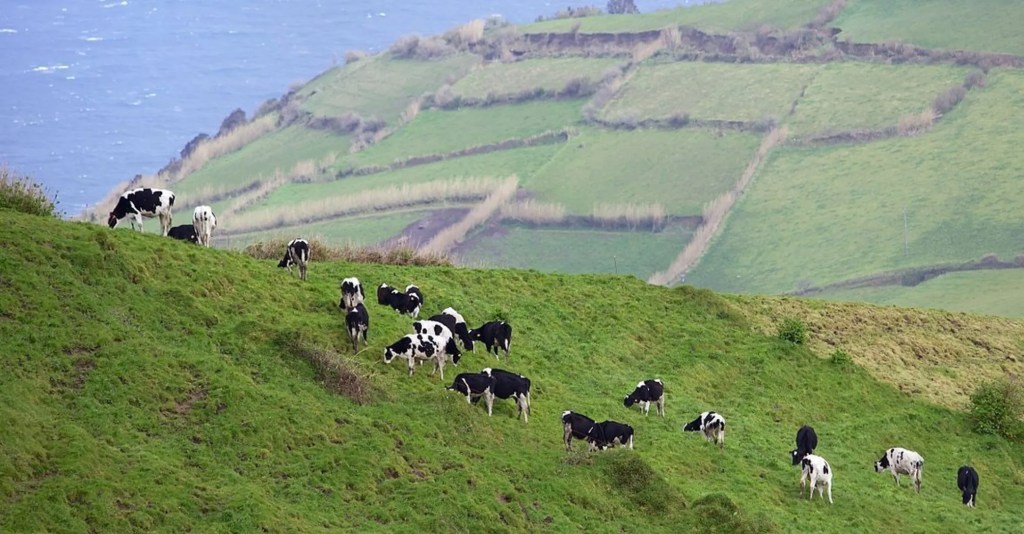
Financial reinforcement of POSEI – Fisheries and Agriculture
In the same document, the Government of the Azores defends “the re-establishment of POSEI-Fisheries and the revision and simplification of FEAMBA, the European Maritime, Fisheries and Aquaculture Fund”.
It advocates “the renewal of fishing fleets, regardless of their segment and fishery, promoting improvements in energy efficiency, safety and selectivity, focusing on the sustainability of fishing, and guaranteeing fair compensation for the necessary scrapping of vessels.”
“The renewal of the fishing fleet in the Outermost Regions is crucial to ensure the safety, sustainability and competitiveness of the sector and, in order to avoid unfair competition between regions with different financial capacities, we advocate that the financing of this process be assumed exclusively by the European Union,” he said.
“Only with direct support from the European Union will it be possible to ensure that all the outermost regions can make the necessary investments, without being at a disadvantage compared to other areas with greater resources,” he argued.
The document delivered by the President of the Government to the Vice-President of the European Commission calls for a “reinforcement” of the POSEI Agriculture budget and “sustainability of the agricultural sector” in the outermost regions.”
It considers that updating and reinforcing the POSEI Agriculture budget “is essential to overcome the financial limitations of the program and ensure that it continues to respond to the real needs of our farmers and meet its objectives.”
In the document, the Regional Government notes, “with great satisfaction”, that the recent communication from the European Commission (…) recognizes the importance of POSEI for the outermost regions, and hopes that the ongoing evaluation will result in its deepening, the updating of the current budget and a necessary reinforcement within the next multiannual financial framework for 2028-2035, to guarantee the medium and long-term future of the agricultural sector in these European regions.”
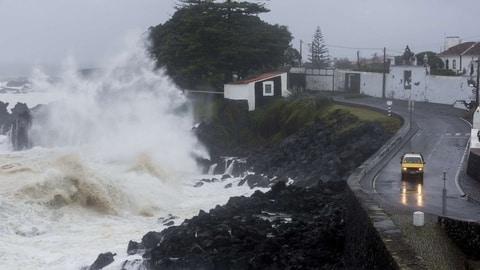
Extreme weather events in the Azores
José Manuel Bolieiro highlighted the Azores’ “unique natural wealth,” which “faces complex challenges in implementing European environmental policies.”
He said the Regional Government “has shown a strong commitment to implementing ambitious policies, ” which aligns with European Union guidelines.
According to the President of the Government, “the increase in the frequency and intensity of extreme weather events in the Azores, with devastating consequences for communities and infrastructure, requires an urgent and coordinated response.”
“In-depth knowledge of the regional climate reality, the implementation of effective adaptation measures and the development of early warning systems are essential elements to mitigate negative impacts and protect the population,” he argues.
Recognizing the specific nature of the Azores as an Outermost Region (OR) and allocating adequate financial resources “are therefore indispensable conditions for ensuring the viability and effectiveness of European environmental policies in the archipelago, promoting a just transition and sustainable socio-economic development.”
The document notes that the Azores today have an energy system “heavily dependent on fossil fuel imports, with a smaller variety of energy sources than in other regions, such as coal or natural gas (…),
It notes that the Outermost Regions “have isolated energy systems that cannot be integrated into the common European grid” and “face higher energy production costs than regions located on or near the European mainland, even if there is a national equalization system to help offset these extra costs.”
The document states that “the high level of energy dependence exacerbates the trade deficit and exposes these regions considerably to fluctuations in fossil fuel prices.”
It therefore defends the transition to a sustainable energy model and the promotion of electric mobility as strategic imperatives to ensure resilience and alignment with the European Union’s environmental objectives.”
“The adoption of low-emission means of transport, driven by the electrification of the land, sea and air sectors, and the concomitant modernization of charging infrastructures and smart grids, are essential to reducing the carbon footprint of regional mobility,” reads the document.
“Achieving this vision requires a concerted effort between the regional, national and European spheres, with European funding playing a catalytic role in implementing structuring projects and supporting the research and development of innovative solutions that can be replicated in other island regions,” it adds.
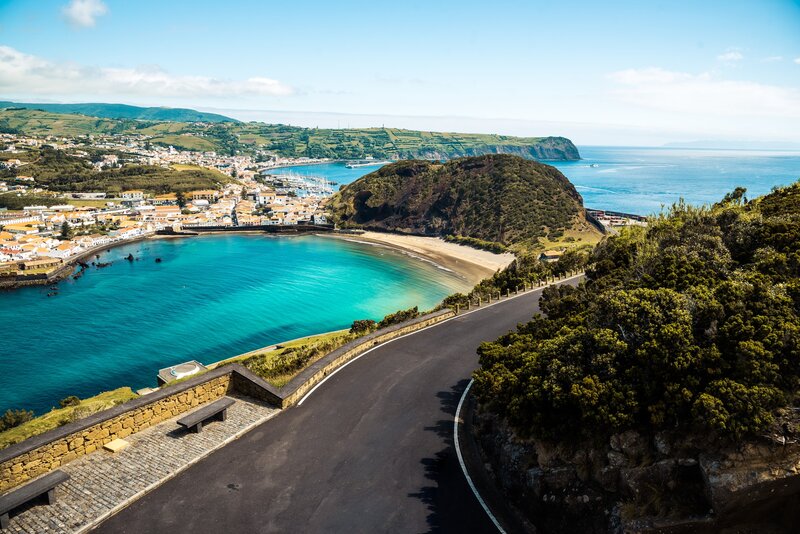
The impact of carbon emissions on island economies
The document calls for a mid-term review of the legislation in the ‘FIT FOR 55’ package. It justifies the fact that the outermost island regions (ORs), such as the Azores, within the scope of this European Union package, “are almost exclusively dependent on two modes of transport: sea, for the supply of goods and merchandise, and air, for the mobility of people. These regions will face major difficulties if they are not properly taken into account in European decarbonization planning and policies, since the uniform application of emission targets and rates, without the necessary adjustment to the specificities of the island ORs, could result in a significant increase in costs and even in the reduction of fundamental links for the well-being of the populations in these regions.”
Firstly, he explains, the EU’s principle of territorial cohesion “requires that all European regions, including the most remote ones, enjoy a level playing field for growth and competitiveness” and the implementation of “Fit for 55” – which aims to reduce greenhouse gas emissions by at least 55% by 2030 – “must therefore not jeopardize the continued supply of basic products to the Autonomous Region of the Azores, nor make air accessibility impossible for residents and visitors.”
Secondly, for the island ORs, maritime and air transport are “the only possible means of connecting to the outside world, and it is impossible to replace these connections with road or rail, as is the case in continental territories”.
For this reason, ecological transition strategies in these sectors, “although fundamental to achieving climate objectives, must incorporate safeguard mechanisms and specific support that meet the needs of the outermost regions. Otherwise, an unfair asymmetry could be created, with additional costs for local populations and risks for the socio-economic sustainability of these regions.”
In this context, the document points to measures that “should guarantee and safeguard” the interests of the outermost regions through the European Union’s legal instruments.
Finally, it calls for including the outermost regions in future Interreg programs, of “instruments capable of ensuring the regional integration of these regions to the West would allow them to take advantage of the added value that cooperation with North and South America represents for them.”
There are two reasons for this. On the one hand, “it stems from the obvious geostrategic importance of these regions for both sides of the Atlantic.” On the other hand, “it is based on the important communities that these regions have in those areas, the result of centuries of immigration, which make them important catalysts for transatlantic cooperation.”
In Correio dos Açores-Natalino Viveiros, director
Translated to English as a community outreach program from the Portuguese Beyond Borders Institute (PBBI) and the Modern and Classical Languages and Literatures Department (MCLL) as part of Bruma Publication and ADMA (Azores-Diaspora Media Alliance) at California State University, Fresno, PBBI thanks Luso Financial for sponsoring NOVIDADES.

 Novidades - The Islands and the Diaspora