

Manuel Mancebo: A Journey of Heritage and Hope by Cameron Crutcher
Manuel Mancebo was born on July 24, 1947, in the village of Fajã dos Vimes on the island of São Jorge in the Azores. He offers a rich and personal perspective on his family’s immigration experience. Through his story, we gain insight not only into his life but also into the journey of many Portuguese families who sought a better future in America. Manuel’s early childhood memories are shaped by the natural beauty of the Azores, where he lived by the ocean. His father was a fisherman, and from an early age, Manuel learned the value of hard work, both through school and by helping his father with the fishing trade. “I remember we lived by the ocean. My dad was a fisherman… I started going to fish with my dad at an early age,” he remembers. His childhood was marked by a close-knit family and community, where he spent much of his time with cousins and friends from the village.

In the late 1950s, life in the Azores, like much of rural Europe, was marked by economic hardship and limited opportunities. For many, America was seen as a land of opportunity, a place where families could create a better future. Manuel’s family was no different. They made the difficult decision to leave their homeland in search of a brighter future. On February 6, 1960, Manuel and his family embarked on a journey that would change their lives forever. Their destination was California, where Manuel’s father had relatives who had already settled. “We came to Tulare, California, and that was because my dad had family there,” he explains. Upon arrival, the family lived on a dairy farm in the countryside, where everyone, including Manuel, worked hard to make a living.
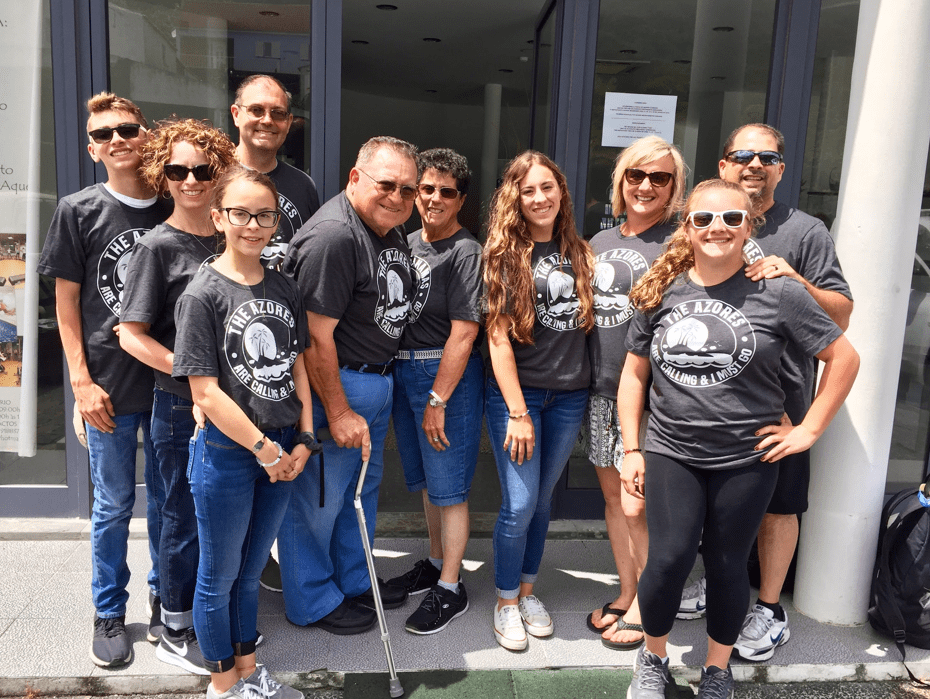
Even as they adapted to life in America, Manuel’s parents were determined to maintain their strong Azorean identity. They instilled in their children a deep sense of pride in their heritage, ensuring that the family remained connected to Portuguese traditions and language. “Mom and dad always were very proud of being Portuguese, so they wanted us to follow in their footsteps,” Manuel shares. This pride in their roots was expressed through language, food, religious practices, and celebrations, such as the Holy Spirit Festival. For Manuel, maintaining these traditions wasn’t just a matter of cultural preservation; it was a way of life that had been ingrained in him since childhood. “For me, it was already kind of ingrained in our life,” he says. “The way the Portuguese run their lives and communities.” Despite embracing American customs and values, his family’s Portuguese heritage remained a cornerstone of their identity. Manuel has had the opportunity to return to the Azores several times since his family’s departure, each visit bringing a mix of emotions. His most recent trip was in 2019, when he took his children and grandchildren to show them the place where he was born and raised. It was a touching experience for him, as he reflected on the life he had left behind and the changes that had occurred over the years. “It was always a very touching experience for me,” he says, reflecting on how much he enjoyed his upbringing and the values it taught him.
One of Manuel’s proudest accomplishments is his service in the United States Coast Guard. He served for four years, which took him to many countries around the world. His military service was not only an opportunity to serve his new country, but also a way to solidify his identity as an American. “I’m most proud of serving in the armed forces of the United States,” he says. He joined the Coast Guard shortly after marrying, and his military experience helped shape the person he became. His service also played a pivotal role in his becoming a U.S. citizen in 1967, while he was stationed in San Juan, Puerto Rico. To gain citizenship, Manuel had to take a test on the U.S. government and appear before a judge, who asked him a series of questions. “I became an American citizen in 1967,” he recalls with pride.
Manuel’s family’s journey from the Azores to America was not without its challenges. The family’s departure was emotional, with the entire village turning out to say goodbye. After years of waiting for immigration papers, they finally left for America, but not without facing additional obstacles. A delay in their flight and issues with immigration papers caused complications, but through determination and community support, they managed to overcome these hurdles. The family was eventually able to continue their journey, arriving in San Francisco late at night, where they were welcomed by relatives. Despite the challenges, Manuel’s family was committed to building a new life in America. “They showed the same courage that let them leave their village in Sao Jorge to search for a better life,” he reflects. This courage would carry them through the hardships they faced in their new country, as they worked tirelessly to create a better future for themselves and future generations. For Manuel, being Portuguese-American means having a unique perspective on life. “It means that I have a background or an outlook on life from a different perspective, other than just being American,” he explains. His dual identity allows him to appreciate both the rich cultural traditions of his Portuguese roots and the opportunities that America has offered him. Today, Manuel sees the Portuguese-American community in California as vibrant and well-established, particularly in their efforts to maintain cultural traditions. He notes that the community works hard to keep its members informed and connected, ensuring that Azorean traditions and values continue to thrive in the next generation.
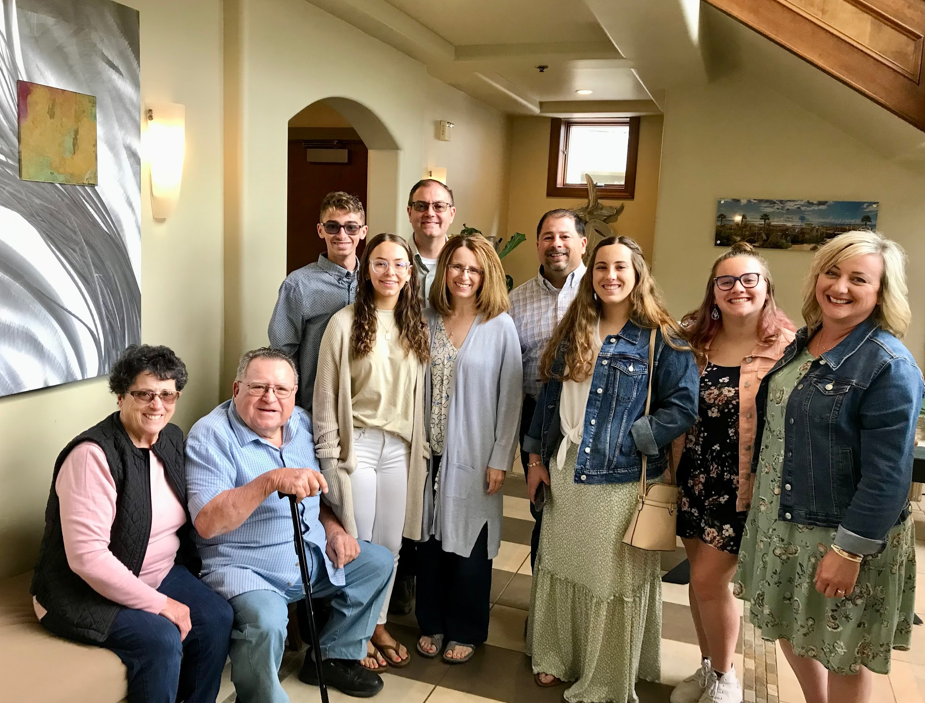
Manuel Mancebo’s story is one of perseverance, pride, and the immigrant experience. His journey from the Azores to America is a testament to his family’s determination to build a better life and preserve their cultural heritage. Through his reflections, we gain a deeper understanding of the immigrant experience, the importance of family and community, and the enduring value of cultural traditions. The story of Manuel’s life is not just the story of one man, but the story of countless immigrants who, like him, have shaped America’s identity through their hard work, sacrifices, and pride in their roots.
Cameron Crutcher is a student at California State University, Fresno.
This ongoing collection of oral history essays explores the Portuguese-American experience in California through the personal narratives of immigrants and their descendants. Centered on themes of belonging, adaptation, cultural preservation, and participation in the broader American story, these accounts offer a textured and often underrepresented perspective on immigrant identity in Central California, throughout the entire state, and the nation.
Drawing on interviews with individuals and families of Azorean, Madeiran, and mainland Portuguese heritage, these essays examine the intersection of private memory and collective history. They highlight how language, religious and social traditions, and community institutions served as anchors of cultural continuity, even as Portuguese-Americans integrated into and contributed to the mainstream fabric of American society.
Through farming, labor, business ownership, civic engagement, and cultural expression, Portuguese immigrants (mostly from the Azores) and their descendants have helped shape California’s Central Valley and the surrounding areas. Yet, their stories often remain absent from dominant historical narratives. This project aims to honor those experiences, preserve linguistic and cultural memories, and contribute to a deeper understanding of immigration, diaspora, and American identity.
PBBI-FLAB Fresno State Oral History Project: Documenting diaspora, culture, and contribution


 Novidades - The Islands and the Diaspora