

Celebrating Easter is more than just commemorating a religious festival, the most important in the Christian liturgical calendar; it is a living expression of island identity, marked by faith in Jesus’ resurrection, with a deep connection to our cultural roots.
In every part of the island, with its own particularities, a special pulse is felt at this time of year. It’s impossible not to recognize the intensity with which Azoreans live this period, even for those observing from the outside.
One of the most emblematic traditions is the Procession of the Resurrection, also known as the Procession of the Lord to the Sick, which takes place in the parish of Furnas. People go through the houses, bringing communion to the sick, with the streets carpeted with the most beautiful flowers of the season. This practice is a true symbol of the community cohesion that is still preserved in the Azores, despite the hurried pace of life that takes us further and further away from collective rituals.
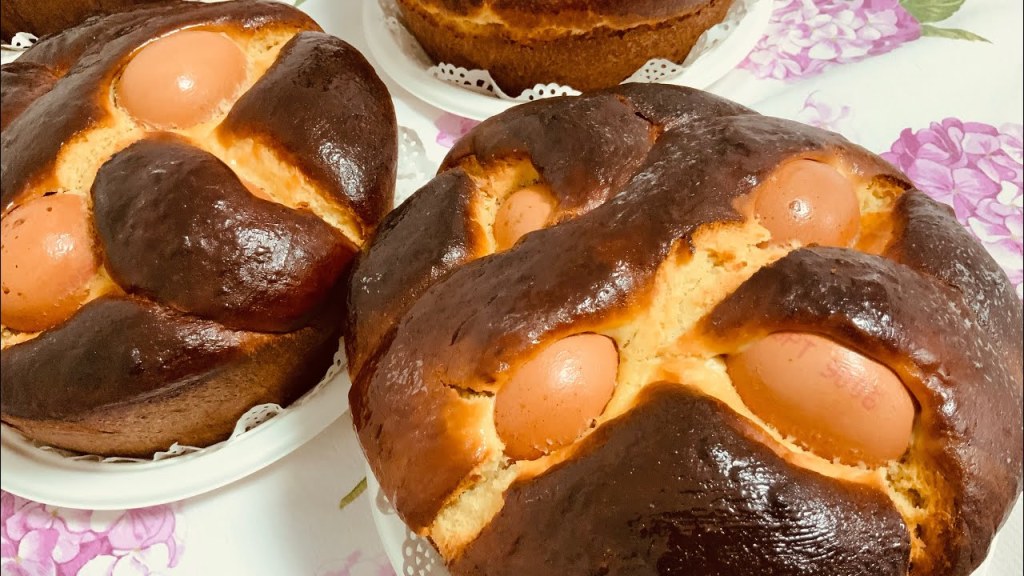
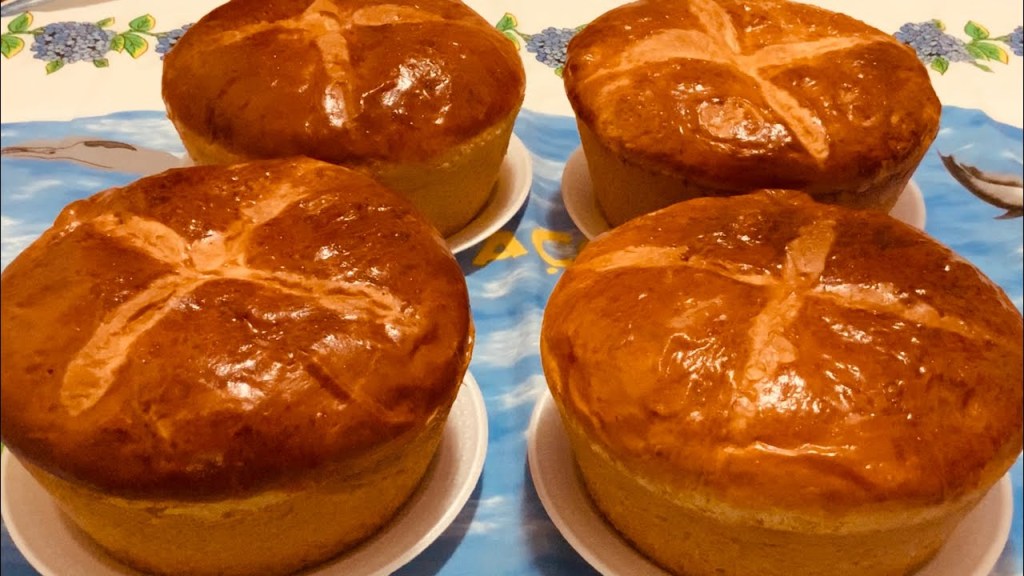
Another aspect worth highlighting is the gastronomic richness of this season. From the traditional folares, which vary from island to island, the Azorean table is filled with flavors that tell stories. They’re not just recipes; they’re heirlooms passed down through generations, uniting families around the table and keeping a shared memory alive.
Some say that traditions are a thing of the past, but in the Azores, they remain a link between what we were and what we want to be. The authenticity with which Easter is lived, without great artifice or haste, is a lesson in simplicity and a sense of belonging.
In times of growing individualism, looking at the way we celebrate Easter on these islands is a reminder that the true spirit of this season lies in shared faith and the strength of small communities. And that, in the Azores, has not been lost.
However, in a world so often marked by indifference, wars, and haste, the true meaning of Easter is in danger of being lost among chocolate eggs and holidays used for tourism. However, for those who believe and for those who are simply looking for a deeper meaning in life, Easter remains an invitation to renewal, a fresh start, and trust in a greater good.
On the island of São Miguel, Easter is celebrated with a fervor that goes far beyond religious practice. The arrival of the pilgrims in the parishes from which they set out gives added meaning to the celebration of Jesus’ resurrection. It is, therefore, a celebration with deep meaning, where faith and tradition are woven into a unique cultural fabric that remains resistant to the passage of time.
Easter here is not just a holiday; it is a manifestation of identity, faith, and a sense of belonging to something greater. Perhaps that’s what makes Easter in São Miguel so special. It’s not about reliving the past out of nostalgia, but about keeping a collective flame burning, that flame that reminds us that we are, above all, part of a common history, where the sense of the sacred remains, because only then does it make sense to live the Easter Triduum, not just as a memory, but with the certainty that Christians see themselves in the breaking of the bread on Holy Thursday.
In the Jewish context, Passover is celebrated to commemorate the liberation of the Hebrew people from slavery in Egypt, as recounted in the book of Exodus. It is a feast of remembrance and gratitude, and recalls the crossing of the desert. But for us Christians, it is a feast that reminds us that, after the cross, there is resurrection. This is a message of hope that transcends any religious tradition.
Happy Easter.
António Pedro Costa is from São Miguel Island in the Azores. He is a regular contributing writer for Correio dos Açores.
NOVIDADES will feature occasional opinion pieces from various leading thinkers and writers in the Azores, giving the diaspora and those interested in the current state of the Azores a sense of the significant opinions on some of the archipelago’s issues.
Translated to English as a community outreach program from the Portuguese Beyond Borders Institute (PBBI) and the Modern and Classical Languages and Literatures Department (MCLL).
 Novidades - The Islands and the Diaspora