

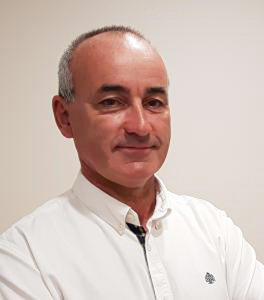
After more than two decades of dedication to local government, Vítor Pimentel is preparing to end his term as president of the Castelo Branco Parish Council, in the municipality of Horta, on the island of Faial. In office since 2013, he highlights the dynamism of the parish and the collective effort that has made it possible to keep 15 local institutions alive. Despite community involvement, persistent challenges include a lack of housing, an ageing population, and insufficient funds. The mayor advocates the urgent creation of a home for the elderly and better conditions for young people. For the future, he believes in the parish’s potential in the tourism, services, and restaurant sectors.
Correio dos Açores – What is your experience as President of the Castelo Branco Parish Council?
Vítor Pimentel (President of the Castelo Branco Parish Council) – I have been a member of the Castelo Branco Parish Council executive since January 2002, first as secretary and then as president in the 2013 elections, a position I still hold today. It’s been an enriching experience, with many experiences and learnings. Every new day, I see what I can do better than the day before, for the well-being of all Albicastrians and our institutions.
What is your picture of the parish of Castelo Branco?
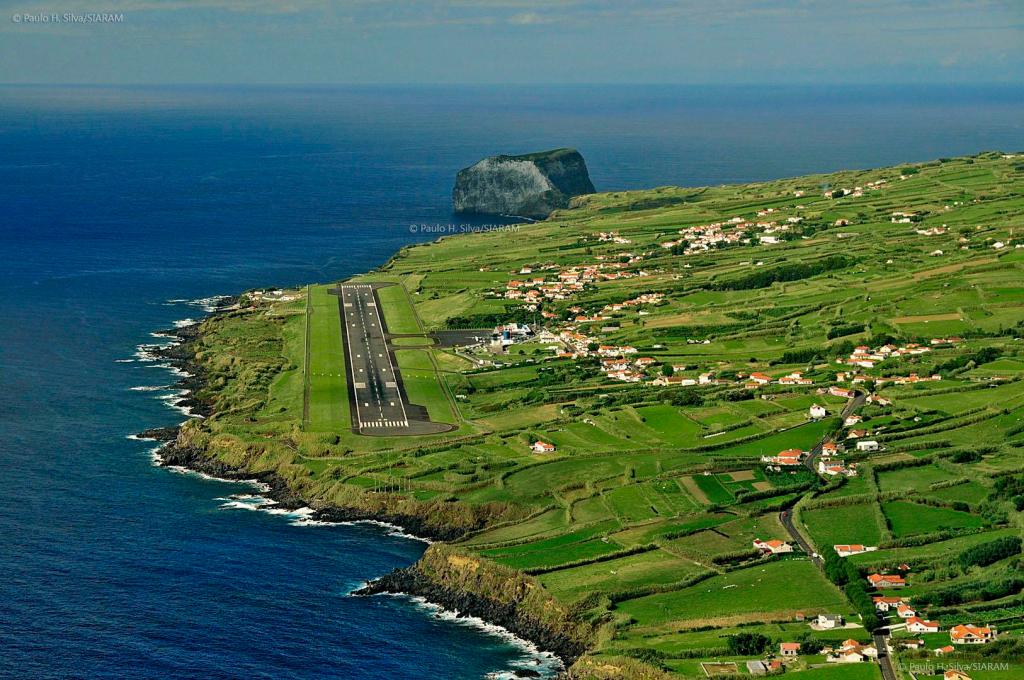
It’s a very dynamic parish. With a geographical area of 24.33 km² and around 1,260 people, we have 15 active institutions, with athletes competing at the island and regional level. It’s a parish that has been characterized by these dynamics throughout its history and continues to maintain them. From the soccer pitch, sports pavilion, cultural center, camping area, bathing area, whaling boat, CTT post office, RIAC, recreational and sports societies, philharmonic, ethnographic group, choir, Caritas, non-profit associations, to the dynamics of the parish itself, all these assets contribute to the dynamics of Albicastria.
What are the main challenges, needs, and difficulties facing the parish?
Bearing in mind the areas of expertise described above, one of the greatest difficulties we face is finding people willing to serve on the governing bodies of these institutions, because the dynamics implemented require them to give up many personal projects to dedicate themselves to the institutions. However, we are still keeping these associations and organizations active, training people and energizing the parish, the island, and taking the name of Castelo Branco far beyond our borders.
What is the most developed sector in the parish of Castelo Branco?
The vast majority of people work in the public sector. However, we have a significant number of people working in the primary industry, including farming and agriculture, as well as the processing sector, such as bakery and dairy products, and some service areas.
How has tourism grown in recent years? Has the number of local accommodations increased in Castelo Branco? Is the lack of housing a problem in the parish?
Local accommodations have been popping up, and occupancy rates are around full capacity during the high season. Housing, like in most places, is a problem that makes it difficult for people, especially young people, to settle in the parish. The constraints on new building sites make it very difficult to keep up with the existing housing limitations.

According to the latest CENSUS, the parish has seen its number of inhabitants fall in recent years. In 1960, it had 1,670 inhabitants. It now has 1,258 inhabitants. In your opinion, why is this?
One factor I think may be related to the difficulty of finding housing is the general trend. One of the other factors I believe is that young people study more and, after graduating, often can’t find jobs on the island, so they move elsewhere in search of better job opportunities.
Are the funds sufficient to cover the parish’s expenses throughout the year? Do you lack any infrastructure?
The funds are clearly insufficient. I’m not just saying that, but because it’s the reality. A parish with all the features I mentioned earlier, plus the side roads, seven streams, and many other “grotta” type water bodies, requires human resources to maintain them, and, as such, money is needed. There is daily gymnastics to make things work. The funds received from the State Budget, the delegations of powers with the Municipality of Horta and other protocols that we have signed with some departments of the Regional Government, with the efforts of all the employees, parish institutions and members of the executive, all this is what allows us to carry on with all the dynamics and activities developed in Castelo Branco.
What are the conditions of the municipal roads? What about the farm tracks?
I’d say the municipal roads are 50/50. Several interventions were planned by the Municipality of Horta, but I am unsure if they will be completed by the end of the mandate. Regarding the agricultural roads, those for which we don’t know who they are or who they depend on, it would be a disaster if it weren’t for the efforts of the Parish Council, with the support of the GRA’s island services. There is a real and urgent need to define whose roads they are and assign them the respective funds to accompany this transfer. But it’s a decision that’s taking a long time to be made, and I don’t think there’s much will on the part of those who are entitled to make it.
What are the typical gastronomic dishes in the parish of Castelo Branco? Is there a lack of restaurants?
We don’t really have a dish that could be said to be typical of our parish. We have black pudding, sausage, feijoada, yams, rice pudding, among others, which come from all over the place. As for catering, we can improve.
What are the conditions of the schools in the parish? Are there any specific activities or support for local youth?
The school in the parish is meeting current needs, apart from a few details or minor maintenance issues, but in terms of capacity, we’re not going to complain. Regarding support, I think it’s important and urgent to improve the conditions and needs of the parish’s ATL. It operates in a space owned by the council, but it needs improvement, given the number of users who attend. I hope that the GRA will take a closer look at this space.
What are the conditions for supporting the elderly population in the parish? Are there any specific activities or services that can improve the quality of life for the elderly? Are there enough nursing homes?
For the elderly, the Casa do Povo has a social center that creates various dynamics throughout the week. In this respect, there is a clear need for a Day/night center for elderly people in the parish. We’re starting to see a significant number of elderly people whose families can’t care for them, especially due to their professional commitments.
What sectors does the parish have the potential to develop?
The parish has the potential to develop further in the tourism sector, as well as in restaurants, services, and some secondary industries.
What are your expectations for 2025?
Well, as far as the mandate is concerned, this is an election year, in which my mandate ends, and I can’t run again. I hope that the next executive will continue to develop Castelo Branco and improve the living conditions of the people of Castelo Branco and those who visit us. In truth, I will end my mandate without having achieved all my objectives, but I will end it with the knowledge that I gave my all, everything I knew, to build a better parish and society.
I hope we all can fight for a better society, because these are complex times with many new challenges.
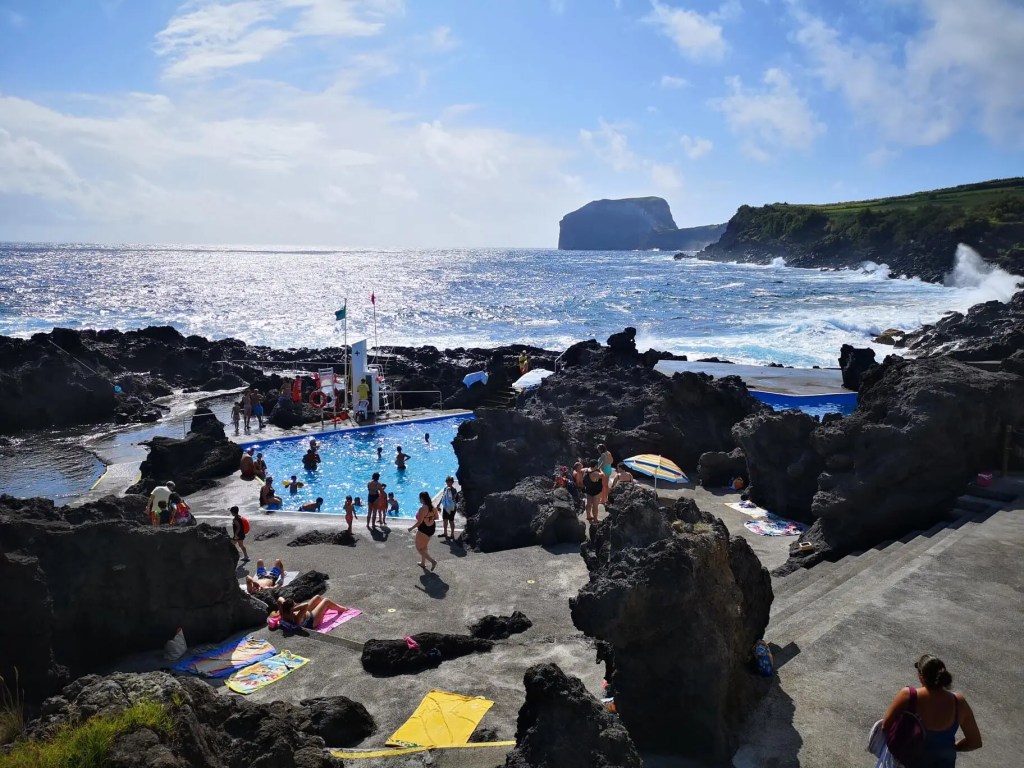
I would like to take this opportunity to invite anyone visiting Faial to visit Castelo Branco and its many attractions: our bathing area, camping and barbecue area, swimming pools, children’s playground, sandy playing field, boat harbor, and more. Visit our ex-libris, the Morro de Castelo Branco, featuring a support and interpretive center, a trail, and an excellent spot for rest, relaxation, and reflection.
I’ll end by saying that Castelo Branco is a good place to live.

Filipe Torres is a journalist for Correio dos Açores, and Natalino Viveiros is the director.
Translated to English as a community outreach program from the Portuguese Beyond Borders Institute (PBBI) and the Modern and Classical Languages and Literatures Department (MCLL) as part of Bruma Publication and ADMA (Azores-Diaspora Media Alliance) at California State University, Fresno, PBBI thanks Luso Financial for sponsoring NOVIDADES.

 Novidades - The Islands and the Diaspora