


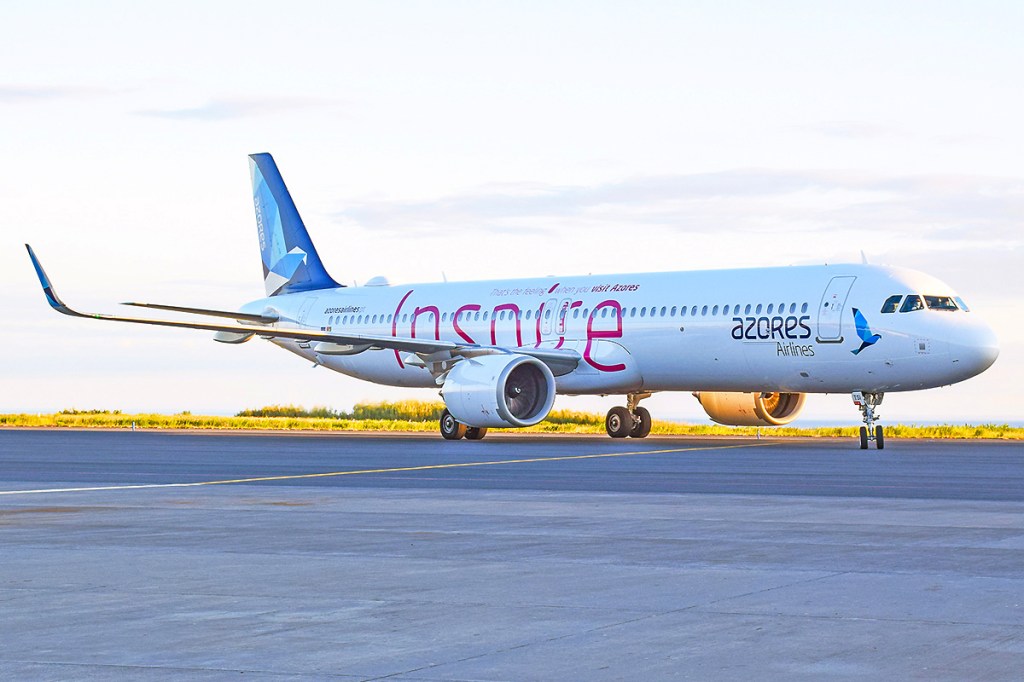
Any doubts about the urgency of selling Azores Airlines have been dispelled by the 2024 accounts just released. The Group’s loss of €80 million is equivalent to almost 50% of all hotel revenues, nearly 10% of the GVA from tourism, enough to build a large state-of-the-art hospital (the CUF hospital cost half that) and 10 health centers (the one in Lajes do Pico is valued at €8 million). This is the scale of the waste of money that the Region has achieved through the disastrous management of previous SATA administrations, which left a trail of irrecoverable deficits. The administrations of Luís Rodrigues and Teresa Gonçalves never implemented the restructuring plans required by Brussels, leaving Azores Airlines in a state of limbo. This resulted in three measures that proved disastrous for the company and had a scandalous impact on its accounts.
The first has to do with an early retirement pension model that will continue to be the subject of much debate, some of which will be resolved in court. Some employees took early retirement before the age of 55, with all benefits, and new employees had to be hired to fill the vacant positions. In other words, a double loss. Another disastrous impact on the accounts was the new routes, in an operation that made no sense, without any market research, and which proved, without exception, to be a financial disaster. There were two handfuls of new routes, all of them loss-making. At the time, this operation caused astonishment in aviation circles due to the irrational use of the company’s resources on roads that had nothing to do with the Azores, such as Porto-New York, Porto-Boston, Porto-Toronto, Funchal-New York, Funchal-Boston, and Funchal-Toronto. To complete the ruinous dozen, we also have Ponta Delgada-Milan, Ponta Delgada-London, Terceira-New York, and Terceira-Toronto.
Osvaldo Cabral is an emeritus journalist with over 40 years of experience covering the Azores. He was the director of RTP-A (the public television station) and the Diário dos Açores newspaper. He is a regular columnist for many newspapers throughout the Azpres and the Diaspora.
NOVIDADES will feature occasional opinion pieces from various leading thinkers and writers in the Azores, providing the diaspora and those interested in the current state of the Azores with insight into the diverse opinions on some of the archipelago’s key issues.
Translated to English as a community outreach program from the Portuguese Beyond Borders Institute (PBBI) and the Modern and Classical Languages and Literatures Department (MCLL).
 Novidades - The Islands and the Diaspora