


Wine production in the Azores is expected to increase significantly in 2025, exceeding the previous year’s figures and approaching a level considered normal.
The information is contained in the June monthly report of the Azores Regional Statistics Service (SREA). According to the document, the good vegetative development and fruiting of the vineyards enable a more productive wine season, especially on islands with a well-established wine-growing tradition, such as Pico and Graciosa.
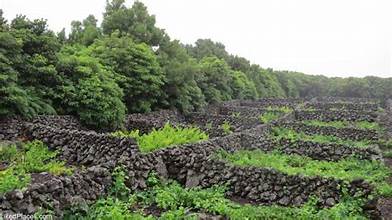
The island of Pico, home to the largest vineyard area in the archipelago and whose wine-growing territory is designated as a UNESCO World Heritage Site, has a production index of 135, up from the previous year. Santa Maria (130) and Graciosa (125) also have very favorable projections. In São Miguel, Terceira, and São Jorge, the expected increase is more moderate but still positive, with figures ranging from 105 to 110.
Despite the optimistic outlook, several producers have expressed concerns about the threat posed by birds, particularly blackbirds, pigeons, and doves, whose presence in the vineyards could cause considerable losses. This situation has already occurred in previous years and requires extra care in the coming weeks, especially in less protected vineyards.

The month of June was characterized by weather conditions that favored the development of the main agricultural crops. Average air temperatures ranged between 19.5°C and 20.5°C, with higher values in the eastern group. Rainfall was low across most of the islands, allowing agricultural work to continue without significant interruption.
This had a direct impact on the positive development of several crops, including forage corn, which is in good condition across all islands. However, final production will continue to depend on weather conditions in the coming months.
Tea cultivation, concentrated mainly in São Miguel, maintained regular production levels and also benefited from the weather conditions. Productivity is expected to be similar to last year, in line with the standards for a normal year.
Early potato production varied between islands. In São Jorge, production was classified as good, with an index of 110, compared to the normal level. On the islands of Terceira, Pico, and Graciosa, production was below expectations, especially in terms of quantity. On the other islands, results were considered stable, with Santa Maria standing out, as it exceeded the figures for 2024.
Although most agricultural work proceeded without major constraints, the islands of Pico and São Jorge faced operational difficulties, particularly during the silage phase. The lack of machinery and labor delayed work, which could compromise the effectiveness of fodder storage and, consequently, the availability of animal feed for the rest of the year.
On the other hand, pastures were produced within normal parameters, ensuring good feeding conditions for livestock, except in areas where work was delayed.
Filipe Torres is a journalist for Correio dos Açores-Natalino Viveiros, the director.
Translated to English as a community outreach program from the Portuguese Beyond Borders Institute (PBBI) and the Modern and Classical Languages and Literatures Department (MCLL) as part of Bruma Publication and ADMA (Azores-Diaspora Media Alliance) at California State University, Fresno, PBBI thanks Luso Financial for sponsoring NOVIDADES.

 Novidades - The Islands and the Diaspora