

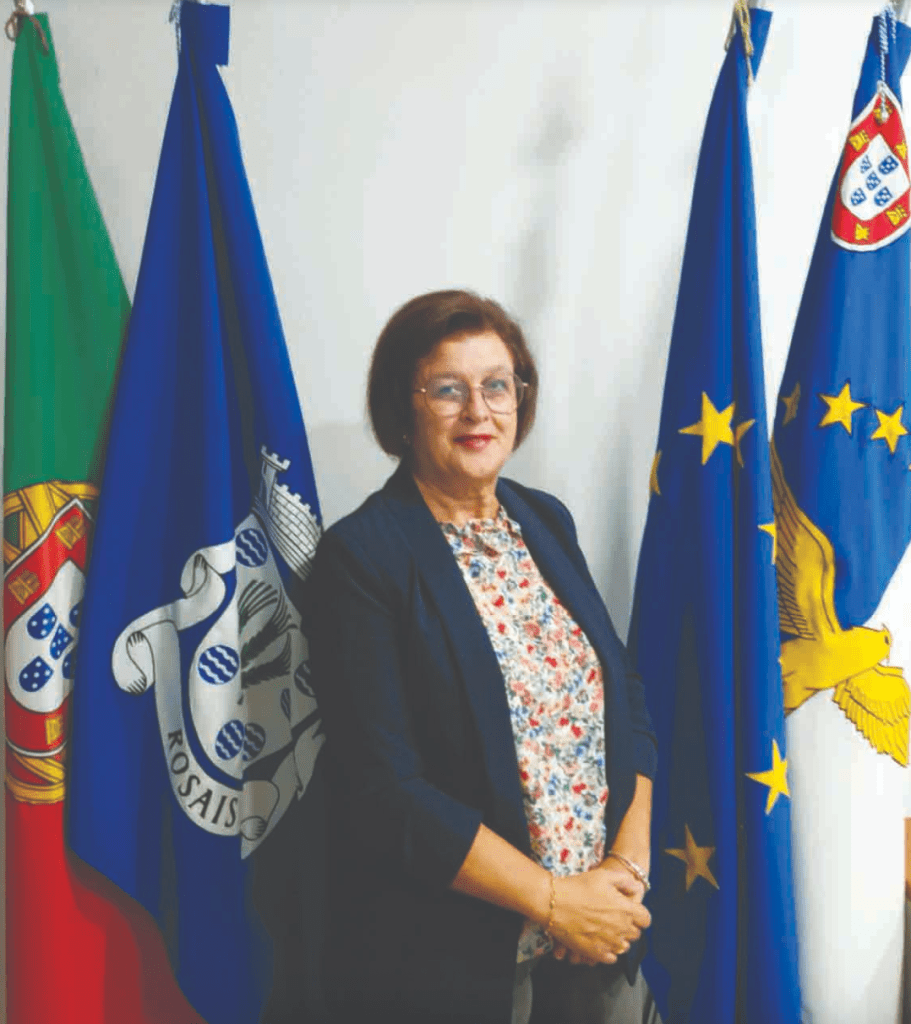
Marília Freitas, president of the Rosais Parish Council since 2016, reflects on her dedication and efforts throughout her term of office. She acknowledges the challenges of managing a parish with an aging population and low birth rate, where the retention of young people and the shortage of adequate housing are constant concerns. Despite financial difficulties and a lack of human resources to maintain the infrastructure, she emphasizes the economic potential of livestock and agriculture, as well as the region’s cultural and natural wealth. As she nears the end of her term, she calls for local government management that focuses on dialogue and the search for solutions to ensure a sustainable future for Rosais.
Correio dos Açores – What has been your experience as President of the Rosais Parish Council?
Marília Freitas (President of the Rosais Parish Council) – My experience as President of the Rosais Parish Council has been extremely enriching, as well as tiring and quite demanding. Since taking office as President in July 2016, I have worked diligently to address the needs of the population and promote the development of the parish, making Rosais an increasingly desirable place to live and a pleasant destination for visitors.
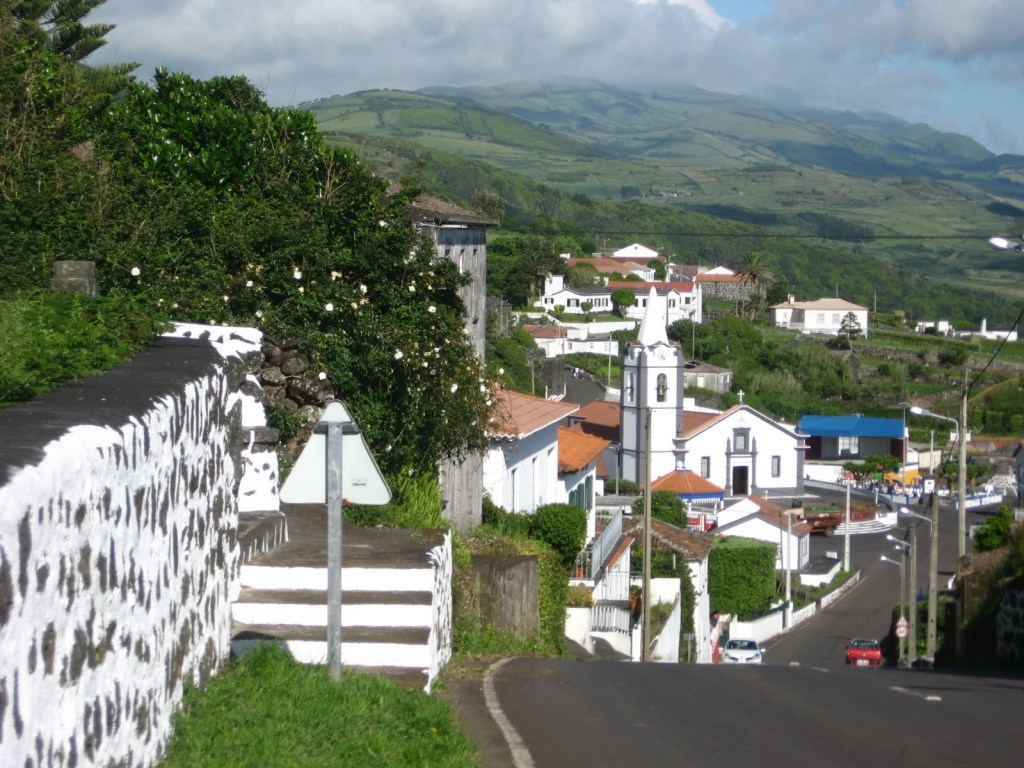
How would you describe the civil parish of Rosais?
The parish of Rosais is situated in the extreme northwest of the island. It is one of the most picturesque on the island of São Jorge, offering breathtaking views of the neighboring islands, including Pico and Faial, as well as Terceira and Graciosa, as one moves to the northern part of the parish. The parish belongs to the municipality of Velas, with the parish center about 7 km from the municipal seat. It stands out for its natural beauty and its historical, cultural, and heritage value.
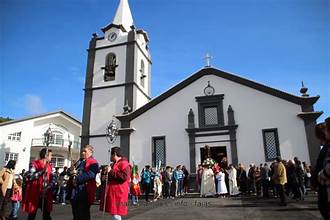
It has various infrastructures that are home to the parish’s various institutions and support religious and cultural traditions, which remain very much alive thanks to the commitment of the population who, year after year, participate in them, experiencing them and perpetuating them over time, as is the case with the Festas do Senhor Espírito Santo (Holy Spirit Festival) and Festas de Nossa Senhora do Rosário (Our Lady of the Rosary Festival).
Once known as “the island’s breadbasket” due to its fertile land for growing wheat and corn, most of this land has now been converted into pastures where cattle graze freely, producing one of the mainstays of our economy: the famous São Jorge cheese.
There is a folklore group and a philharmonic band.
What are the main challenges, needs, and difficulties facing the civil parish?
I believe the primary challenges and difficulties are retaining young people in the parish, as we face a low birth rate and an aging population. Little by little, we are pleased to see some returning, and for this to happen, we need to continue finding coordinated strategies that involve the community and parish authorities, to offer prospects for the future and a quality of life to those who want to come and live here.
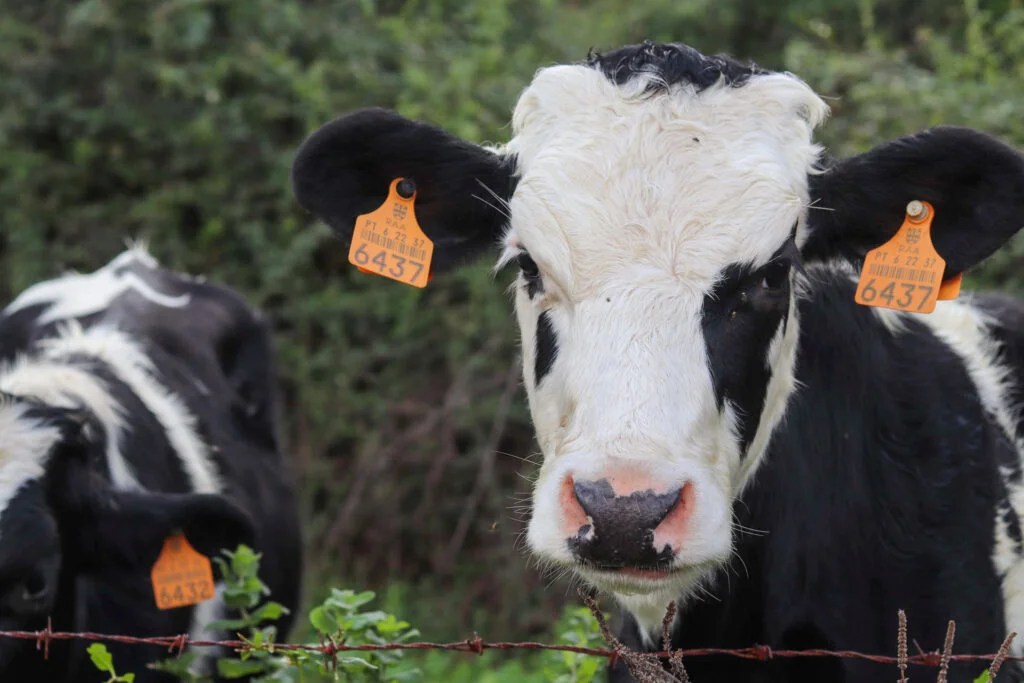
What is the most developed sector in the civil parish of Rosais?
The most developed sector is undoubtedly livestock farming. The landscape of Rosais is dominated by pastures, and it has one of the largest dairy basins on the island of São Jorge, located at Ponta de Rosais. Many liters of milk are transported daily to UNIQUEIJO – União de Cooperativas Agrícolas de Lacticínios de São Jorge, UCRL, the main entity responsible for the production, storage, curing, and packaging of São Jorge PDO cheese. Agriculture is also a significant economic activity, primarily for self-consumption. A large part of the working population is employed in other economic sectors, particularly in services in Vila das Velas, which is a major source of employment.
How has tourism grown in recent years? Has the number of local accommodations increased in Rosais? Is housing a problem in the civil parish?
Demand for the Azores, including São Jorge, where the parish of Rosais is located, has been growing, particularly from April to October. This increase is largely driven by tourists seeking more natural and peaceful destinations with lower demand. The parish is very popular because of its cultural heritage (Rural Exhibition Center in the Sol Building; Rosais Lighthouse; Caminho de Baixo and Caminho de Cima Windmills; Rosais Museum Center – Milk Collection Point; Rosais Museum Center – Island Barn; Washerwomen’s Tanks; Whale Watcher, among others), natural heritage (Fajã de João Dias; Sete Fontes Forest Park; Ponta dos Rosais, among others), religious heritage (Ermida da Fajã de João Dias; Ermida das Sete Fontes; Rosais Parish Church; Império do Divino Espirito Santo, among others), viewpoints (Fajã de João Dias Viewpoint; Fernando Afonso Viewpoint; Pico da Velha Viewpoint; Baloiço Viewpoint, among others), walking trails (several walking trails, including the Grande Rota 02 – Stage 1: Ponta dos Rosais – Santo Amaro (GR02 SJO), among others).
Local accommodation has increased, but not significantly, and this change does not significantly impact the availability of housing for locals. The parish is highly sought after for housing due to its convenient location near Vila das Velas. Some dilapidated houses could perhaps be renovated and made available to the population, while many others are closed, their owners having emigrated.
Are the funds sufficient to manage the civil parish throughout the year? Is there a lack of any infrastructure?
The funds are never sufficient, given the work that a Parish Council has to carry out. However, we have a protocol with the Municipality of Velas for the delegation of powers, which gives us some financial leeway, in addition to support in the form of materials provided by the City Council. We also apply for available support to undertake certain projects.
Currently, both at the Civil Parish Council and parish levels, there is no shortage of infrastructure; however, a growing staff shortage is hindering the management of existing infrastructure.
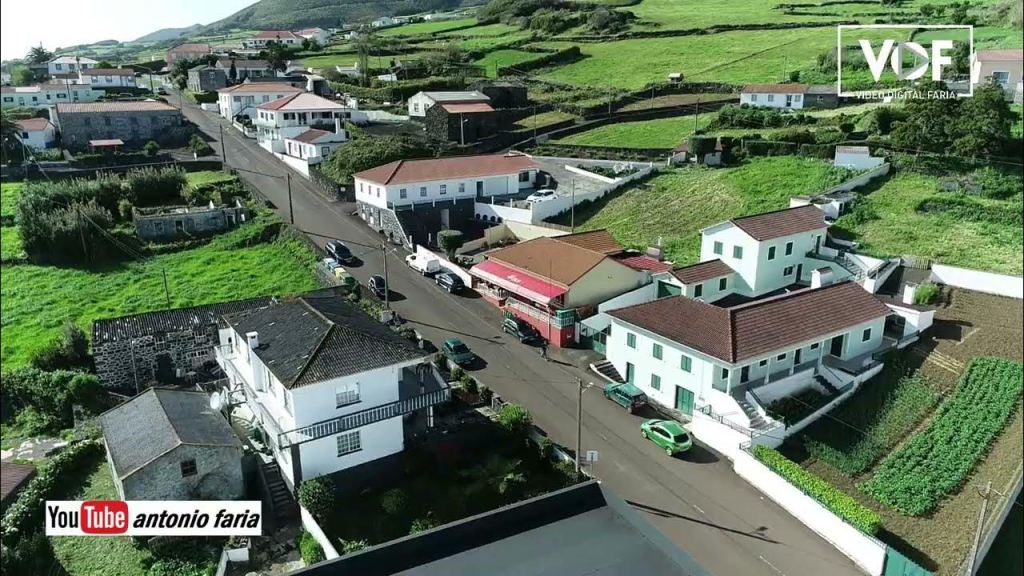
What are the conditions of the municipal roads? And what about the agricultural roads?
The municipal roads are generally in good condition, with several improvements having been made in recent years. The agricultural roads are currently in good condition, as they have recently been gravelled and maintained. However, the climate, especially the rain, affects their durability and maintenance.
What are the conditions of public air, sea, and road transport?
São Jorge has an airport with direct connections to other islands in the archipelago (Terceira and São Miguel). Especially in the summer, booking a flight to or from the island can be challenging, as flights are often fully booked. To travel to the mainland, we sometimes have to wait several hours in Terceira or São Miguel for a flight, which always causes some inconvenience.
As for maritime transport, I believe we have favorable conditions, given our geographical location in the center of the central group. In the summer, we have connections to Pico, Faial, Terceira, and Graciosa. In the winter, we have connections to Pico and Faial. Both air and sea transport are affected by weather conditions, especially in winter, which affects the regularity and efficiency of travel. As for public road transport, timetables are fixed and allow for a daily round-trip; however, the times are not suitable for most working hours, such as those during the day.
What are the typical dishes in the civil parish of Rosais? Is there a lack of restaurants/cafés?
I don’t think Rosais has a dish that is unique to the parish, but rather one that is common to the island. However, I would highlight the typical dishes made from pork, such as: Morcela (black pudding), Linguiça (sausage), Torresmos (pork crackling), Molha de porco (pork stew); Sopas do Espírito Santo (soup); Caldeirada do congro (conger eel stew); Lapas com molho Afonso (limpets with Afonso sauce); Caldo de Peixe (fish broth); Sopa de funcho (fennel soup), among others. In terms of sweets, I would highlight: Espécies; Torresmos doces; Rosquilhas brancas; Suspiros; Bolos de véspera, among others. In Rosais, we have one restaurant and three cafés.
What are the conditions of the schools in the civil parish? Are there any specific activities or support for local youth?
The schools in Rosais have not been open for several years. One of the buildings has been given to parish institutions, another houses the “Celeiro da Ilha” museum, and the third building houses a CT scanner. In the parish, there is a CNE Scout Group that promotes activities for young people.
What support is available for the elderly in the civil parish? Are there any specific activities or services that can improve the quality of life for the elderly? Are there enough nursing homes?
In the parish of Rosais, there are home support services that help some elderly people to remain in their homes with a better quality of life. This support is provided by institutions not based in the parish, but in Velas. The elderly people in the parish also attend the Day Center in Velas, where they socialize with other seniors and participate in various activities. The parish has a space equipped to function as a Day Center, but it has not been authorized to open because there are already two Day Centers in the municipality. There is one nursing home in the city of Velas and another in the municipality of Calheta. With the aging of the population, I fear that in the short term, they will become insufficient.
In which sectors does the parish have potential for development?
The tourist potential is undeniable, especially for those seeking tranquility and unique landscapes. The parish offers its rich heritage, culture, and history, along with panoramic views, walking trails, a vibrant gastronomy scene, festivals, and traditions.
Investing in the production and marketing of local products to enhance the cultural heritage of the parish. Further encouraging the livestock and agriculture sectors to continue generating the most economic activity in our civil parish.
What are your expectations for 2025?
As I will not be running for re-election, my expectation is to complete the projects currently underway, working on behalf of the population, and continue to approach this mission with a sense of responsibility until the end, to leave a positive legacy for the civil parish of Rosais.
Filipe Torres is a journalist for Correio dos Açores and Natalino Viveiros, and serves as the director.
Translated to English as a community outreach program from the Portuguese Beyond Borders Institute (PBBI) and the Modern and Classical Languages and Literatures Department (MCLL) as part of Bruma Publication and ADMA (Azores-Diaspora Media Alliance) at California State University, Fresno, PBBI thanks Luso Financial for sponsoring NOVIDADES.

 Novidades - The Islands and the Diaspora