

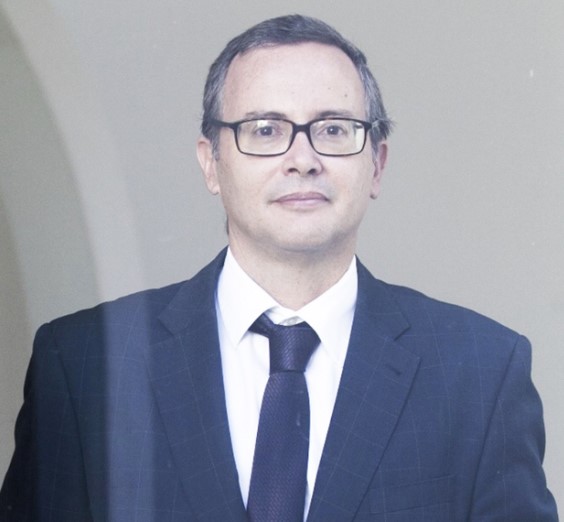
The Azores Qualification Center begins the new academic year with a range of training courses, including Electronics, Electrical Installations, Industrial Maintenance in Metallurgy and Metalworking, and Automotive Mechatronics. In an interview with Correio dos Açores, Acir Meirelles, Chairman of the Board of Directors, highlights the school’s strong links with the Azorean business community through the DUAL system, its commitment to “fablab” spaces, and the future business incubator. He also emphasizes the commitment to providing trainees with excellent technical and professional skills and a high employability rate.
Correio dos Açores – What training is currently available at the Qualification Center?
Acir Fernandes Meirelles (President of the Board of Directors of the Azores Qualification Center) – Next academic year, we will be offering the following courses: Electronics, Automation, and Control; Electrical Installations; Industrial Maintenance in Metallurgy and Metalworking; and Automotive Mechatronics. We had planned to develop only four courses, but given the strong demand, we will have two classes (40 students) in Automotive Mechatronics.

What sets you apart from other vocational schools in the Azores? What are your characteristics?
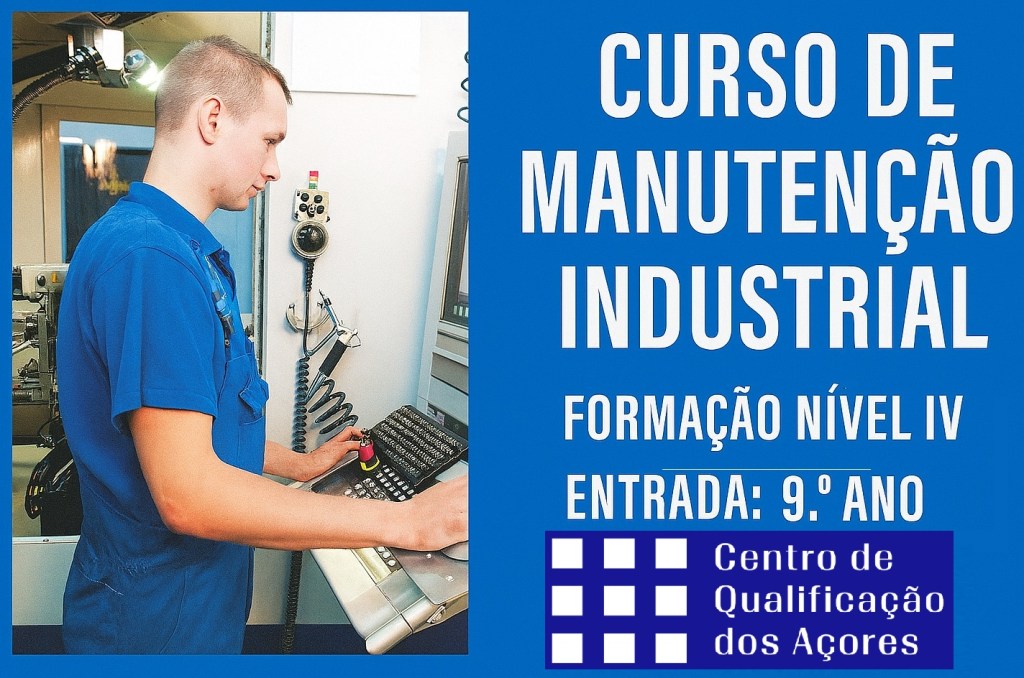
The Azores Qualification Center is a regional public institute that offers training mainly for sectors that require properly equipped workshops. We therefore offer courses in areas such as electricity, automotive mechanics, metalworking, mechatronics, and civil construction. Our courses are developed through the Azores DUAL system, which allows one-third of the training to take place in companies. Another important point is that we are setting up a business incubator, where young people leaving vocational education, regardless of which school they have attended, can have a space to develop their projects. All our training workshops are also “fablab” spaces, i.e., places where anyone can test an idea or manufacture a part. Finally, the Valorizar Network operates at the Azores Qualification Center, responsible for skills certification processes from the 9th to the 12th grade. In short, the Azores Qualification Center aims to be a place where any Azorean can find a solution to improve their qualifications, whether professional or academic.
How does the work-based training component of the DUAL Açores system work in practice?
Work-based training (FCT) is a fundamental component of DUAL Açores courses. It allows trainees to integrate into real professional environments, where they can apply the theoretical/practical knowledge acquired in training and develop technical, relational, and organizational skills essential for the labor market. WBT in DUAL Azores courses corresponds to 1/3 of the total course load, i.e., about 500 hours per year. In terms of skills development, WBT provides trainees with the opportunity to apply theoretical knowledge in practical situations, developing technical, interpersonal, and organizational skills. In terms of integration into the labor market, FCT allows trainees to consolidate the knowledge acquired throughout the course, reinforcing their learning, autonomy, and responsibility.
Regarding the concept of adaptation to organizational culture, trainees learn to adapt to the culture and dynamics of a company, which is fundamental for professional success. Companies that take on trainees benefit from excellent value for money; a skilled workforce tailored to the company’s needs; a source of qualified personnel; trainees who identify with the company’s culture; management of the company’s knowledge through the transfer of knowledge from company employees to trainees; and employees with the specific qualifications required for the job they do.
In terms of government, institutional, and European support, what is the current situation of the school?
We have our own budget, which involves a component from the government and another from service provision. We also apply for EU funding for our courses through the European Social Fund. Our process of modernizing our facilities and workshop equipment is mainly supported by the Recovery and Resilience Plan.
In general, do trainees go on to higher education after completing their vocational training?
Generally speaking, at the end of their training, our trainees join a company, with the employability of our courses being very close to 100%.
What impact do you expect the business incubator to have on local economic development?
At a time when there is so much talk about entrepreneurship, young people who complete a vocational course must have the opportunity to develop their ideas in a dedicated space. In short, it will be a physical incubation space, equipped with technical, material, and logistical support for business activities, with co-working solutions and virtual office services, to promote youth and locally-based entrepreneurship; contributing to the strengthening of self-employment, particularly among young people leaving vocational education; investing in the pre-acceleration of locally-based businesses.
What kind of support is given to former trainees who want to start their own business or continue their studies?
Our trainees benefit from the support provided by the various Regional Government services, both in the field of entrepreneurship and in terms of continuing their studies.
What are the areas of investment planned for the coming years?
In terms of infrastructure, the refurbishment of training facilities will be completed this year. This year, we are also making a major effort to modernize and refurbish workshops, particularly in the professional areas of Art and Beauty, Construction, Electricity, Electronics, Mechatronics, Automotive Mechanics, Metalworking, and Health. The aim is, once we have achieved the level of excellence we desire, to carry out periodic updates as necessary to keep us in tune with technological developments in companies.
José Henrique Andrade is a journalist for Correio dos Açores-Natalino Viveiros, the director. Photos from the Center’s Facebook page.
Translated to English as a community outreach program from the Portuguese Beyond Borders Institute (PBBI) and the Modern and Classical Languages and Literatures Department (MCLL) as part of Bruma Publication and ADMA (Azores-Diaspora Media Alliance) at California State University, Fresno, PBBI thanks Luso Financial for sponsoring NOVIDADES.

 Novidades - The Islands and the Diaspora