

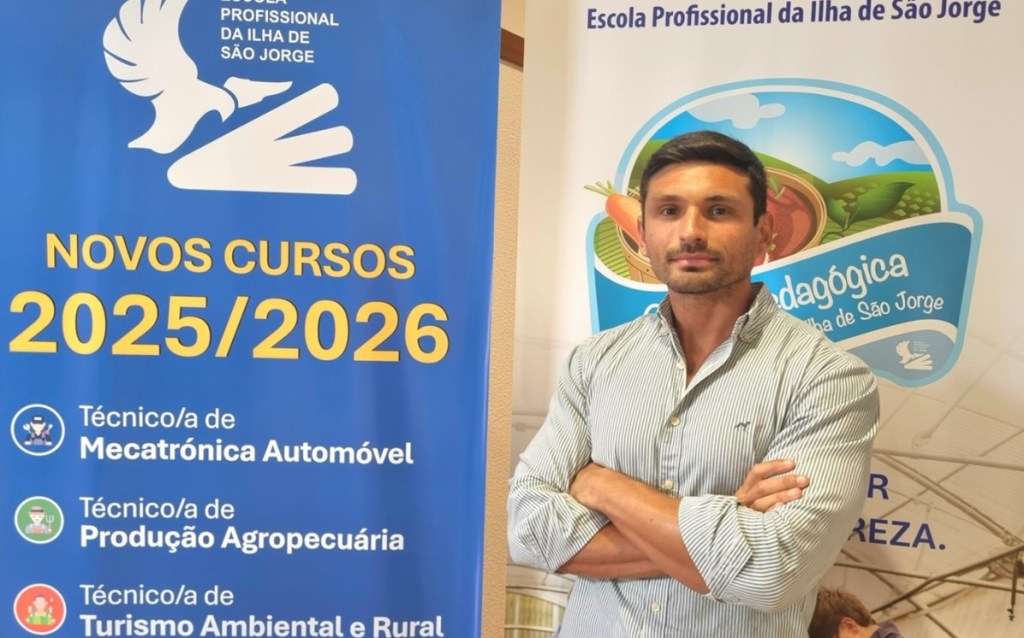
The São Jorge Island Professional School (EPISJ) is preparing for the 2025/2026 academic year with three courses (Automotive Mechatronics, Agricultural Production, and Environmental and Rural Tourism), affirming itself as a strategic pillar in qualifying young people for the regional job market. With employment rates above 94% and more than half of its students coming from other islands, the President of the Executive Board, Dário Fonseca, highlights the role of EPISJ as a driver of economic and social development in São Jorge.
Correio dos Açores – What training courses does the school currently offer?
Dário Fonseca (President of the Executive Council of EPISJ) – The Professional School of São Jorge Island (EPISJ) is already preparing for the next academic year 2025/2026, which will begin in September, with three courses: Automotive Mechatronics Technician, Agricultural Production Technician, and Environmental and Rural Tourism Technician.
In the academic year just ended, classes in Automotive Mechatronics and Agricultural Production completed their training. At the same time, five other courses are still running in these same areas, as well as in the area of Educational Action. Our training offer thus seeks to respond both to local needs and to regional labor market trends.
What sets you apart from other vocational schools in the Azores? What are your characteristics?
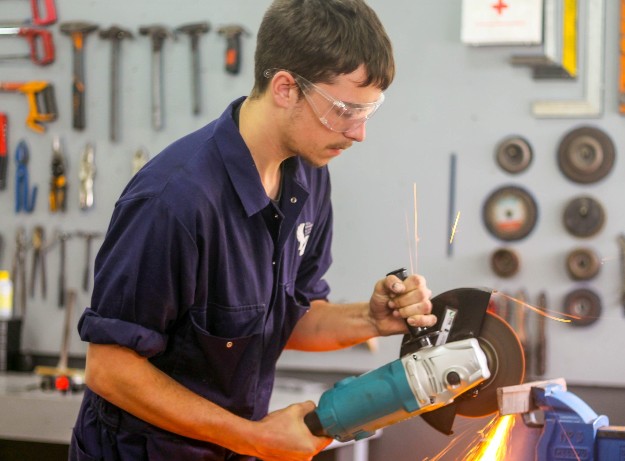
EPISJ stands out above all for two strong commitments: Automotive Mechatronics and Agricultural Production.
Mechatronics is an area in high demand in the labor market, which is reflected in an employability rate of 97.5% among our graduates. Agricultural Production is deeply rooted in the island’s identity, marked by milk production and São Jorge cheese, and agriculture is a pillar of our region. In this area, the employability rate reaches 94.2%.
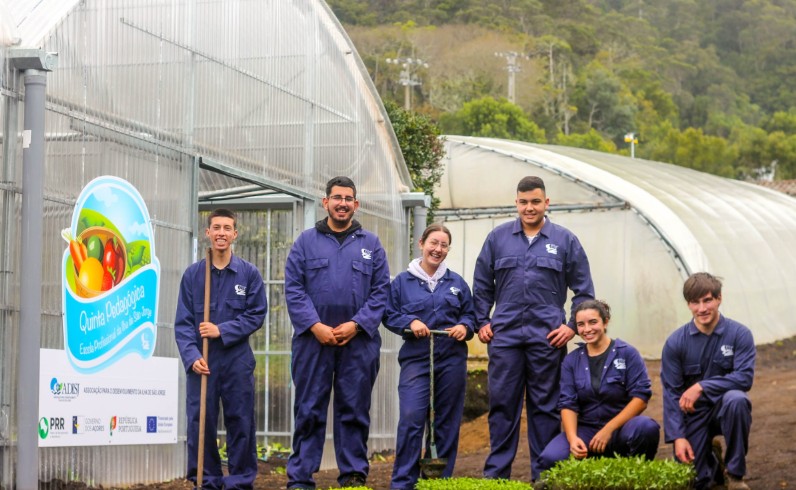
Thanks to the Recovery and Resilience Plan (PRR), we have been able to thoroughly modernize our Mechatronics Workshop, our Educational Farm, and our Computer Lab, providing excellent teaching and learning conditions.
Another feature that sets us apart is our close connection to the business community and the local community: our students start internships in their first year, always with the maximum number of hours allowed, and we offer short training courses for companies and the local population. We also invest in study visits and partnerships that reinforce the practical preparation of our students. Our goal is to be a school of reference in the Triangle, the Central Group, and throughout the archipelago.
Are there students from other islands who come to São Jorge to attend the vocational school? Is there a revitalization of the island?
About 52% of our students come from outside the island, mostly from the other islands of the Central Group, but we have also received students from Cape Verde.
Their presence has a direct impact on the local economy, whether through renting housing, restaurants, or commerce, and also on social dynamics, through integration into sports clubs and associations and community activities.
Their stay in São Jorge is indeed temporary, but this reality helps to counteract the trend of depopulation and brings youth and vitality to São Jorge.
In terms of government, institutional, and European support, what is the current situation of the school?
EPISJ’s main source of funding comes from the European Social Fund, which has been fundamental to our activity. In addition, it is important to highlight the decisive support of the Municipality of Velas, which understands the importance of our school for the socioeconomic development of the island, because without this strategic partnership, we would not have the school open, and we would not have reached the level of development and modernization that we have today. I would also like to highlight the vision of the Regional Government of the Azores, which has taken clear steps to enhance the value of vocational education. The decision to end competition between public schools in vocational education in the Triângulo islands was essential to ensure a cohesive and sustainable strategy. It is a clear sign that vocational education is now understood as a priority for the development of the islands.
In general, do graduates go on to higher education after completing their vocational course?
The primary objective of the Vocational School is to prepare qualified technicians for the job market, and the vast majority of our graduates follow this path successfully. However, there are always young people who wish to further their knowledge and choose to go on to higher education, continuing their training in the basic areas they started with us. We have several examples of former students who have followed this academic path and who make us very proud.
How does the Professional School contribute to the entry of graduates into the labor market?
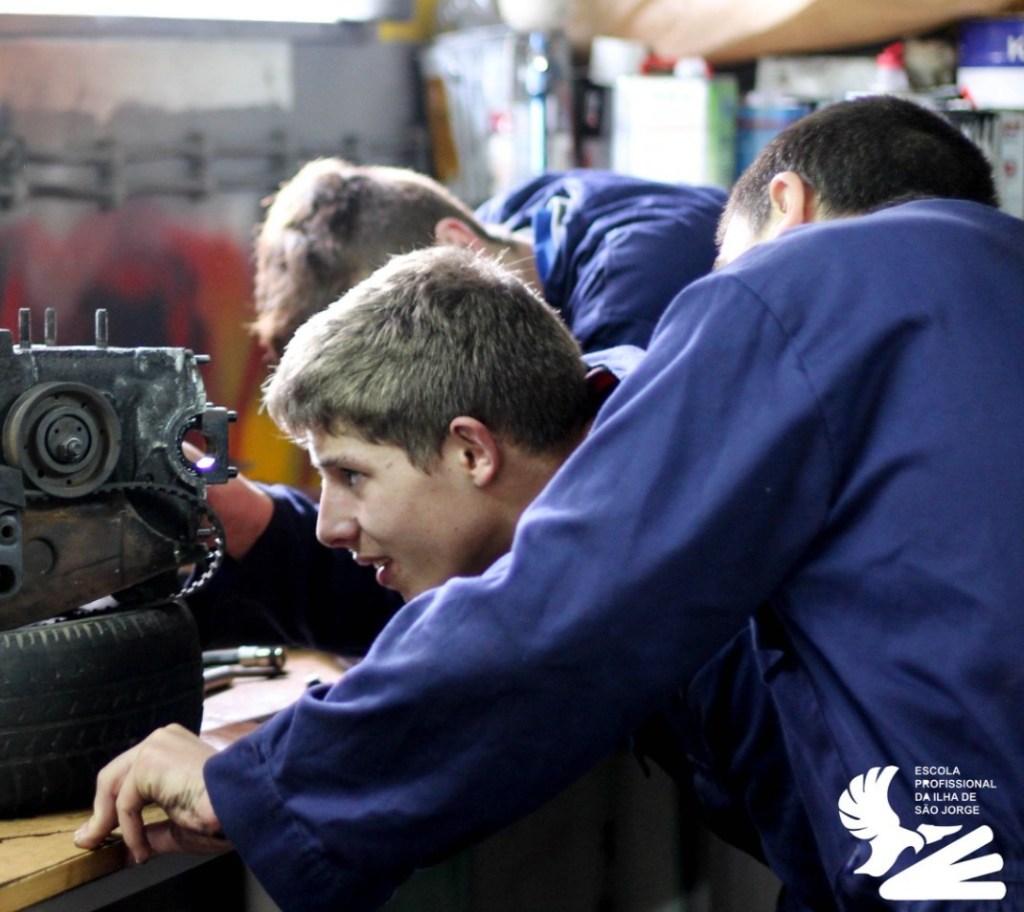
The focus on internships from the first year onwards is a hallmark of EPISJ. In the final year of the course, students undertake around three months of Work-Based Training (internship), which allows them to forge strong links with employers and gain practical experience.
We also have a Career Guidance and Placement Technician who closely monitors graduates: they help with CV writing, prepare interviews, promote the development of social skills, and liaise with companies.
Thanks to this model, our courses have a consistently high employability rate of over 90%, which makes us very proud.
What are the current needs or problems facing EPISJ?
Our school is located on the island with the smallest population among those with vocational schools. In addition, we are the only ones operating in the formerly designated cohesion islands. This context presents additional challenges, particularly in attracting students at a time when the Azores are facing a demographic decline.
More than half of our students come from outside the island, which raises one of the main difficulties: the shortage of accommodation. Added to this is the bureaucracy associated with project management and applications, which often limits the school’s agility.
Despite everything, we are fully aware of the strategic role we play in the socioeconomic development of our island: we energize the community, train highly qualified professionals, and help keep young people in São Jorge and the Central Group.
What kind of support is given to students who come from outside the island, especially in terms of social integration and accommodation?
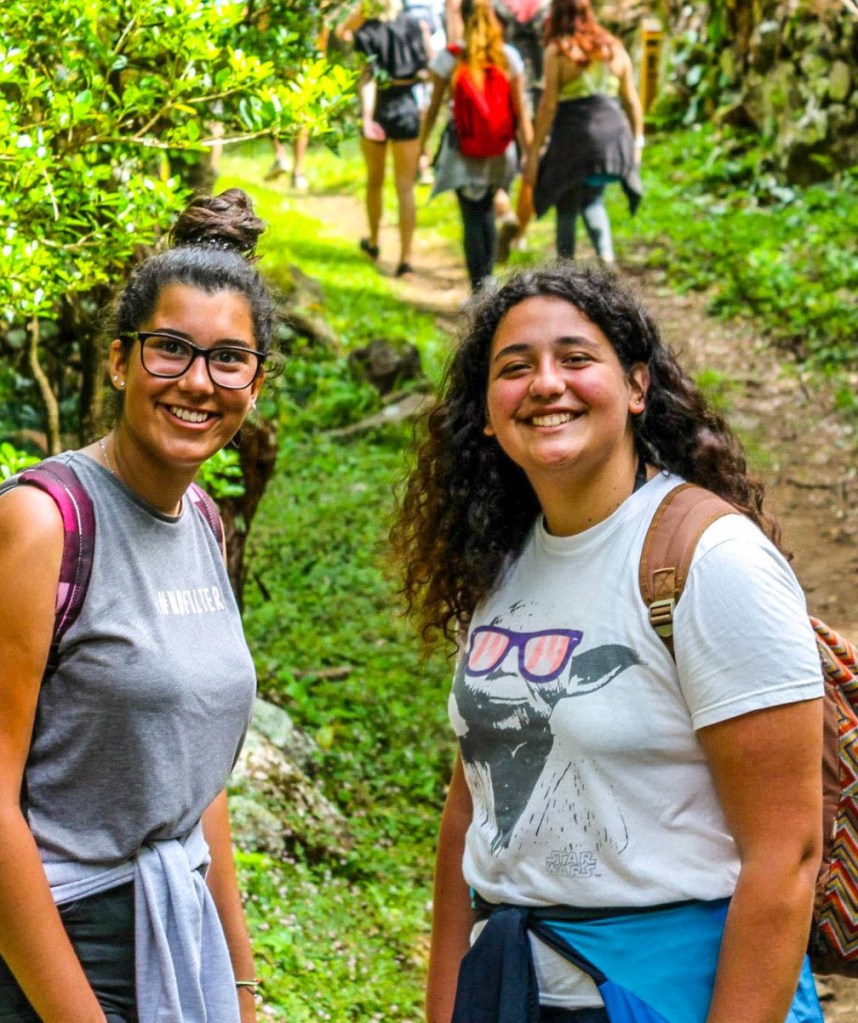
The integration of students from other islands or even other countries is a priority for EPISJ. We know that for many, it is the first time they have lived away from their families, and this requires close monitoring. To this end, we provide personalized support from the moment they enroll, helping them find accommodation and maintaining direct contact with local landlords, parents, and students. At the same time, we strongly encourage social integration: our students are supported in joining sports clubs, cultural associations, and community initiatives, which allows them to form bonds and feel part of the island. For students from other countries, our support goes even further: we accompany and help them with all the necessary paperwork for entering a new country, facilitating the adaptation process, and ensuring that they feel welcome from day one. In addition, class advisors and the technical-pedagogical team provide ongoing academic and social support, ensuring that no student is left behind. We also have a full-time psychologist who works to prevent and monitor the emotional and well-being needs of our students. The well-being of our students is essential for their academic and personal success.
Can you share a success story of a former student that represents the impact of the school?
It is impossible to choose just one case, because the truth is that the Professional School of São Jorge Island has accumulated countless success stories, all of them different but equally rewarding. We have young people who have completed their training and entered the job market in solid, leading companies; others who, while still on their internships, received job offers as a result of the quality and preparation they demonstrated. Some have decided to take the leap into entrepreneurship, starting their own businesses in the field of mechatronics or taking over family farms, bringing innovation, modernization, and new prospects for growth.
No less important is the example of graduates who have chosen careers in the civil service, now working as qualified technicians in the service of the community. And then some wanted to continue their studies in higher education, earning bachelor’s and master’s degrees in demanding fields such as engineering, among others, and who are now highly distinguished professionals. The paths taken are many and varied, but they all have one thing in common: EPISJ. The most inspiring thing for us is to follow the transformation of these young people, who enter our school at a very young age, often full of natural doubts about the future and the path to follow, and who, throughout their training, gain maturity, skills, and confidence, and leave with a direction in life and a desire to contribute positively to society.
What emerging professional areas is the school evaluating for future courses?
At EPISJ, we have a clear strategy: to consistently invest in two key areas, Automotive Mechatronics and Agricultural Production, because we know that these are fundamental sectors both for the employability of our young people and for the development of our region.
The third training area is one that we evaluate year after year, according to labor market trends and the specific needs of Azorean society. This year, we focused on the Environmental and Rural Tourism Technician course, as we recognize that tourism is one of the fastest-growing sectors in the region, a real driver of the regional economy, where there is an urgent need to train qualified and skilled technicians.
In the previous academic year, the focus was on Educational Action, precisely because we detected a shortage of professionals in this area in the region’s schools. In other words, we do not only look at economic dynamics, but also at social needs, seeking to ensure that our training offer is always relevant, useful, and capable of responding to current and future challenges.
We believe that investing in vocational training is investing in the future of the island and the region.
José Henrique Andrade is a journalist for Correio dos Açores newspaper, directed by Natalino Viveiros.

Translated to English as a community outreach program from the Portuguese Beyond Borders Institute (PBBI) and the Modern and Classical Languages and Literatures Department (MCLL) as part of Bruma Publication and ADMA (Azores-Diaspora Media Alliance) at California State University, Fresno, PBBI thanks Luso Financial for sponsoring NOVIDADES.

 Novidades - The Islands and the Diaspora