

Between January and August this year, the Portuguese Association for Victim Support (APAV) supported 49 elderly people who were victims of crime and violence in the Azores. The data was released yesterday, as part of International Day of Older Persons.
The Autonomous Region of the Azores accounted for 3.1% of the total number of victims supported, a figure higher than districts such as Coimbra, Aveiro, Viseu, and Leiria, and much higher than the 0.4% (7 elderly people supported) recorded in the Autonomous Region of Madeira.
Nationwide, in the first eight months of the year, there were 2,861 crimes and acts of violence against elderly people, and 1,557 victims were supported. 81% of crimes and acts of violence against elderly people correspond to domestic violence.
According to APAV data, 75% of victims were women and 90.7% were Portuguese nationals. The most affected age group is between 65 and 69 years old (434 victims).
Regarding the profile of known perpetrators, 57.8% were men over 65 years of age. As for the relationship between victim and perpetrator, violence in intimate relationships is mostly perpetrated by the spouse, accounting for 22.8% of cases. In the context of consanguineous relationships, family violence comes mainly from children (33.5%). The most frequent location for crimes and acts of violence is the shared residence (53.9%), with victimization occurring continuously in more than half of the cases (51.5%). Finally, complaints or reports were filed in 46.5% of cases, with the majority (84.8%) being made prior to the victim contacting APAV.
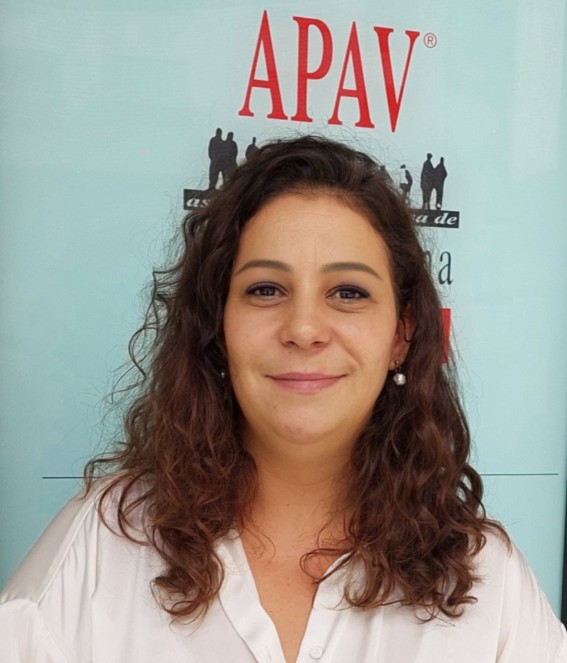
Emanuela Braga, manager at the Victim Support Office in Ponta Delgada, said that they receive two types of reports regarding violence against the elderly. “We receive two types of reports here at APAV. Some of the situations are reported by the victim themselves, who seeks our services, but when we are talking about elderly people who are victims of crime and violence, we are talking about an age group in which, in most situations, there are also requests for support from third parties, whether they are family members or neighbors, for example. Other people, who are not the direct victim, end up contacting us to report and ask for support for the elderly person who is the victim of crime.”
According to the manager, the number of complaints has grown in recent times. “We have noticed, over time, an increase in requests for support relating to violence and crime against elderly people. Over the years, we have seen, statistically, an increase in the number of requests for support and reports relating to this type of situation.”
When asked about the type of help APAV provides, Emanuela Braga stated that “we offer free and confidential support to any victim of crime, whether general, practical, or emotional, but we also provide three types of specialized support: social, legal, and psychological.”
In the case of elderly victims of crime, the manager explained that “there must be an assessment of the person’s needs, whether or not they wish to report the situation to the authorities, and if so, we can assist the person in filing a criminal complaint. We accompany them throughout the criminal process and, when necessary, prepare procedural documents, such as suggesting the application of coercive measures, in terms of legal support.”
“At the same time, we also provide psychological support when victims have this type of need. We have to take into account that when we talk about elderly people, it is not always easy to intervene, given their particularities, their vulnerabilities, and because, in most cases, the violence is perpetrated by someone close to them, such as a husband, wife, child, or grandchild. And there is a great deal of ambivalence on the part of the person in filing a criminal complaint, for example, or in requesting a coercive measure against the aggressor. Because, deep down, they don’t want anything bad to happen to them and often the request is just for that situation to end, but they don’t wish harm on their family member. Therefore, this intervention is not always easy,” concluded Emanuela Braga.
In Correio dos Açores-Natalino Viveiros, director
Translated into English as a community outreach program by the Portuguese Beyond Borders Institute (PBBI) and the Modern and Classical Languages and Literatures Department (MCLL), in collaboration with Bruma Publication and ADMA (Azores-Diaspora Media Alliance) at California State University, Fresno. PBBI thanks Luso Financial for sponsoring NOVIDADES.

 Novidades - The Islands and the Diaspora