


PhD student Joana Goulart, a researcher at OKEANOS, has published a study analyzing the impact of cooking methods, specifically “baking, boiling, frying, and grilling,” on the nutritional quality of sea bream and blackthroat seaperch. The study concludes that grilling is the most suitable method for sea bream, while boiling is the most beneficial for blackmouth, preserving minerals and essential fatty acids, and having positive effects on cardiovascular health.
PhD student Joana Goulart, a researcher at the OKEANOS Institute – University of the Azores, has published the second scientific article of her thesis, an innovative work dedicated to studying the effect of cooking methods (baking, boiling, frying, and grilling) on the mineral and fatty acid composition of two species typical of the archipelago: red seabream (Pagellus bogaraveo) and black seabream (Helicolenus dactylopterus).
The results obtained reveal conclusions of interest for both regional gastronomy and nutrition science: the cooking method with the least loss of mineral and lipid quality is grilling for red seabream and boiling for black seabream.
The research is based on a clear premise: “Demersal fish are essential to the gastronomy and economy of the Azores, highlighting the importance of preserving their nutritional quality, which requires further research into the suitability of the cooking methods used.”
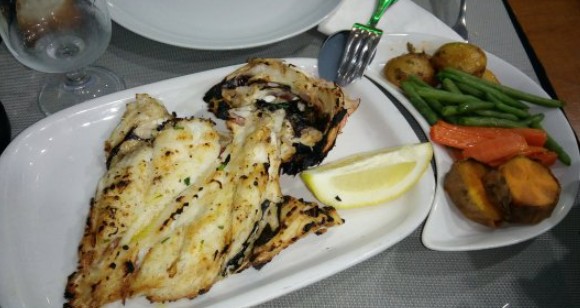
As many readers will know, red seabream and black seabream are among the most highly valued species in the Azorean market. The study indicates that these are a fundamental source of high-quality protein and essential fatty acids, known for their cardiovascular health benefits. However, the way they are cooked can significantly alter their nutritional value.
Goulart analyzed in detail several parameters of the fish’s chemical composition after cooking. “Parameters such as water loss (calculation), moisture and ash (thermogravimetry), total fat (acid hydrolysis with extraction process), and fatty acid profile (gas chromatography with flame ionization detection) were analyzed. A one-way analysis of variance (ANOVA) was performed to compare the sample means and identify significant differences between species.” These analyses enabled comparison of the impact of each cooking technique on the preservation of minerals, fats, and unsaturated fatty acids, which are essential for health.
Grilling retained the highest mineral content, while all cooking methods resulted in unsaturated fatty acid/saturated fatty acid ratios above the recommended values, confirming the high nutritional quality of both species. In other words, even after cooking, both sea bream and blackmouth grouper maintain a lipid composition considered healthy, with levels of unsaturated fats higher than saturated fats, an indicator of quality for the human diet.
The research also included the assessment of lipid health indices, such as the quality of fresh lipids, the atherogenicity index, the thrombogenicity index, the health promotion index, the polyene index, and the hypocholesterolemic/hypercholesterolemic ratio. These parameters provide insight into the impact of fish consumption on cardiovascular disease prevention and lipid metabolism balance.
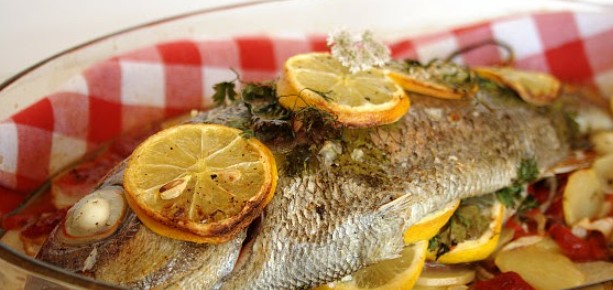
Based on these measurements, the study concludes that “grilling is the most suitable method for red seabream (Pagellus bogaraveo), while boiling is preferable for black seabream (Helicolenus dactylopterus).”
The reason, explains the researcher, has to do with differences in the tissue structure of each species and how nutrients react to heat. Red seabream, for example, retains its minerals and beneficial fatty acids better when grilled, while black seabream preserves its lipid quality when boiled.
“The results highlight the impact of cooking methods on the nutritional value of these fish species, reinforcing their role in promoting cardiovascular health.”
High nutritional quality of species in the Azores Sea
The data obtained supports the “high nutritional quality of both species as part of a healthy diet, regardless of the cooking method used,” the article reads. However, the choice of cooking method can amplify or reduce the benefits of consuming these species. As the study points out, “significant differences were observed between the cooking methods for both species, demonstrating that the choice of preparation can positively or negatively impact their nutritional quality and health benefits.”
Thus, although fish remains one of the best sources of protein and healthy fat, “it is essential to assess the nutritional impact of different processing methods,” especially in view of the increasing global demand for fish as a source of high-quality protein.

“This study reinforces the dietary value of these commercially important demersal species, even after cooking, emphasizing the need to adjust specific cooking techniques to each species to optimize nutritional retention.” The researcher also argues that the work now published opens the door to new lines of research, not only on red seabream and black seabream, but also on other bottom species abundant in the Azorean seas.
“Future research should expand the analysis to a wider range of Azorean demersal species, exploring the effects of culinary processing on the composition of amino acids, macro and trace elements, toxic elements, and vitamin content.” Another essential aspect will be to better understand the bioaccessibility and bioavailability of nutrients after cooking, allowing for a more complete assessment of the risks and benefits of fish consumption and its overall impact on human health.
José Henrique Andrade is a journalist for Correio dos Açores-Natalino Viverios, director.
Translated into English as a community outreach program by the Portuguese Beyond Borders Institute (PBBI) and the Modern and Classical Languages and Literatures Department (MCLL), in collaboration with Bruma Publication and ADMA (Azores-Diaspora Media Alliance) at California State University, Fresno. PBBI thanks Luso Financial for sponsoring NOVIDADES.

 Novidades - The Islands and the Diaspora