

The state of near-public calamity in regional debt has reached a point that warrants coverage on national television news. A few days ago, SIC’s television news opened with the nightmarish figures of this financial disaster. Regional public debt has increased by a staggering 42% in just four years, reaching more than €3.4 billion.
Of this, more than €1 billion is the responsibility of the current regional government, led by José Manuel Bolieiro, supported by the PSD/CDS/PPM coalition, with the parliamentary approval of Chega and, it seems, surrealistically, also of the PS-A. But we’ll get to that later.
According to experts, this per capita debt means that each of us, poor taxpayers, owes around €14,000. This is a difficult burden to comprehend, given the level of our taxes and the balances in our bank accounts. I was afraid to check, but it seems that these are future liabilities. Don’t tell my daughters, poor things, they don’t know yet.
But the bad news doesn’t stop there. The budget deficit exceeds €165 million. The regional public administration’s financing needs last year exceeded €247 million. Debt to suppliers already exceeds €400 million, and the region’s rating remains stagnant at BBB, meaning that international financial rating agencies classify the region’s risk of default as moderate, in contrast to Madeira and the Republic.
SATA’s debt has already reached 400 million, while Portos dos Açores’ is around 270 million. If we add to this the increase in the cost of living and inflation that remain above 2%, we are facing a pre-bankruptcy situation that should concern us all, several times a day.
The situation is such that only an upward revision of the Regional Finance Law could save the regional economy, which, in practice, would amount to a kind of financial bailout, albeit without the heavy hand of a continental Troika to bring order to our excesses.
These excesses are already inspiring unflattering epithets. A dear friend of mine, who is right-wing, jokingly but accurately calls the Secretary of Finance “Freitas of the badly done accounts.” And in business circles, you can already hear people whispering: “Come back, Sérgio Ávila, you are forgiven.” Because there was debt, it is true, but at least there was money —a kind of retroactive indulgence for one of the figures most deeply associated with the collapse of socialist governance. Now, on the contrary, there is debt but no money, with many small and medium-sized entrepreneurs still waiting to receive support from the COVID era.
It is precisely this scenario that leads me to the Socialist Party’s strategy— or lack thereof. Faced with this demonstration of total incompetence and lack of vision from the worst regional government ever, the PS-Azores, through the voice of its leader, suggests that it is not only willing to make the Regional Budget viable, but also willing to grant a kind of free rein to Bolieiro’s government until 2029, stating that the PS-A wants a long reassessment of “three years without elections” in order, in his words, “to make itself known.”
At a time when the Socialist Party should be asserting itself as the only solid alternative to power, saying “present” at this critical moment in regional life, it seems more concerned, with or without the “Estates General,” with saving its leader than with saving the Azores from the calamitous drift in which the governance of the islands finds itself.
Sá Carneiro’s old maxim about politics without ethics and without risk is well known. From what we can see, the Socialist Party of the Azores does not seem to want to take risks, nor does it seem ashamed of not doing so.
Between financial bankruptcy and political complacency, the region lives at the expense of debt… and a lack of courage.
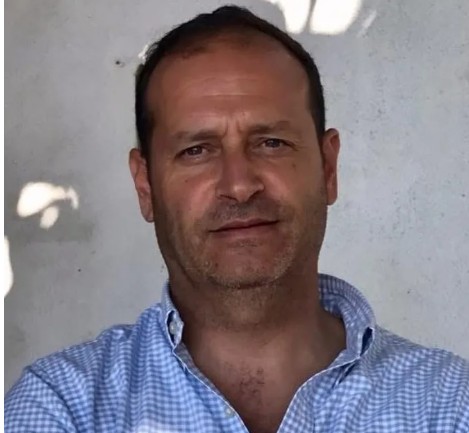
Pedro Arruda is a regular contributor to Azorean newspapers. We are thankful that he agreed to have his op-ed translated and available to our readers.
NOVIDADES will feature occasional opinion pieces from leading thinkers and writers in the Azores, providing the diaspora and those interested in the current state of the Azores with a sense of the significant perspectives on some of the archipelago’s issues.
Translated to English as a community outreach program from the Portuguese Beyond Borders Institute (PBBI) and the Modern and Classical Languages and Literatures Department (MCLL).
You can follow his writings in Portuguese online on: https://azoreansplendor.blogspot.com/
 Novidades - The Islands and the Diaspora