

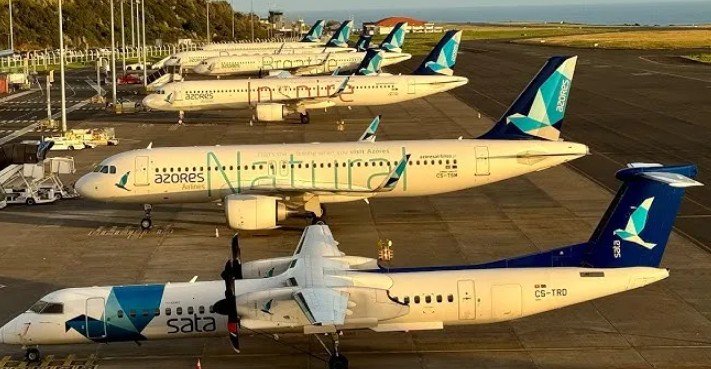
The request to Brussels (which appears to have been granted) to postpone the restructuring (and perhaps privatization) of Azores Airlines until December 2026 came as a surprise. It did not prompt much analysis in the regional parliament, which was understandably very busy discussing the 2026 Budget Plan. The official explanation is that the privatization process has concluded, believing that the proposal submitted last Monday has legs to stand on. In the eyes of ordinary mortals, it seems unjustified to take so long to pass the baton to the next customer. But we may be wrong, and things may be more complex than they appear. In fact, one of the prominent members of the consortium bidding for privatization, in statements to the media, estimated that, if all goes well, he would “be sitting in the company’s cockpit in the second half of next year.”
The jury responsible for analyzing the process has already received the proposal and will provide its opinion. It is not known how long it will take to do so, nor are all the procedures for transferring 85% of the company to the new shareholder known, if the deal goes through. This is all information that is not in the public domain and that the government should promote so that we are all aware of the process and the associated costs. We dare to say that most Azoreans would not like to see Azores Airlines go, but given its proven unviability in the public sphere, the only solution is to hand it over to someone who can turn it into a profitable business and who will at least defend the interests of the Azores.
This is because what is on the table is for the Region to retain 15% of the company, aiming to eventually secure a place on the board of directors and thus influence decisions to the benefit of the Azores. On the other hand, of course, it will have to contribute its respective percentage to future capital increases, as well as assume future debt in the same proportion, if any. But we are dealing with a small company in the aviation sector, so the foreseeable timeline of another year for the privatization process to be completed seems enormous. Let us imagine a similar process with the privatization of TAP, which currently has three candidates. Comparing the company’s size to that of Azores Airlines would probably take years. This is the idea that is circulating in coffee shop conversations. Speculation is rife and increases the less information is made available to the public. Without prejudice to negotiations and without revealing confidential information that could jeopardize the process, we believe that the Azoreans have the right to know in detail what is happening and the reasons for the lengthy timetable. The fact is that they (the Azoreans) should not only be invoked when thunder strikes.
In Diário Insular-José Louren’ço, director, and Armando Mendes (PhD), editor-in-chief.

NOVIDADES will feature occasional opinion pieces from various leading thinkers and writers from the Azores, providing the diaspora and those interested in the current state of the Azores with a sense of the significant opinions on some of the archipelago’s issues.
Translated to English as a community outreach program from the Portuguese Beyond Borders Institute (PBBI) and the Modern and Classical Languages and Literatures Department (MCLL).
 Novidades - The Islands and the Diaspora