

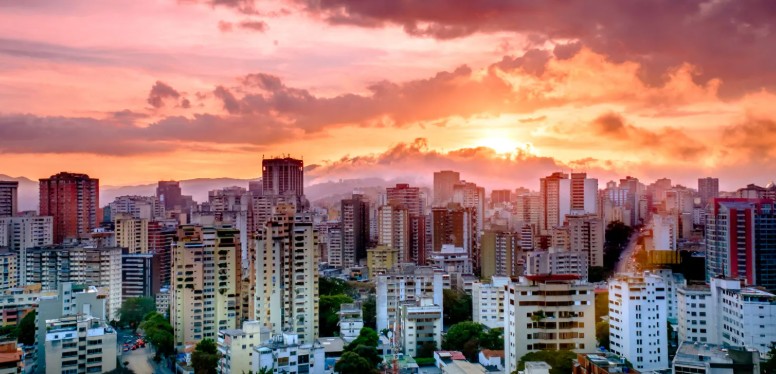
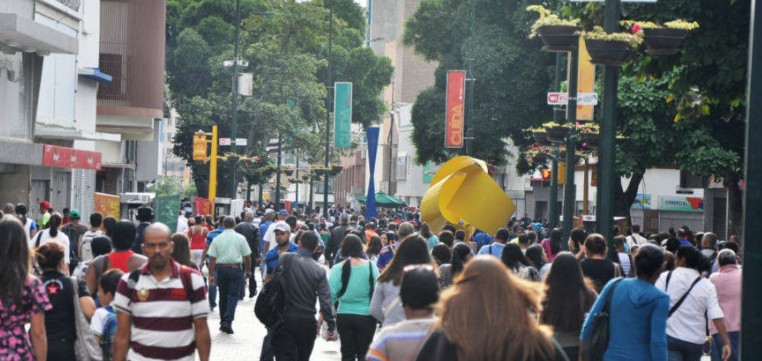
The head of the Venezuelan association in Madeira (Venecom), Ana Cristina Monteiro, said today that the Madeiran community in Venezuela is divided between uncertainty and expectation about a possible US intervention in the country. “Everyone has a little uncertainty and doubts about what will actually happen,” the Portuguese descendant living in Madeira told the Lusa news agency.
Ana Cristina Monteiro said that, in the conversations she has had, some people tell her they are “calm and waiting to see what might happen, while others believe that the US warning, which started all this, is a safety measure for Venezuelans themselves and, obviously, for Madeirans” inside Venezuela. Many are hopeful that it may be “for the good of Venezuela, to achieve freedom,” she added. She also said that there are others who “are afraid” and still others who “are a little tired and want a definitive solution.”
Ana Cristina Monteiro emphasized that the total closure of airspace and the fact that TAP is prevented from flying to and from Venezuela is “directly affecting Portuguese nationals and those of Portuguese descent,” especially at this time of year when many families travel to reunite. “Although the news reports say that Maquieta airport in Venezuela is partially operational, this whole situation obviously affects reunions and families,” she stressed.
The country has a significant community of Portuguese and Portuguese descendants, being one of the main destinations for emigration from Madeira. In 2019, estimates pointed to around 300,000 people
Under the pretext of combating drug trafficking, Washington has maintained a naval and air detachment in Caribbean waters near Venezuela since September, even mobilizing the world’s largest aircraft carrier to the region. On November 21, the US Federal Aviation Administration (FAA) recommended “extreme caution” when flying over Venezuela and the southern Caribbean due to what it considers “a potentially dangerous situation” in the region. Several airlines, including TAP, then suspended their flights to that country.
The Venezuelan government subsequently revoked the operating licenses of TAP, Iberia, Avianca, Latam Colombia, Turkish Airlines, and Gol, accusing them of “joining the acts of terrorism” promoted by the United States. These decisions come amid growing tensions between Venezuela and the United States.
On Thursday, US President Donald Trump even admitted to ground attacks on Venezuelan territory in the fight against drug cartels. On Saturday, Trump warned that Venezuela’s airspace should be considered “totally closed,” a statement that Caracas condemned and classified as a “colonialist threat.”
The Portuguese consulates-general in the Venezuelan cities of Caracas and Valencia have made emergency telephone lines available to Portuguese citizens living in Venezuela, with the aim of ensuring protection and assistance for their compatriots.
The President of the Republic, Marcelo Rebelo de Sousa, said on Saturday that he is closely monitoring the situation in Venezuela, reaffirming his concern about the difficult times the Portuguese community is going through.
From LUSA news service through a story published in Jornal da Madeira.
Translated into English as a community outreach program by the Portuguese Beyond Borders Institute (PBBI) and the Modern and Classical Languages and Literatures Department (MCLL), in collaboration with Bruma Publication and ADMA (Azores-Diaspora Media Alliance) at California State University, Fresno. PBBI thanks Luso Financial for sponsoring NOVIDADES.
 Novidades - The Islands and the Diaspora