


The number of young people who settled into agriculture on an exclusive basis in the Azores in 2025 reached 86, representing the highest number of young farmers in the past ten years, according to information from the Regional Secretariat for Agriculture and Food.
According to official data, 42 young people entered dairy production; 19 meat production; four horticulture; four floriculture; two viticulture; four fruit growing; two pig farming; two combined dairy and meat production; one meat and vineyard production; two horticulture, fruit growing, and vineyard production; two meat production and vegetable growing; one horticulture and floriculture; and one mushrooms and beekeeping.
“These young people represent strong hope for local agri-food production, within a trend that is gradually reversing dependence on imported food,” the Regional Secretary for Agriculture and Food told DI.
“A region that does not produce food for its own population is a poor and insecure region,” António Ventura stated.
According to the regional official, “new young people in agriculture bring with them economic and social advantages for the Azores, such as population retention, greater diversification of agricultural and livestock-based food production, generational succession that ensures the future, rapid adoption of new technologies, and the emergence of new businesses.”
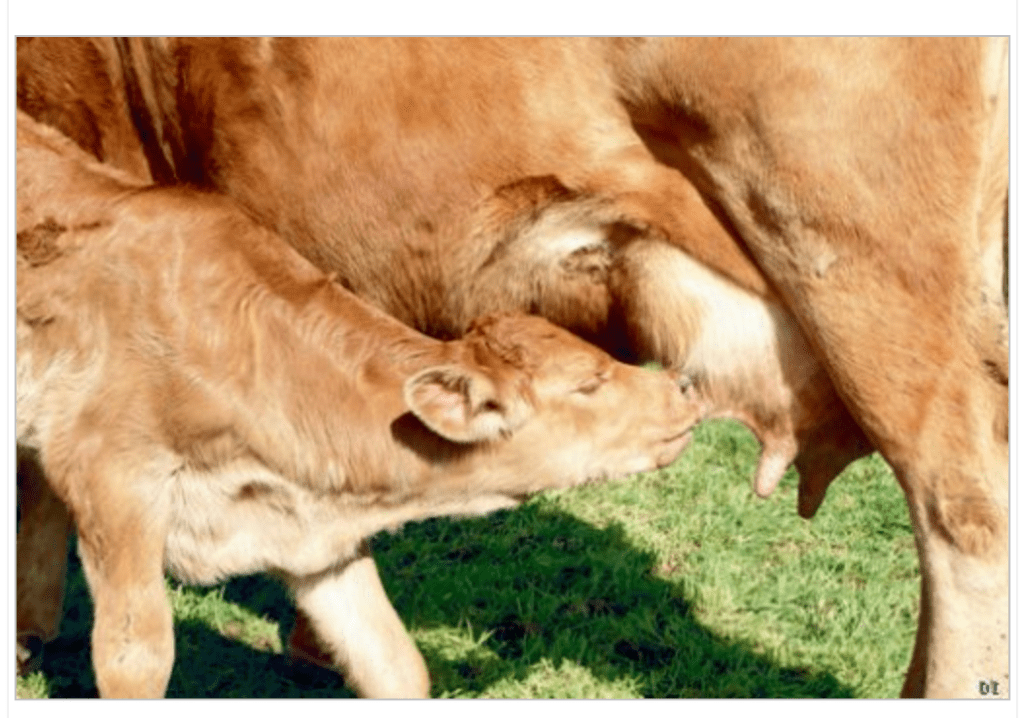
THE CAUSES
Among the factors explaining the growth in young people’s engagement with agriculture, António Ventura highlights “regional public policy, particularly measures related to the security and predictability of farmers’ incomes.”
Ventura emphasizes the end of cuts to community support as of 2021, “which helped restore confidence among farmers—meaning that the support announced is the support paid, something that did not occur before 2021, when community aid was announced but then paid through proportional reductions.”
He added that “the publication of a set of new support measures for local agricultural production, along with the financial increase of the installation premium for young farmers, also contributed decisively.”
According to the Regional Secretary for Agriculture, the PRORURAL+ program was particularly relevant, as it ensures that “the premium for a young person setting up in agriculture for the first time is €55,000, without discrimination by area or agricultural sector, as was the case before the program was amended.”
In addition to this support for young people who dedicate themselves exclusively to agriculture, “a €15,000 premium is also предусмотрed for young people who wish to become farmers without exclusive dedication, an aid included in the Strategic Plan of the Common Agricultural Policy (PEPAC).”
António Ventura concludes that “with the current legislation, an invitation has been extended—unprecedented in the Azores—for young people to return to agriculture.”
In Diário Insular, José Lourenço-director
Translated into English as a community outreach program by the Portuguese Beyond Borders Institute (PBBI) and the Modern and Classical Languages and Literatures Department (MCLL), in collaboration with Bruma Publication and ADMA (Azores-Diaspora Media Alliance) at California State University, Fresno. PBBI thanks Luso Financial for sponsoring NOVIDADES.

 Novidades - The Islands and the Diaspora