

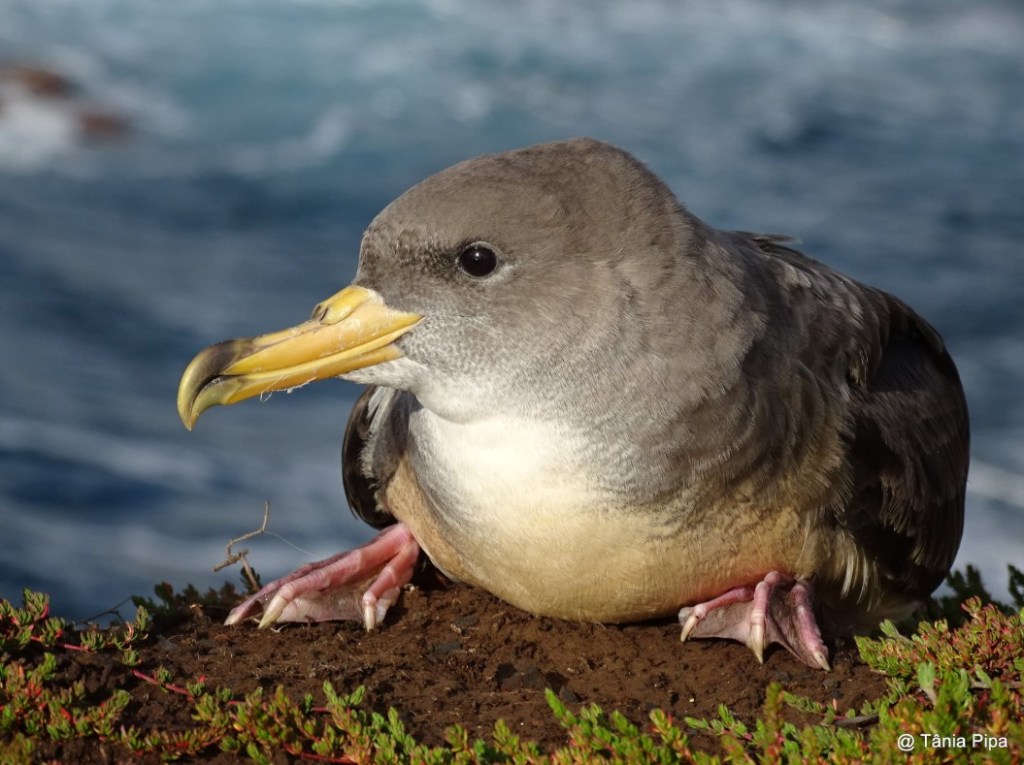
The Regional Secretary for the Sea and Fisheries, Mário Rui Pinho, underscores the SOS Cagarro Campaign as one of the Azores’ most significant and enduring measures to mitigate light pollution, emphasizing that this initiative—now approaching three decades of continuous action—has evolved into a mature, structured operational response and stands as a compelling example of sustained civic engagement in environmental stewardship.
Although coordinated by the Regional Directorate for Maritime Policy (DRPM), the SOS Cagarro Campaign is, at its core, a collective endeavor. It brings together public institutions, non-governmental organizations, associations, volunteers, and citizens in a shared commitment to safeguarding one of the Azores’ most emblematic seabird species, transforming environmental responsibility into a deeply rooted community practice.
According to the most recent assessment, the 2025 campaign resulted in the recovery of 7,890 birds across the Region, of which 7,577 juveniles were successfully returned to the sea. During this particularly vulnerable phase of the birds’ life cycle, the DRPM ensured the referral and treatment of injured specimens through contractual partnerships with seven veterinary clinics across the islands, thereby ensuring timely technical responsiveness and high standards of animal welfare.
“Thanks to this broad and coordinated involvement, we were able to ensure the territorial coverage and operational effectiveness essential to reducing juvenile mortality during their first flight,” noted Mário Rui Pinho. He highlighted the indispensable contributions of partner organizations such as APPAA, SPEA, Montanheiros, Marine Waste, Asas do Mar, and the Azores Sea Observatory, as well as the decisive support of security forces, firefighters, and local authorities.
The Regional Secretary further emphasized that the Government is advancing a comprehensive strategy to assess and mitigate the impacts of light pollution through an integrated approach that aligns biodiversity conservation with energy efficiency and spatial planning. In this context, he cited the LuMinAves project, which is developing a manual of good lighting practices, and the Region’s current participation in the Natura@Night project. These initiatives, developed in close collaboration with technicians, Nature Watchers, scientific partners, and environmental associations, promote continuous monitoring, protection, and management of seabird nesting colonies, fully aligned with the objectives of LIFE IP Azores Natura and reinforcing coherence between seabird conservation and regional strategic planning.
In closing, Mário Rui Pinho reaffirmed the DRPM’s commitment to recognizing and valuing the contribution of all stakeholders involved, stressing the importance of continued evaluation, openness to improvement, and the collective strengthening of the campaign’s effectiveness in ensuring the long-term conservation of the Cory’s shearwater.
In the end, the SOS Cagarro Campaign transcends the boundaries of environmental action to become a quiet ethic of belonging. It is the expression of an archipelago that has learned to listen to its nights, to the sea, and to the fragile passage of life taking wing for the first time. Each rescued cagarro embodies a silent covenant between human presence and the natural world, between light, as a symbol of progress, and darkness, as a necessary refuge. By protecting the first flight of this emblematic seabird, the Azores affirm a deeper vocation: to inhabit their territory with care and foresight, to reconcile knowledge with humility, and to ensure that development does not eclipse responsibility. In safeguarding these nocturnal journeys, the Region reclaims an ancient wisdom—that true stewardship lies not in domination, but in attention, restraint, and the shared duty to leave the night whole enough for future wings to rise.
Adapted from a Press Release
Translated into English as a community outreach program by the Portuguese Beyond Borders Institute (PBBI) and the Modern and Classical Languages and Literatures Department (MCLL), in collaboration with Bruma Publication and ADMA (Azores-Diaspora Media Alliance) at California State University, Fresno. PBBI thanks Luso Financial for sponsoring NOVIDADES.

 Novidades - The Islands and the Diaspora