

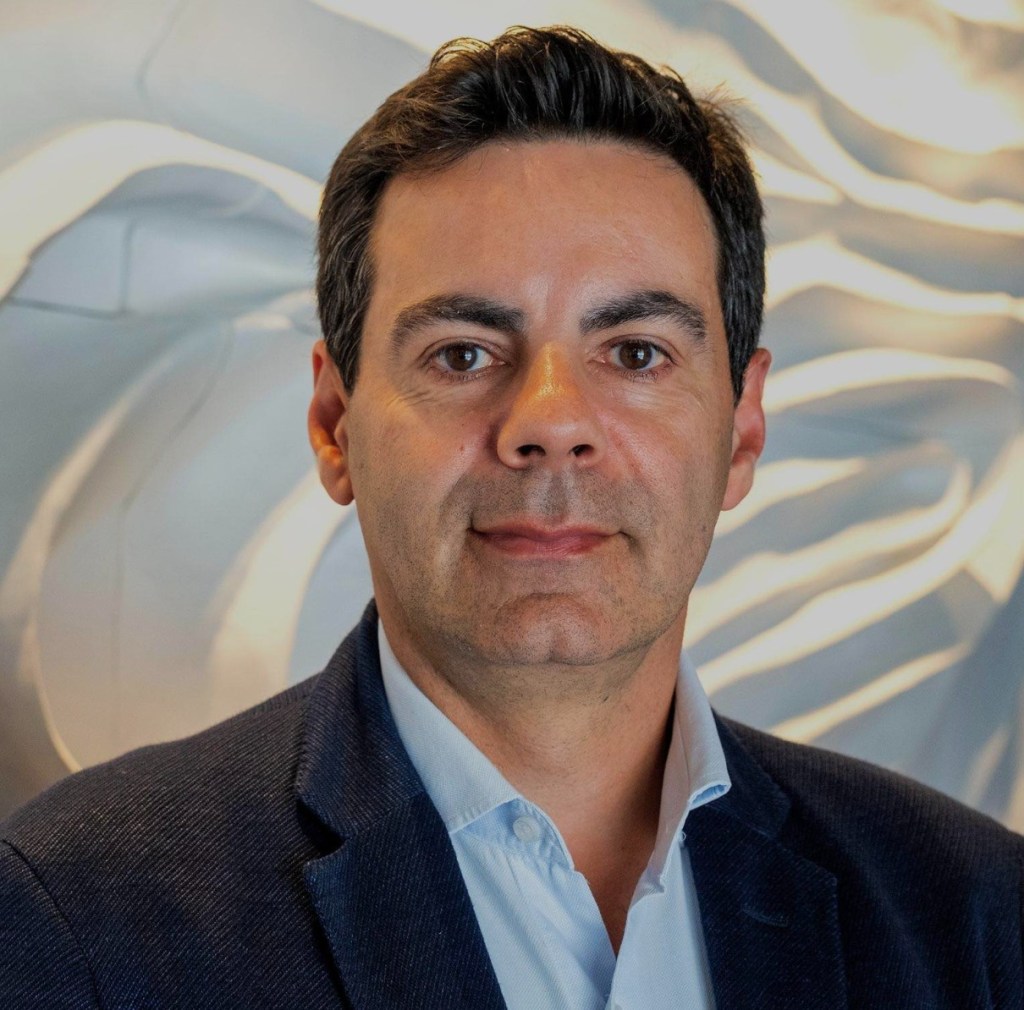
Frederico Sousa, the current president of the Câmara Municipal da Lagoa, began a new term last year. In an interview with Correio dos Açores, the mayor reflects on a year marked by the completion of structural projects in housing, mobility, social intervention, and urban development—an agenda he says “culminated in the recognition shown by the people of Lagoa in the October municipal elections.” Looking ahead to 2026, Sousa identifies priorities including new housing construction, redevelopment of the waterfront, construction of a new wastewater treatment plant (ETAR), construction of a major water pipeline, andexpansion of the Tecnoparque, calling the coming year “decisive for the continued development of the municipality.”
Correio dos Açores — How do you assess last year, and in which sectors did the municipality see the greatest progress and investment?
Frederico Sousa (Lagoa’s Mayor) — 2025 was, above all, a year of achievement, development, and the realization of major structural projects. It was a strong year for Lagoa, with significant projects completed across housing, mobility, social policy, and urban development. That work culminated in the clear recognition expressed by the people of Lagoa in the October municipal elections, which recorded the highest voter turnout in the municipality’s history.
Which goals were not achieved, and what constraints prevented their completion?
Time in politics is always scarce, which means we must concentrate all our energy on the defined project without losing focus. The main constraints were public procurement requirements, bureaucratic hurdles to accessing European funds, and the limited capacity of the construction and design sectors.
What concerns or gaps do you believe still persist in the municipality?
Our main concerns remain the need for more housing, better mobility, and a stronger local economy. The challenges are many, and every day we work to mobilize efforts and create synergies to lift the municipality to a higher level of progress and well-being. To that end, we have identified structural projects for Lagoa, supported by the PRR and the PO 2030, precisely in these areas.
Given the Municipal Budget for 2026, what room for maneuver exists to move toward the stated objectives?
Once the constraints mentioned above are overcome—particularly the labor shortage in the construction sector—the municipality will do everything possible to advance the proposed goals.
What are the municipality’s main ambitions and priorities for 2026?
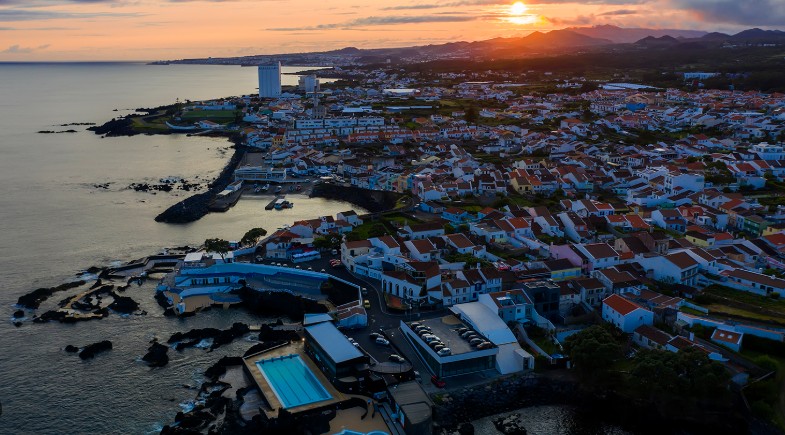
The municipal executive views 2026 as a decisive year for the municipality’s continued development. We expect that, through PO 2030 and the PRR, it will be possible to launch major investments, including new housing construction, theredevelopment of the waterfront, the construction of a new ETAR, the main water pipeline, and the expansion of the Tecnoparque.
Our commitment in the coming years is to focus on what matters most to the people of Lagoa. Among the key measures for the municipality, I would highlight:
- The construction of affordable rental housing and serviced plots for self-building, enabling us to respond to as many families as possible—especially young people and working households who still struggle to secure decent housing.
- The expansion of the Tecnoparque includes additional housing, business facilities, and sports infrastructure.
- The redevelopment of the waterfront, the creation of new bathing areas, and the improvement of existing ones, with the goal of transforming the city.
- The implementation of the “Urbana” minibus network, coordinated with local taxi operators and serving all parishes, alongside the opening of new roads and additional parking areas.
- The installation of an advanced Lagoa Fire Brigade outpost, equipped with first-response resources, to strengthen emergency response.
- Support for small businesses and entrepreneurs through the Lagoa Investe program.
- The creation of a Municipal Market in the city of Lagoa to energize local commerce and producers.
- Reinforcement of water supply and sanitation systems, including the construction of a wastewater treatment plant in Rosário.
Beyond these initiatives, we also aim to advance projects that depend on coordination and cooperation with other entities, such as the rehabilitation of the Alcohol Factory—preserving heritage while activating a complex with exceptional potential and a prime location—and the strengthening of road safety through a network of speed-control radar systems.
We also plan to widen the SCUT roadway in the Santa Cruz section and build a new northern access near the Convent, improving safety on the existing stretch and increasing accessibility in this expanding area.
It is equally urgent to begin the redevelopment of the Padre João José do Amaral Integrated Primary and Middle School, transferring the existing sports pavilion to municipal management in order to strengthen support for sports clubs and activities across the municipality.
Finally, it is imperative to reinforce social services: expanding childcare capacity, strengthening support for the elderly through home-care services, enlarging the Santo António nursing home, and creating a decentralized elder-support center in Água de Pau. These efforts will be carried out in collaboration with IPSS organizations and the Regional Government, alongside continued joint work with the Regional Government to address addiction issues and support affected families.
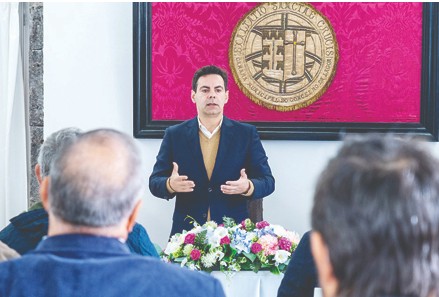
What challenges are already identified for the coming year?
Improving and strengthening mobility, creating and upgrading public spaces, and building affordable housing for working young households are among the top priorities. These initiatives are planned and designed to be implemented over the coming years, alongside the launch of all procedures necessary to achieve the objectives outlined above—particularly investments supported by European funds.
What message would you like to leave with the community?
My guiding principle remains the same: commitment and respect for the word given, with a duty to honor the past while looking forward with determination. We begin a new year and a new cycle with confidence, a strong sense of responsibility, and renewed dedication to public service. The challenges ahead are demanding, but we have the capacity, experience, and determination to meet them. We will continue to work with proximity, transparency, and dialogue. May this be a year of unity, hard work, and hope—for a Lagoa with a future.
Diogo Simões Pires is a journalist for Correio dos Açores-Natalino Viveiros, director
Translated into English as a community outreach program by the Portuguese Beyond Borders Institute (PBBI) and the Modern and Classical Languages and Literatures Department (MCLL), in collaboration with Bruma Publication and ADMA (Azores-Diaspora Media Alliance) at California State University, Fresno. PBBI thanks Luso Financial for sponsoring NOVIDADES.

 Novidades - The Islands and the Diaspora