


Medical teleconsultations carried out within the Regional Health Service (SRS) of the Autonomous Region of the Azores totaled 19,969 in 2025, an increase of 1,235 compared with 2024 (18,734), representing a 6.59% rise, according to the attached statistical data drawn from the Azores Health Information System (SISA), last updated on January 9, 2026.
Across public hospitals and Island Health Units (USI), however, teleconsultations continue to account for a relatively small share of overall activity: in 2025 they represented 1.52% of all medical consultations (1,315,244), up slightly from 1.42% in 2024 (1,320,626).
A breakdown by sector reveals contrasting trends. In public hospitals, teleconsultations declined slightly in absolute terms, falling from 12,681 in 2024 to 12,476 in 2025 (down 205, or −1.62%), despite an increase in total hospital medical consultations from 366,976 to 379,483. As a result, the share of teleconsultations in hospitals dropped from 3.46% to 3.29%.
By contrast, Island Health Units recorded growth. Teleconsultations rose from 6,053 in 2024 to 7,493 in 2025 (up 1,440, or +23.79%), while total consultations declined from 953,650 to 935,761. Consequently, the teleconsultation rate in the USI increased from 0.63% to 0.80%.
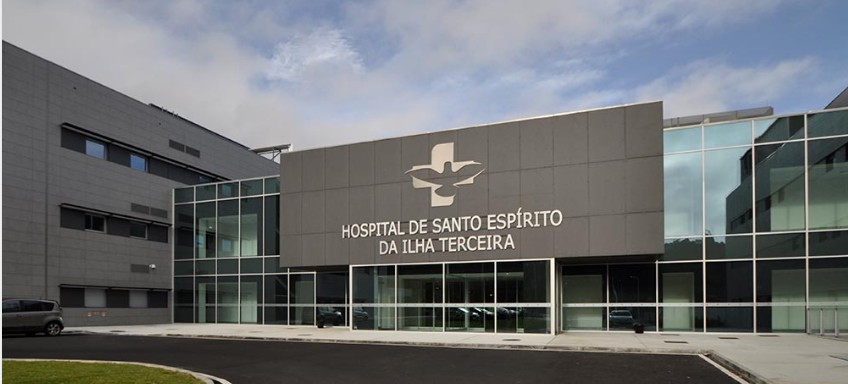
Divino Espírito Santo Loses Weight, Terceira and Horta Gain Ground
At the hospital level, the overall figures mask a marked redistribution. The Hospital do Divino Espírito Santo, in Ponta Delgada, reduced its teleconsultations from 9,094 in 2024 to 6,868 in 2025 (down 2,226, or −24.48%), with its rate falling from 4.23% to 2.96% (a drop of 1.27 percentage points).
In the opposite direction, the Hospital de Santo Espírito on Terceira Island increased teleconsultations from 2,738 to 4,026 (up 1,288, or +47.04%), raising its rate from 2.82% to 4.28% (+1.46 percentage points). The Hospital da Horta nearly doubled its figures, from 849 to 1,582 (up 733, or +86.34%), with the rate climbing from 1.55% to 2.95% (+1.40 percentage points).
The quarterly peak for hospital teleconsultations occurred in the second quarter of 2024, when 4,720 teleconsultations were recorded out of 86,124 consultations, corresponding to a 5.48% rate. This surge was driven by the Hospital do Divino Espírito Santo, which alone accounted for 3,806 teleconsultations that quarter, reaching a rate of 7.90%.
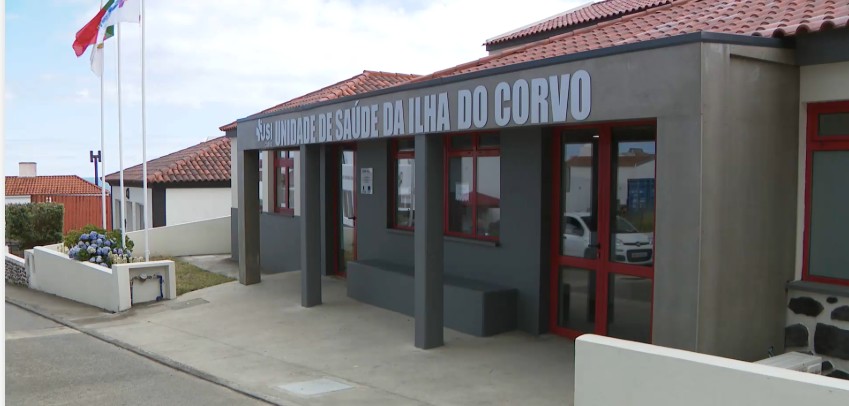
São Miguel Accounts for Seven in Ten USI Teleconsultations in 2025
Within the Island Health Units, São Miguel further consolidated its central role. The island recorded 5,302 teleconsultations in 2025, up from 3,995 in 2024 (an increase of 1,307, or +32.72%), with the rate rising from 0.81% to 1.06%. In 2025, São Miguel accounted for 70.76% of all teleconsultations carried out in the USI.
Terceira remained the second-largest contributor, though with a slight decline: 1,518 teleconsultations in 2025, compared with 1,574 in 2024 (down 56, or −3.56%), and a rate of 0.89%, compared with 0.91% the previous year. Faial stood out for its growth, rising to 301 teleconsultations from 192, increasing the rate from 0.50% to 0.77%; on a quarterly basis, the highest USI rate was recorded in Faial in the second quarter of 2024 (1.62%).
Among the most striking variations, Santa Maria fell sharply from 75 to 16 teleconsultations (−78.67%), while the Flores increased from 1 to 38. Corvo recorded zero teleconsultations throughout both 2024 and 2025.
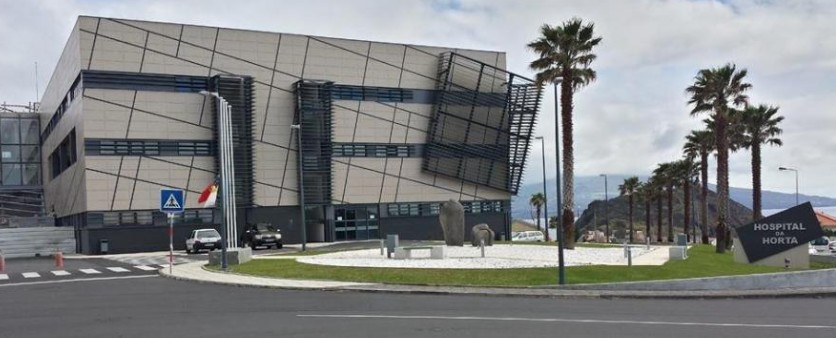
In Diário dos Açores, Paulo Viveiros-director.
Translated into English as a community outreach program by the Portuguese Beyond Borders Institute (PBBI) and the Modern and Classical Languages and Literatures Department (MCLL), in collaboration with Bruma Publication and ADMA (Azores-Diaspora Media Alliance) at California State University, Fresno. PBBI thanks Luso Financial for sponsoring NOVIDADES.

 Novidades - The Islands and the Diaspora