

Presidential elections, by their very nature, invite distortion. Because they revolve around a single individual, they are more easily personalized than any other vote—and that personalization makes them especially vulnerable to imbalances in media coverage. Newsrooms and commentators, knowingly or not, end up amplifying some candidates while muting others.
For the less attentive voter—often distracted by the pressures of work, family, or everyday life—a carefully constructed narrative is placed before them, one designed to “help” frame what is supposedly at stake. In this landscape, certain candidates enjoy daily visibility and constant airtime, even when they have little left to say or offer on matters of substance. Others are reduced to fleeting, fragmented flashes—snippets of image or sound in which even coherent ideas are flattened or lost altogether.
Gradually, this ecosystem becomes dominated by polls and opinionated commentary, repeated at an almost dizzying pace. These do not merely describe the race; they shape it. Programs and proposals are hollowed out, replaced by speculation about “electability,” momentum, and who is supposedly winning. Candidates rise or fall less on what they stand for than on how viable they appear to be. From there, it is a short step to political blackmail—pressures, both subtle and overt, for some candidacies to withdraw in favor of others.
None of this is to deny the importance of character, personality, or ethical and political posture. But the question remains unavoidable: what would the results look like if there had been less lateral interference—less noise drowning out ideas and programs—and more serious engagement with the substance of what candidates proposed? What if their platforms had been confronted directly with the voters’ real problems, and with the concrete solutions offered—or conspicuously absent?
The outcome would almost certainly have been different. And would those results, under any circumstance, have carried less democratic value than those produced last Sunday?
I leave that answer to you, dear reader.
On February 8, voters will return to the polls for the second round. Between the two remaining candidates, a choice must be made. For someone who considers himself a democrat, neutrality is not an option. This decision carries a responsibility: to block the candidate who openly proposes the dismantling of the democratic regime born on April 25, 1974; who normalizes hatred, violence, and institutionalized discrimination; who seeks to strip away political and social rights that temper inequality and protect the most vulnerable; who glorifies the values and leaders of the fascist regime that ruled Portugal for forty-eight years.
We are talking about a reactionary, retrograde, demagogic figure—one who shows profound contempt for truth itself.
So it is worth asking: can we truly speak of “committed democrats” when we consider the declared neutrality—at least so far—of political leaders faced with this choice? This question applies directly to the Portuguese prime minister, the president of the Azorean regional government, and to candidates who aligned themselves with the former during the first round of the campaign, such as Marques Mendes or João Cotrim.
Neutrality, in this context, is not prudence. It is a decision in itself—and one whose democratic cost should not be underestimated.
In Diário dos Açores
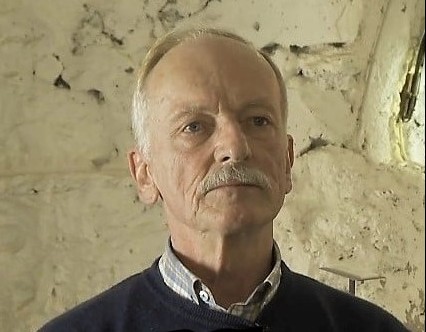
Mário Abrantes is a regular columnist for various Azorean newspapers and has been reflecting and writing about Azorean issues for many years. We are pleased to have his columns in English for our readers of Azorean ancestry and those interested in the Azores.
NOVIDADES will feature occasional opinion pieces from leading thinkers and writers in the Azores, providing the diaspora and those interested in the current state of the Azores with a sense of the significant perspectives on some of the archipelago’s issues.
Translated to English as a community outreach program from the Portuguese Beyond Borders Institute (PBBI) and the Modern and Classical Languages and Literatures Department (MCLL)
 Novidades - The Islands and the Diaspora