

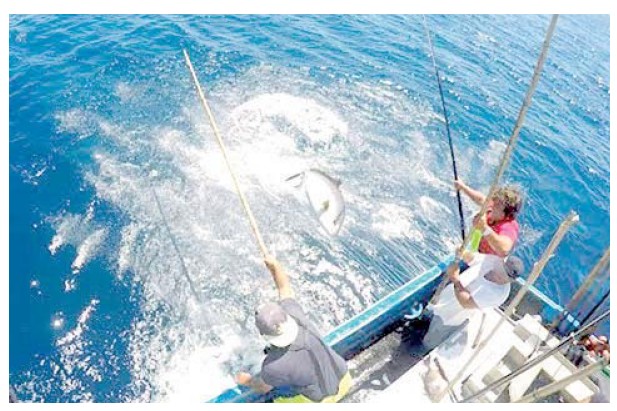
A resolution approved by the Council of Ministers authorizes the Environmental Fund to incur expenditures and assume multi-year financial commitments related to the project Azores Marine Park – Compensation for the Fishing Sector in the Autonomous Region of the Azores.
According to the resolution, the Council of Ministers determined that, within the framework of implementing the Azores Regional Network of Marine Protected Areas, it is necessary to calculate the funding allocations required to pay financial support intended to compensate for the reduction of fishing uses and activities in oceanic marine protected areas. The decision is based on a technical and scientific study carried out by the University of the Azores and the Centre of Marine Sciences of the Algarve.
Under the terms of the resolution, the Environmental Fund is authorized to carry out expenditures and assume the corresponding multi-year responsibilities for the project, up to a maximum amount of €10 million, exempt from value-added tax, as provided for in Portugal’s 2026 State Budget. Annual expenditures may not exceed €2.5 million in 2026, €4.25 million in 2027, and €3.25 million in 2028.
The document further states that all financial costs arising from the resolution will be covered by appropriations to be included in the Environmental Fund’s budget.
On October 17, 2024, the Legislative Assembly of the Autonomous Region of the Azores approved a legislative decree representing the second amendment to Regional Legislative Decree No. 28/2011/A of November 11. This legislation defines the structure of the Azores Marine Park and provides for the expansion of the Region’s network of protected areas.
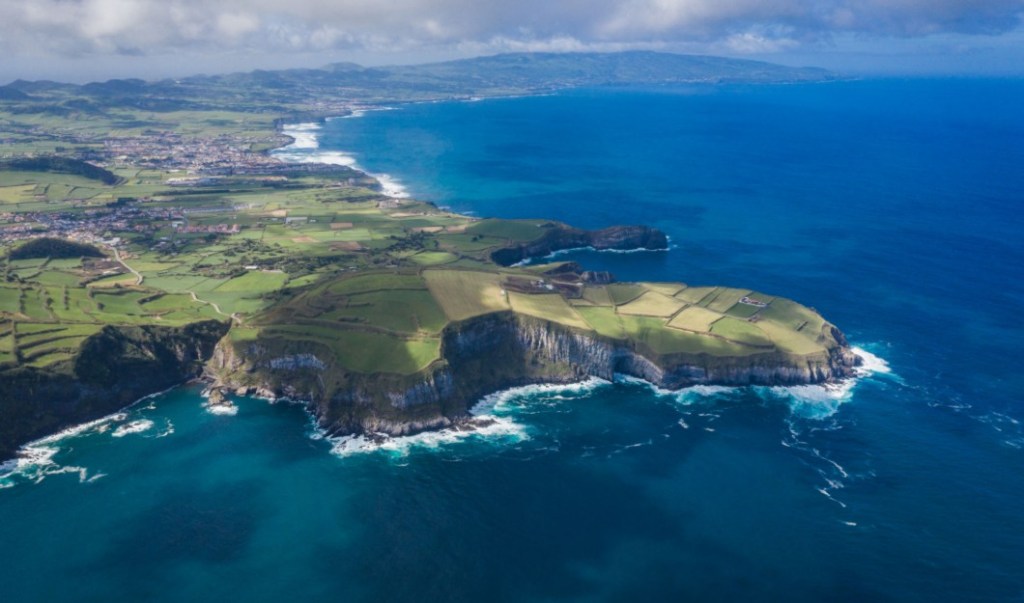
Covering an area of 287,000 square kilometers, the new Azores Regional Network of Marine Protected Areas (RAMPA) represents a significant contribution to Portugal’s and the European Union’s commitments to international conservation targets set for the current decade. RAMPA plays a central role in protecting marine ecosystems, strengthening biodiversity, and preserving threatened species. It also contributes to the recovery of fish stocks, allowing fishing activities to remain viable and balanced over the long term.
The amendments introduced by the decree also establish a framework for implementation and financing that defines support mechanisms resulting from restrictions placed on existing uses and activities within marine protected areas.
This financial compensation mechanism is designed to ensure that fishers can continue their activities during the transition without significant losses, while simultaneously contributing to environmental preservation. The measures are coordinated with broader fisheries restructuring initiatives, including professional diversification, the adoption of more sustainable fishing gear, and the added value of fish products.
The Regional Government of the Azores opted to carry out a rigorous and independent assessment of the effects of the new marine protected areas on fishing activities within the Azores sub-area of Portugal’s Exclusive Economic Zone. To this end, it commissioned a scientific and technical study from the University of the Azores and the Centre of Marine Sciences of the Algarve to analyze the impact of RAMPA on the Azorean fishing fleet and to define financial compensation mechanisms associated with reduced fishing activity.
The study, scheduled for completion by December 31, 2025, ensured constructive collaboration among key stakeholders and included pre-validation of the compensation mechanisms to be applied, with particular emphasis on mitigating immediate losses and facilitating the gradual adaptation of the regional fleet to the new conditions established by RAMPA. Compensation measures apply exclusively to new areas of the Marine Park and/or to changes in fishing use and activity regimes.
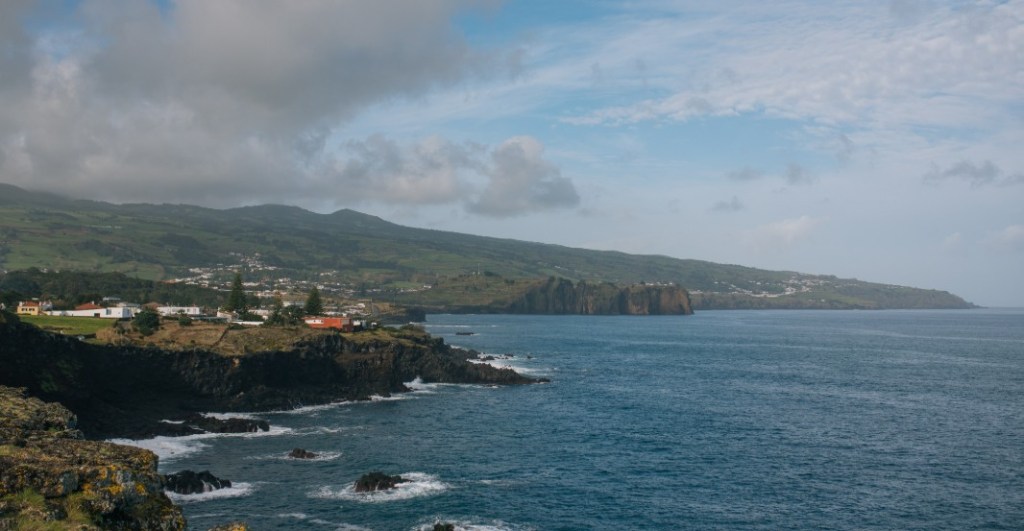
“The compensation measures are aligned with the overall strategy for restructuring Azorean fisheries, ensuring that they contribute to the long-term sustainability of the sector. This framework guarantees compatibility between compensation, marine conservation objectives, and the transition to more sustainable practices,” the resolution states.
Recognizing the importance of the ongoing process in the Autonomous Region of the Azores for national marine biodiversity conservation policy, the XXIV Constitutional Government committed to supporting the financing of the compensation mechanism through the Environmental Fund. This commitment created the conditions for the fisheries sector to benefit from the identification and designation of new marine protected areas.
In this context, the XXV Constitutional Government, continuing the policy direction of its predecessor, has now formalized this support, as provided for in Annex I of Law No. 73-A/2025 of December 30, which approves the 2026 State Budget.
“Portugal has committed to protecting 30 percent of its marine area by 2030 under the Kunming–Montreal Global Biodiversity Framework and the European Union Biodiversity Strategy. These commitments require strengthened efforts in the designation and management of marine protected areas,” the Council of Ministers emphasizes.
Diogo Simões Pires is a journalist for Correio dos Açores, Natalino Viveiros, director.
Translated into English as a community outreach program by the Portuguese Beyond Borders Institute (PBBI) and the Modern and Classical Languages and Literatures Department (MCLL), in collaboration with Bruma Publication and ADMA (Azores-Diaspora Media Alliance) at California State University, Fresno. PBBI thanks Luso Financial for sponsoring NOVIDADES.

 Novidades - The Islands and the Diaspora