

At the outset of this presidential campaign, André Ventura, in one of his many television interviews, delivered one of his habitual provocations: that it would take “three Salazars to put this mess in order.” The “mess,” of course, was the country itself. This nostalgia for an allegedly radiant past, illuminated by the figure of the old dictator from Santa Comba Dão, has become one of Ventura’s central refrains. The leader of the far right exploits our fears and disappointments to sell the idea—like a snake-oil salesman of the Old West—that things were better back then.
This political fabrication rests on a tale of an orderly, peaceful, morally pure Portugal, free of crime and corruption, where we all supposedly lived in a kind of earthly paradise made of full coffers, good manners, and regular trips to church. It is an imaginary country, deployed as a foil to the presumed excesses of fifty years of democracy—a period portrayed as unbroken decline, one that allegedly dragged the nation into a swamp of poverty, chaos, and injustice.
The problem is that none of this survives contact with historical reality. Salazar’s Portugal was a structurally poor country, with one of the lowest GDPs per capita in Western Europe. On the main social and economic indicators, it languished at the bottom of the rankings. In 1970, roughly 25 percent of the population was illiterate. Nearly 70 percent of homes lacked a shower, and more than 40 percent had no indoor plumbing at all. In 1974, Portugal recorded one of the worst infant-mortality rates in the developed world—around 40 deaths per thousand live births. Today that figure has fallen to about three per thousand. These facts alone dismantle the myth of a golden past.
And this is without even touching the regime’s darker features: the colonial war that claimed thousands of lives; censorship; the political police; political prisoners; forced exile; the absence of freedom of association and expression; the profoundly authoritarian, repressive, and illiberal nature of the Estado Novo.
Ventura and his army of resentments strive to erase this collective memory through a revisionist discourse that seeks to whitewash the dictatorship by devaluing democracy, counterposing to it the vague and dangerously divisive notion of “decent Portuguese.” He went so far as to declare, at a street rally in 2024, that it was necessary to “save Portugal from democracy,” quickly correcting himself to say “socialism”—a Freudian slip that speaks volumes about his true intent.
Democracy is an imperfect and restless system. It is never finished and rarely congratulates itself. Yet it remains—and it bears repeating now more than ever—the best of bad systems. Despite party capture, nepotism, revolving doors between politics and business; despite unfulfilled promises of universal prosperity and persistent crises in housing, health care, and education, one simple truth stands: today we live better than we did fifty years ago. And we are freer and more equal.
Democracy’s flaws do not make dictatorship desirable. Democracy remains the imperfect but irreplaceable guarantor of freedom, equality, and dignity, regardless of origin, skin color, or ideology. That is a political and civilizational inheritance that cannot be relativized or placed at risk.
This is why these presidential elections matter so profoundly. They are not merely about choosing a president. They are about deciding whether we yield to the comforting lie of an invented past or, with critical judgment and historical memory, defend the most significant period of social progress and development Portugal has known since the gold of Brazil. We are not simply choosing someone to occupy an office. We are choosing the kind of country we want to be.
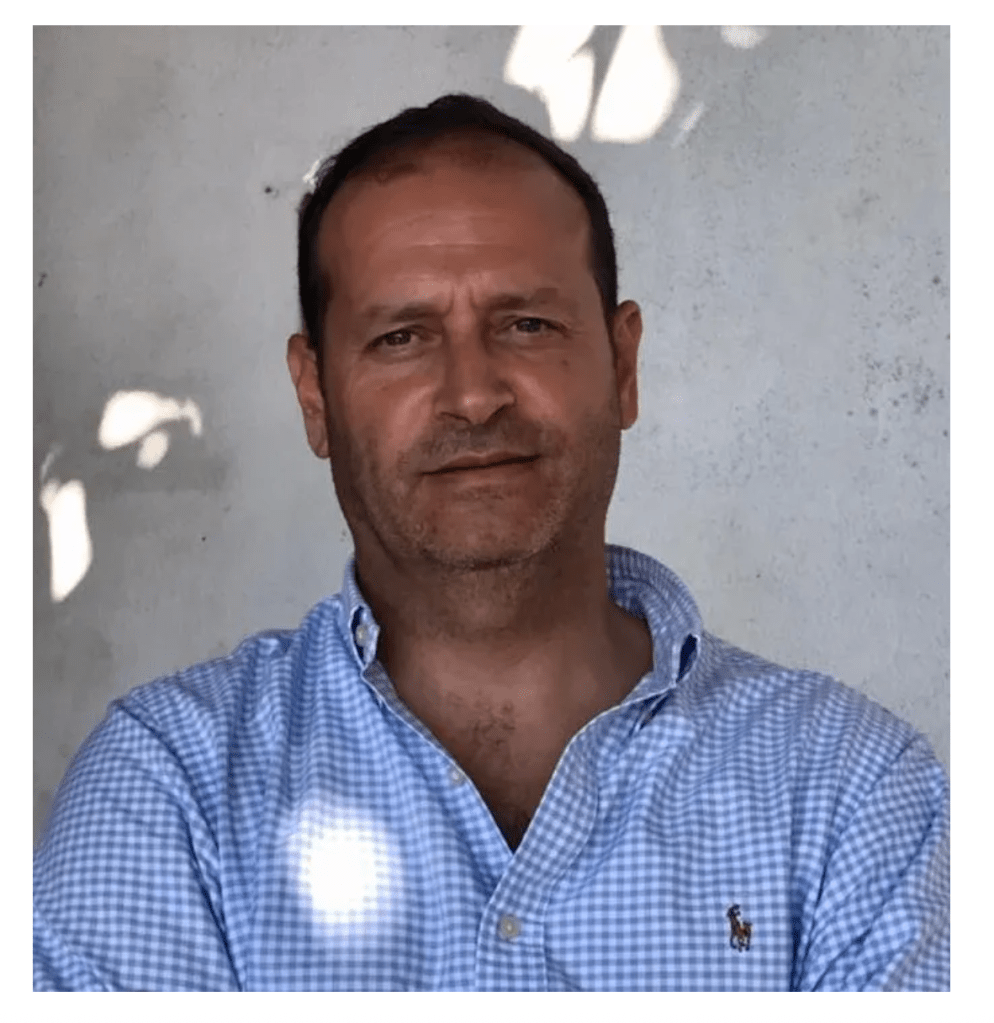
Pedro Arruda is a regular contributor to Azorean newspapers. We are thankful that he agreed to have his op-ed translated and available to our readers.
NOVIDADES will feature occasional opinion pieces from leading thinkers and writers in the Azores, providing the diaspora and those interested in the current state of the Azores with a sense of the significant perspectives on some of the archipelago’s issues.
Translated to English as a community outreach program from the Portuguese Beyond Borders Institute (PBBI) and the Modern and Classical Languages and Literatures Department (MCLL).
You can follow his writings in Portuguese online on: https://azoreansplendor.blogspot.com/

 Novidades - The Islands and the Diaspora