

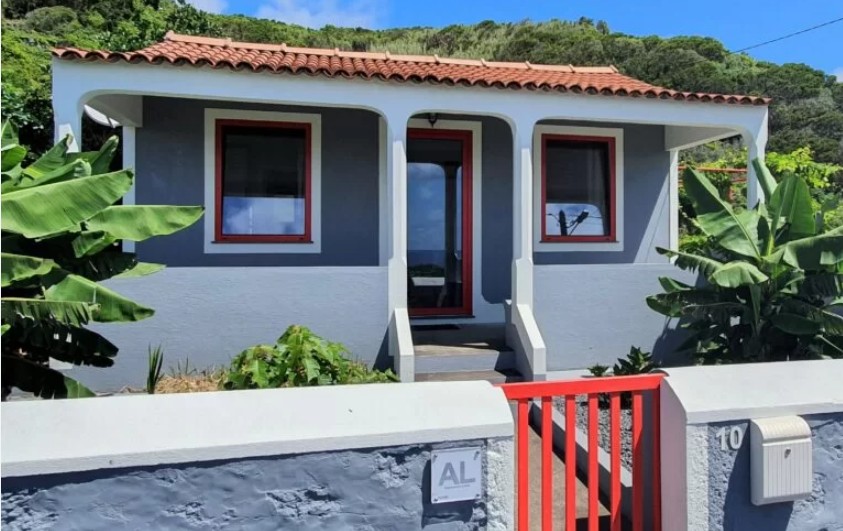
The Regional Secretary for Tourism, Mobility and Infrastructure, Berta Cabral, said on Pico Island that Local Accommodation (AL) “has played an absolutely decisive role in the Azores” and was “crucial during a critical phase of transition for the destination,” stressing that this contribution “must not be forgotten.”
Berta Cabral was speaking at the opening session of the 4th Azores Local Accommodation Meeting, held at the Madalena Auditorium, where she emphasized that this segment made it possible to “meet demand, raise the quality of the offer, diversify experiences, and, above all, bring tourism to all islands, across the entire territory, and throughout the year.”
In a recorded address, the regional official noted that Local Accommodation has established itself as “a genuine instrument for democratizing income, rehabilitating the built environment, creating jobs and self-employment, retaining residents, and ensuring a balanced dispersion of tourist flows, including in rural and more peripheral areas.”
According to Berta Cabral, the sector also has “a very significant multiplier effect on the regional economy,” contributing to the emergence of new tourism-related businesses and enterprises.
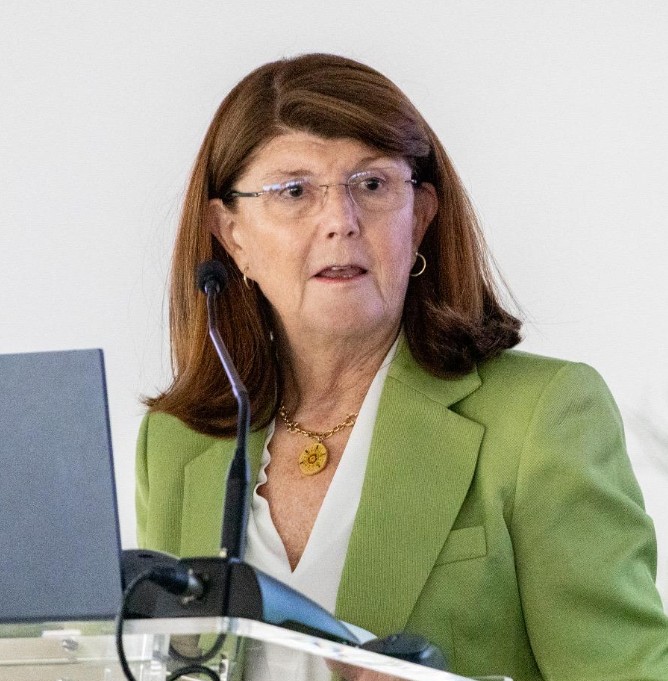
The Secretary acknowledged, however, that the sector is now entering “a new phase of tourism in the Azores,” shaped by both internal and external factors that also affect Local Accommodation. “It is a phase that calls for maturity, strategic reflection, and adaptability,” she said.
Although tourism continues to grow in the Region—with the Azores ranking between 2023 and 2025 as the country’s fastest-growing region in relative terms, particularly in revenues—Berta Cabral welcomed the fact that growth has been stronger in revenues than in overnight stays, as this signals “greater value being generated at the destination.”
Even so, she warned that “it would be irresponsible to ignore the signs of demand adjustment already felt in 2025,” which “require close monitoring.”
The main causes, she said, lie in “profound changes in the international context,” notably geopolitical instability and shifts in consumption and travel patterns, especially in the U.S. and European markets.
Given the Azores’ insular, fragmented, and ultraperipheral condition, Berta Cabral stressed the need to “ensure the destination’s competitiveness,” paying particular attention to critical factors such as price, quality, expectation management, and tourism positioning.
She also underlined the importance of safeguarding a positive external image of the destination, countering “simplistic narratives—whether of mass tourism, when it does not exist, or of crisis, when what is occurring are normal market adjustments.”
Despite the challenges, the regional secretary noted that the new context also creates opportunities. She argued that the evolution of Local Accommodation, like that of the Azores tourism destination as a whole, must be “sustainable, sustained, and oriented toward quality, perceived value, and the credibility of the offer.”
“We must all ensure a balance between territory, installed capacity, demand, the evolution of supply, and our external image,” she said, adding that the Government of the Azores is preparing initiatives to strengthen collaborative work with the sector in response to this new phase of the destination’s life cycle.
In closing, Berta Cabral emphasized that “the future of tourism in the Azores is built through dialogue, responsibility, and cooperation,” reaffirming that “Local Accommodation will continue to be an essential part of that construction.”

In Diário dos Açores, Paulo Viveiros, director
Translated into English as a community outreach program by the Portuguese Beyond Borders Institute (PBBI) and the Modern and Classical Languages and Literatures Department (MCLL), in collaboration with Bruma Publication and ADMA (Azores-Diaspora Media Alliance) at California State University, Fresno. PBBI thanks Luso Financial for sponsoring NOVIDADES.


 Novidades - The Islands and the Diaspora