

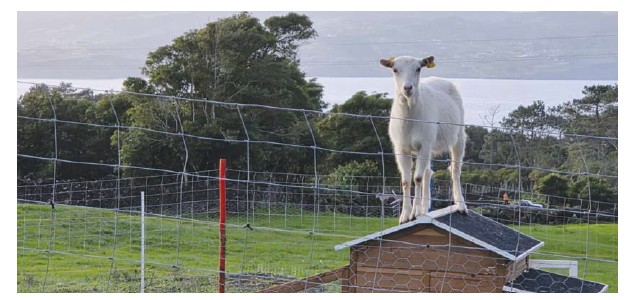
Cataleya Azores is envisioned as a pedagogical farm that brings families closer to nature, animals, and rural life.
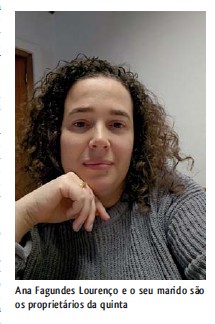
“More than a place to visit, we want it to be a place people return to at different moments of the year—to create memories, learn, celebrate, and simply be,” says entrepreneur Ana Fagundes Lourenço. Together with her husband, she owns the farm.
Cataleya Azores is a new project taking shape on the island of Pico, with the mission of bringing together nature, animals, and learning in service of the community. Speaking to Correio dos Açores, founder Ana Fagundes Lourenço explained that the project was born from a family initiative and aims to create a space where people can “learn, slow down, reconnect with nature, and experience authenticity.”
The educational component will be central to the project, with workshops focused on product preparation, animal care, and rural living. Run by Ana and her husband Bruno, the space is expected to open during the second quarter of the year and will be officially inaugurated on May 16.
Correio dos Açores — Who founded Cataleya Azores? Has your love for animals always been present?
Ana Fagundes Lourenço (Founder of Cataleya) — Cataleya was born from a project of the Fagundes Lourenço family, developed by myself and Bruno. It was conceived by people deeply connected to nature, the animal world, and the local community.
Our love for animals has always been there and has grown over the years, closely tied to rural life, respect for the land, and the understanding that contact with animals is transformative—especially for children and families.
When did the idea of the farm emerge, and why did you choose Pico?
The idea began taking shape in 2025, stemming from a long-held dream: to create a space of affection, learning, and sharing. Pico was a natural choice—it is where we live; it is home, identity, and roots.
The goal of Cataleya is to offer a pedagogical farm where people of all ages can learn, slow down, reconnect with nature, and enjoy authentic experiences in a safe, welcoming, and human setting.
What challenges do you currently face? Does island life pose obstacles?
Like any project developed on an island, insularity brings additional challenges, particularly in terms of costs, logistics, and access to certain resources. Still, we believe these challenges also make us more resilient, creative, and closely connected to the community.
What does the name “Cataleya” represent?
The name Cataleya is inspired by the cattleya orchid, known for its beauty, resilience, and ability to bloom even in demanding environments. We strongly identified with that symbolism. Like the flower, this project grows from strong roots, respect for time and nature, and the intention to blossom authentically.
Adapting the name gave it a more familiar and approachable identity, reflecting the spirit of the space: welcoming, alive, and devoted to cultivating affection, learning, and genuine relationships.
How does the educational dimension work?
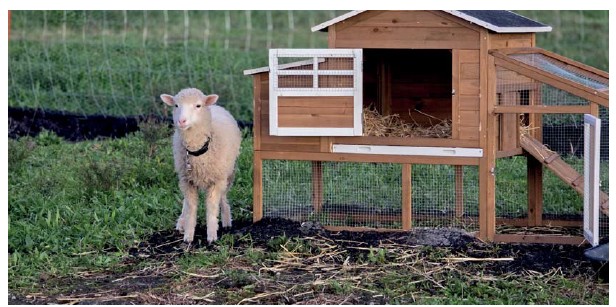
The pedagogical aspect is present in everything we do. Beyond direct contact with animals, we plan to host workshops focused on product preparation, animal care, and rural living, encouraging hands-on and emotional learning.
Who is your target audience—locals or tourists?
The initiative was designed for two key audiences. On one hand, the local community—families, schools, and groups seeking year-round activities connected to nature, animals, and learning. On the other hand, tourists visiting the island who are looking for authentic experiences beyond conventional tourism.
We want Cataleya to be a meeting place between those who live here and those who visit, always with respect for the land and its rhythms.
What animals live on the farm?
We care for a diverse range of species, carefully integrated and monitored. These include sheep, goats, a cow, a donkey, a horse, a pony, ducks, chickens, a peacock, mini pigs, among others. More than numbers, we value each animal’s well-being and the relationships that develop through responsible and educational interaction.
We also have a strong horticultural and fruit-growing component, with a growing orchard rich in diversity. Visitors will be able to learn about different trees and plants and even harvest fresh fruits and vegetables, fostering a deeper connection to the land and the natural cycles.
Has the community been supportive?
Yes. We have received very positive support from the local community—through encouragement, shared knowledge, and concrete contributions such as the donation of animals by residents. This involvement strengthens the project and reinforces its community-centered spirit.
Diogo Simões Pires is a journalist for Correio dos Açores, Natalino Viveiros, director.
Translated into English as a community outreach program by the Portuguese Beyond Borders Institute (PBBI) and the Modern and Classical Languages and Literatures Department (MCLL), in collaboration with Bruma Publication and ADMA (Azores-Diaspora Media Alliance) at California State University, Fresno. PBBI thanks Luso Financial for sponsoring NOVIDADES.

 Novidades - The Islands and the Diaspora