

1 — Portugal was “swept” by the storm system known as Depression Kristin, from Minho to the Algarve. The damage has been extensive, not only because of flooding but also due to a widespread power outage that has lasted for more than three days, leaving over four hundred thousand people without electricity across multiple municipalities and affecting, according to published data, around 198,000 customers.
2 — The Leiria region was among the hardest hit. Beyond the damage widely reported by the media, it must be noted that 400 people were admitted to the emergency department of Leiria Hospital with injuries resulting from accidents during cleanup and reconstruction efforts. These were people trying to salvage and restore belongings they could neither forgo nor replace, even as, on Saturday, 293,000 people nationwide were still without power.
3 — Those most affected by Depression Kristin continue to grapple with the storm’s destruction and its consequences for families and the broader economy. In the face of a storm of this magnitude, it would have been important for the government to deploy the armed forces, alongside firefighters, to provide necessary assistance to populations who lost their possessions, as well as to business owners who watched their livelihoods collapse. Despite doing everything within their means, many saw, in a matter of moments, what had taken years of effort to build swept away by the storm.
4 — The Government of the Republic, after the Prime Minister visited the affected areas to assess the situation, returned immediately to work and, following an analysis of the storm’s consequences, adopted a set of exceptional measures, including:
5 — The provision of emergency assistance to affected populations deprived of access to basic necessities, housing, and healthcare; support for the families of those who lost their lives or suffered disabling injuries; the repair and reconstruction of affected municipal infrastructure and facilities; the adoption of measures to mitigate environmental impacts and restore cultural and natural heritage; and the allocation of financial support, on a subsidiary and complementary basis to insurance coverage, for the recovery of primary residences, businesses, vehicle fleets, and agricultural holdings, under terms to be defined by ministerial order from the government departments responsible for finance, the economy, infrastructure, civil protection, and agriculture. We must now wait to see the results of these measures, for which Portugal should have requested from the European Union a declaration of public calamity and sought increased financial support to aid recovery—and, if possible, a reinforcement of the Recovery and Resilience Plan (PRR) currently in effect.
6 — Meanwhile, President of the Republic Marcelo Rebelo de Sousa visited Figueira da Foz and promptly called for the creation of an independent technical commission to “clarify everything” that must be taken into account in the context of a major storm.
7 — This is an important proposal, and Marcelo Rebelo de Sousa could even be a strong candidate to preside over such a commission after the end of his mandate, having proposed it while still in office.
8 — The Azores know all too well the cost of storms and hope that, from now on, the country will be a true partner in recovery—and not a neglectful stepfather, as it has been on several occasions.
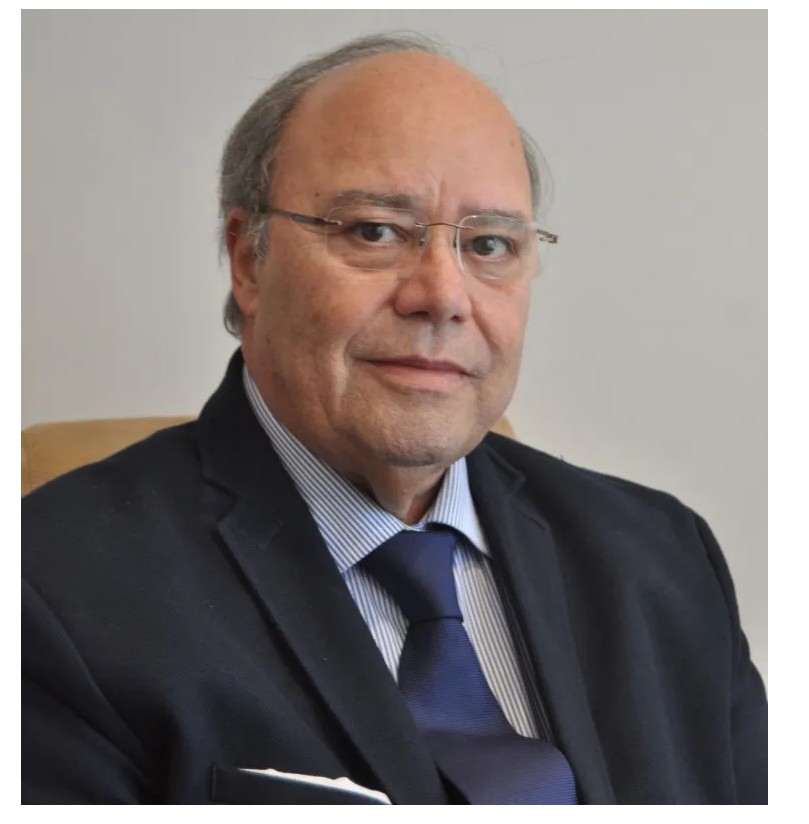
Natalino Viveiros is the editor of the newspaper Correio dos Açores. He was a member of various governments of the Mota Amaral administrations in the Regional Government.
NOVIDADES will feature occasional opinion pieces from various leading thinkers and writers in the Azores, providing the diaspora and those interested in the current state of the Azores with insight into the diverse opinions on some of the archipelago’s key issues.
Translated to English as a community outreach program from the Portuguese Beyond Borders Institute (PBBI) and the Modern and Classical Languages and Literatures Department (MCLL).
 Novidades - The Islands and the Diaspora