

“Democracy dies in darkness.” That slogan still hangs in the display window of the once-venerated Washington Post, a phrase that for years symbolized the freest spirit of journalism. In practice, however, the Post has become the armed wing of billionaire Jeff Bezos, who now exerts inflexible control over its editorial line. With the rise of the dictator Trump to the White House and the dropping of masks by America’s oligarchs, the newspaper has adopted a clear posture: attacking those who challenge money and power, while consistently favoring the interests of the lord of the new fascism now radiating from the centers of power in the United States to the rest of the world.
Democracy did not die in darkness. It died in full view—and no one managed to save it. There. And here?
The reality is unavoidable, even if it continues to surprise the most distracted among us as they listen to debates and search for solutions that no longer exist. Portugal, like much of the world, is following the American collision course. Polarization has reached monumental proportions, and it is now almost impossible to return to what once was. Our country runs a very real risk of being governed by a convinced Salazarist, backed by neo-Nazis and their ilk, within the next ten years—if not already now, with Sunday’s presidential election on the 8th.
And what does this have to do with The Washington Post? Almost everything.
In recent times, thanks to the relentless—and frankly grotesque—efforts of certain figures in our digital public square, we have been able to tally how many times Ventura has been interviewed. Sometimes, a live conversation with him is broadcast while a news ticker scrolls beneath, detailinghis gang of alleged criminals. Meanwhile, print newspapers cover his rise and his supposed intelligence. Anyone who listens closely knows he is not nearly as brilliant as he is marketed to be. But that is irrelevant. What sells is controversy. Immediacy. The glare of journalistic spotlights crushes democracy with more force than any darkness ever could.
I have very few doubts left about Ventura’s future status as prime minister. I only hope it mirrors Trump’s first term—and that we manage to prevent a second. It saddens me to see how the media has been transformed from a pillar of democracy into an instrument of this new power, which plays by the old rules of absolutism and the money-soaked dossiers of authoritarianism. My despair deepens as I recognize the threats now facing journalism itself—a profound problem, rooted in the hardships of the periphery, worsened by successive crises, and finally cemented by rules and norms that reward immediacy and punish thoughtful reflection.
All that remains, then, is an appeal: keep thinking for yourselves. Deconstruct viral lies. From today on, I will be more concise in my opinions. Three thousand five hundred characters. I respect the logic and acknowledge the Herculean effort of print journalism to preserve space for reflection, but I resent the idea that I can only write within a cage. Democracy dies in cages. Let us hope that is not our fate.
And this Sunday, the Portuguese vote for democracy, for light, and for humanity. Today it is water jugs. Tomorrow, who knows whether we will even be allowed a glass of water?
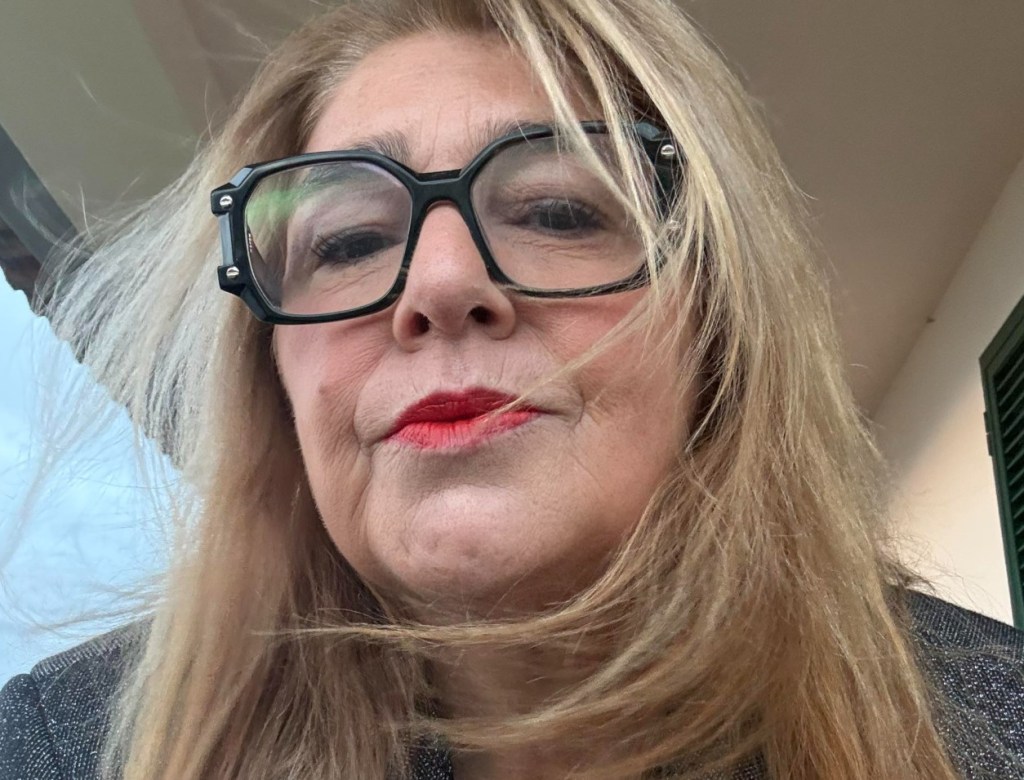
Alexandra Manes is from Flores Island but lives on Terceira Island in the Azores. She is a regular contributor to several Azorean newspapers, a political and cultural activist, and has served in the Azorean Parliament.
NOVIDADES will feature occasional opinion pieces from leading thinkers and writers in the Azores, providing the diaspora and those interested in the current state of the Azores with a sense of the significant perspectives on some of the archipelago’s issues.
Translated to English as a community outreach program from the Portuguese Beyond Borders Institute (PBBI).
 Novidades - The Islands and the Diaspora