


This oral history essay is based on a conversation with Natalino Manuel Faustino Silveira, a member of the Portuguese American community whose life reflects broader patterns of Azorean migration, cultural preservation, and intergenerational continuity. His personal narrative unfolds between two distinct yet interconnected spaces: the island of São Jorge in the Azores and California’s Central Valley. Through family history, labor, faith, and language, Natalino’s experience illustrates how cultural identity is maintained and rearticulated in diasporic contexts.
Natalino Manuel Faustino Silveira was born on December 24, 1971, on the island of São Jorge. His name itself reflects the cultural importance of lineage and tradition within Azorean society. “Natalino” was chosen to mark his birth on Christmas Eve, a date imbued with religious significance in Catholic culture. “Manuel” honors his father, “Faustino” preserves his grandmother’s maiden name, and “Silveira” identifies the family lineage. Together, these names function as markers of kinship and continuity, underscoring the importance of ancestry in the construction of identity.
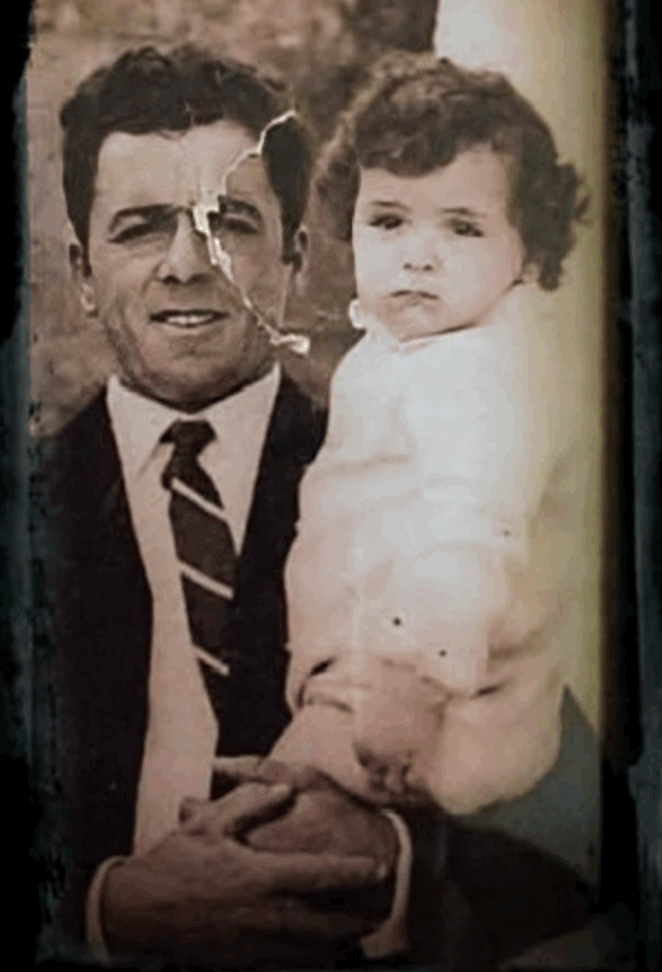
In October 1977, Natalino immigrated to the United States with his family at the age of six. Like many Azorean families during the mid-to-late twentieth century, the decision to leave the islands was motivated by economic necessity and the pursuit of opportunity. His father, who had experience working with dairy cattle, secured employment milking cows in Turlock, California. The family’s settlement followed established Portuguese migration networks that had already taken root in the region, particularly within the agricultural economy of the Central Valley.
The transition to life in the United States presented significant challenges. Natalino and his siblings did not speak English, and they encountered cultural and social differences that required adjustment. Within the home, however, continuity prevailed. Portuguese remained the primary language spoken, and traditional foods, religious observances, and communal celebrations served as stabilizing forces. These practices functioned not only as expressions of heritage but also as mechanisms of resilience, enabling the family to adapt without relinquishing their cultural identity.
Natalino recalls the importance of community-based cultural events during his childhood, particularly Holy Ghost Festas, bullfights, and other Portuguese gatherings. These events played a central role in sustaining collective identity among Azorean immigrants. The Holy Ghost Festas, in particular, hold deep religious and cultural significance, emphasizing values such as charity, devotion, and communal solidarity. Participation in these traditions reinforced Natalino’s sense of belonging and connection to Azorean history.
As he grew older, Natalino became increasingly conscious of the importance of cultural preservation. Although he left the Azores at a young age, the values and traditions of his homeland remained central to his identity. He considers himself part of the first generation of his family to live in the United States, while his children—born and raised in California—represent the second generation. He takes pride in the fact that his children have embraced Portuguese culture, reflecting the intentional efforts made within the family to transmit language, customs, and values.
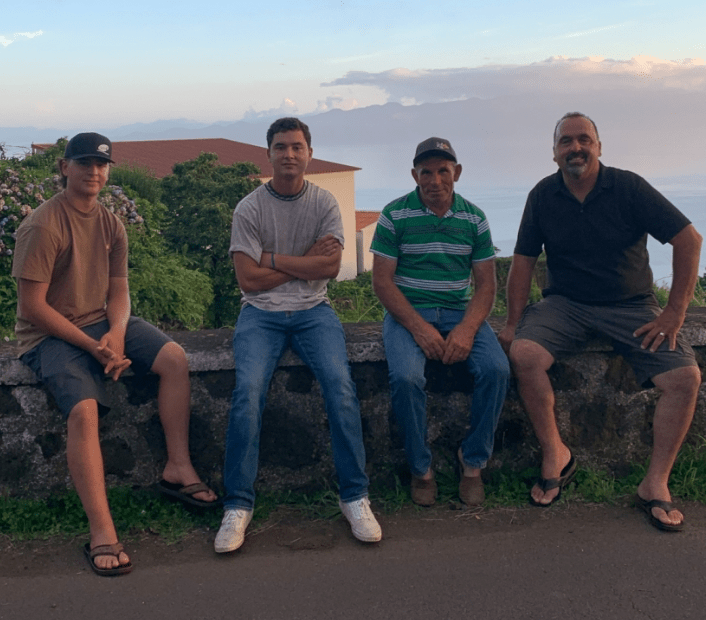
Language plays a particularly significant role in this process. Portuguese continues to be spoken regularly in the Silveira household, serving as a vital link between generations. In a broader context of linguistic assimilation, this commitment represents a deliberate act of cultural maintenance. Through language, the family sustains intergenerational connections and affirms its historical roots.
Throughout his life, Natalino has returned to the Azores on multiple occasions. These visits to São Jorge reinforce his emotional and cultural connection to the island. Reuniting with family members, revisiting familiar places, and engaging with the physical landscape of his birthplace provide a sense of continuity and grounding. These return journeys function as affirmations of identity rather than acts of nostalgia.
Professionally, Natalino remains closely tied to agriculture and dairy farming, continuing a tradition established by his father upon arrival in California. His family’s involvement in the dairy industry reflects a broader pattern among Portuguese immigrants in the Central Valley, where agricultural labor became both an economic foundation and a means of social mobility. Today, Natalino’s children are actively involved in the family operation, ensuring the transmission of values such as hard work, responsibility, and perseverance.
For Natalino, agricultural work is more than an occupation; it represents continuity between past and present. The blending of inherited knowledge with modern practices illustrates how immigrant traditions adapt to new contexts while retaining their core principles. This intergenerational engagement underscores the durability of Portuguese American agricultural culture.
When asked to reflect on what it means to be Portuguese American, Natalino expressed a strong sense of pride in his Portuguese heritage alongside deep gratitude for the opportunities afforded by the United States. He views these identities as complementary rather than contradictory. The United States, in his experience, provided stability and opportunity while allowing space for cultural continuity.
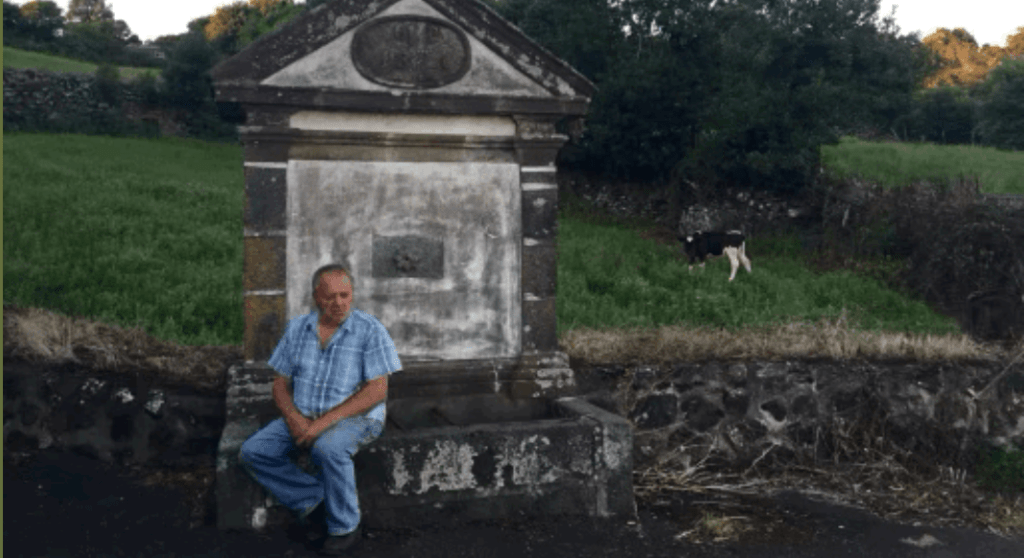
Natalino characterizes the contemporary Portuguese American community as resilient and cohesive, grounded in faith, family, and mutual support. In Central California, Portuguese festivals, churches, and community organizations continue to serve as vital institutions for cultural preservation and social cohesion.
The conversation concluded with a broader reflection on Portugal’s historical contributions as a nation of explorers, navigators, and cultural intermediaries. Natalino noted that Portuguese influence remains visible in California’s geography and history, even when it is not widely acknowledged. Although numerically small, he believes the Portuguese diaspora has had a lasting and meaningful impact.
In sum, Natalino Manuel Faustino Silveira’s life exemplifies the processes through which cultural identity is sustained across generations and borders. His experience highlights the role of family, language, labor, and faith in maintaining heritage within a diasporic setting. Through everyday practices and long-term commitment, his story demonstrates how cultural continuity is not inherited passively but actively cultivated, ensuring that memory and identity remain integral to future generations.
From the Portuguese Oral History Project at PBBI-Fresno State.
 Novidades - The Islands and the Diaspora