

I am not a regular reader of sports newspapers. But recently, an article published in A Bola caught my attention. It was written by Rui Almeida — someone I hold in high regard — and it did something rare in our public life: it used sport as a lens to expose a deeper civic malaise. What began as commentary on athletics unfolded into a diagnosis of a society drifting, distracted, and dangerously indifferent.
Rui Almeida writes of the sadness of a people celebrating 50 years of Autonomy while casually tossing aside the very spirit of that achievement. He might well have added that the culmination of this decline arrived with the so-called “pause” of Palavra Açores — a project intended to promote the archipelago through sport — a pause later confirmed by the Regional Secretary for Tourism, Mobility, and Infrastructure, making it abundantly clear who truly holds power. The Secretary for Sport — who never seemed to want the role in the first place — appeared unmoved.
The contradictions would be laughable if they were not so consequential. On a public stage, President José Manuel Bolieiro spoke proudly of culture. Moments later, speaking to journalists, he admitted he neither knew nor wished to know where the missing funds would come from to accomplish what he had no intention of doing. Meanwhile, the mobility subsidy — long under reform and seemingly headed toward extinction — hangs in limbo. Culture is invoked ceremonially, then quietly abandoned in practice.
Almeida’s article recalls the inauguration of Ponta Delgada as the Portuguese Capital of Culture — an event that unfolded more than a month behind schedule. A serious cultural project would have been launched mid-year. Instead, the stage was filled with familiar political faces from São Miguel, bolstered by a visiting Minister of Culture who, by her own admission, knows little of islands and even less about their realities. Nascimento Cabral offered a brief tragicomic performance. It felt less like a celebration of culture and more like a carefully choreographed photo opportunity.
The larger tragedy lies in what is no longer said aloud. Palavra Açores, once envisioned as a project to elevate the region through sport, has now been reduced to a corridor controversy — secretaries sparring with half-truths while the budget bleeds out quietly. The feeling is unmistakable: after missteps upon missteps — abandoned soccer fields, neglected sports programs, forgotten disciplines — there is simply nothing left. One sees it in the strained smile of the Regional Director, compelled to defend decisions imposed from above.
Almeida concludes with an appeal to common sense and renewed investment in culture and sport. Perhaps space constraints prevented him from stating the obvious: that while the Azores mark half a century of Autonomy, they also mark roughly five years of governance in partnership with the far right — a political arrangement in which survival trumps principle and common sense has become an archaeological artifact.
Here, in these Atlantic mists, endurance feels like the only civic virtue left. We brace ourselves as if awaiting another earthquake, hoping that when the political tremors pass, there will still be islands standing — and still a public life worth inhabiting.
Rui Almeida, thank you for reminding us that we are more — far more — than cows and pasture.
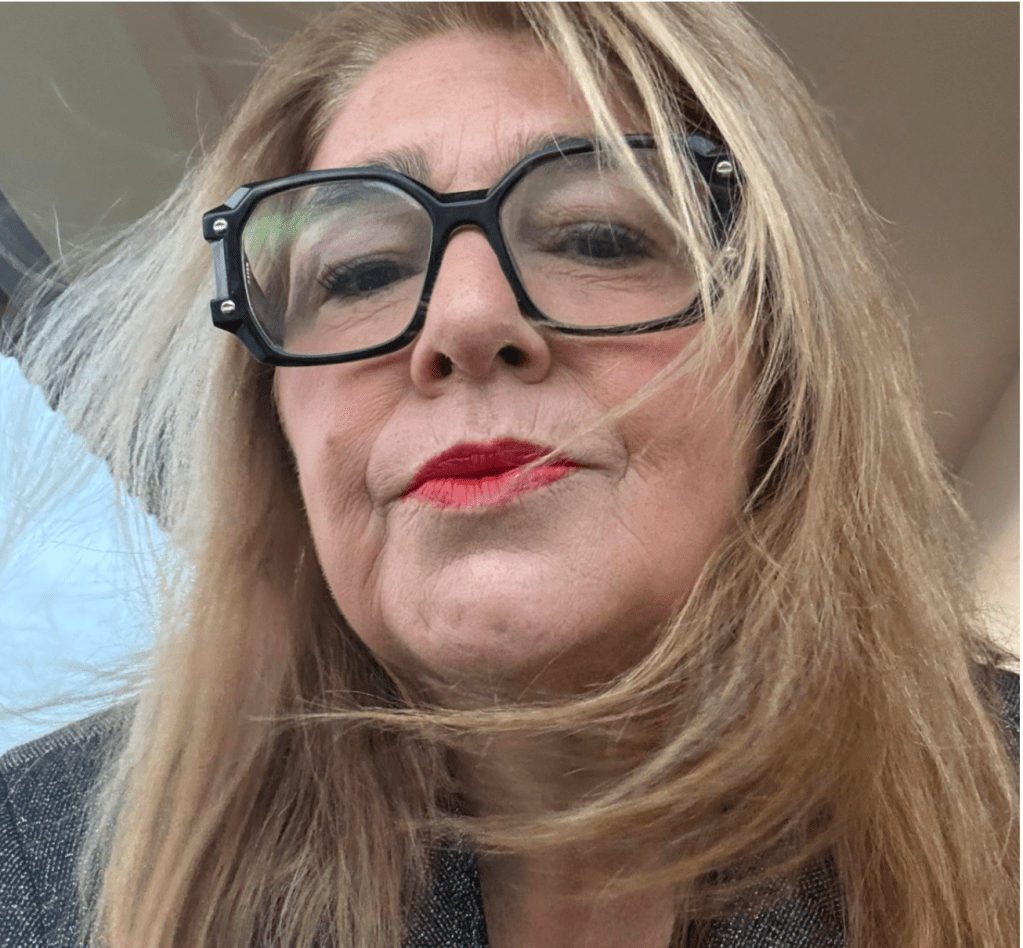
Alexandra Manes is from Flores Island but lives on Terceira Island in the Azores. She is a regular contributor to several Azorean newspapers, a political and cultural activist, and has served in the Azorean Parliament.
NOVIDADES will feature occasional opinion pieces from leading thinkers and writers in the Azores, providing the diaspora and those interested in the current state of the Azores with a sense of the significant perspectives on some of the archipelago’s issues.
Translated to English as a community outreach program from the Portuguese Beyond Borders Institute (PBBI) and the Modern and Classical Languages and Literatures Department (MCLL).
 Novidades - The Islands and the Diaspora