

Carnaval on Terceira has a very distinct identity. What flavors or dishes do you immediately associate with this season — and why?
Carnaval on Terceira Island is far more than music, satire, and the theatrical brilliance of the danças and bailinhos. It is also a season lived at the table, where food becomes a form of storytelling and belonging. In kitchens across the island, recipes are repeated like verses of an old song, carrying memory from one generation to the next. Carnaval here is not only performed on stage — it is kneaded, fried, baked, and shared.
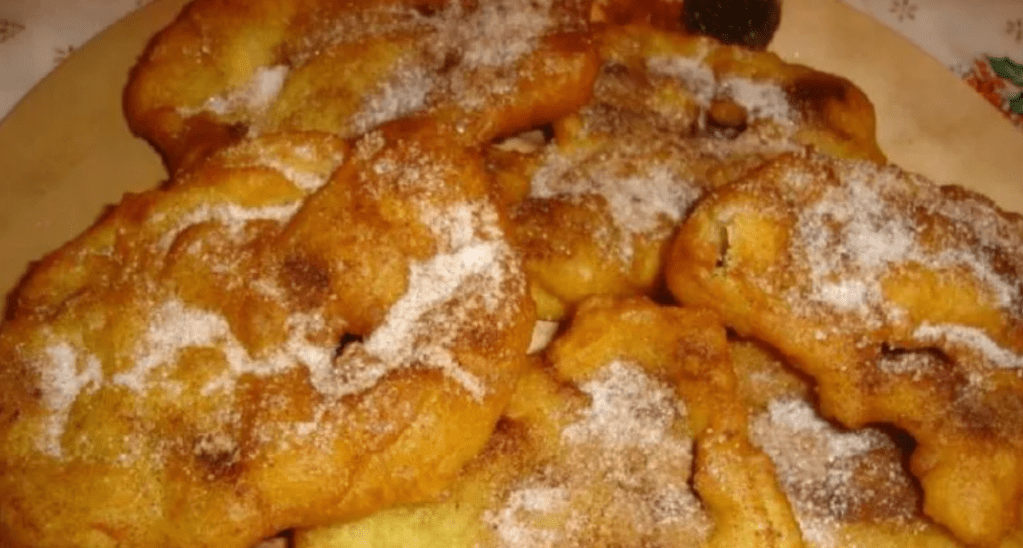
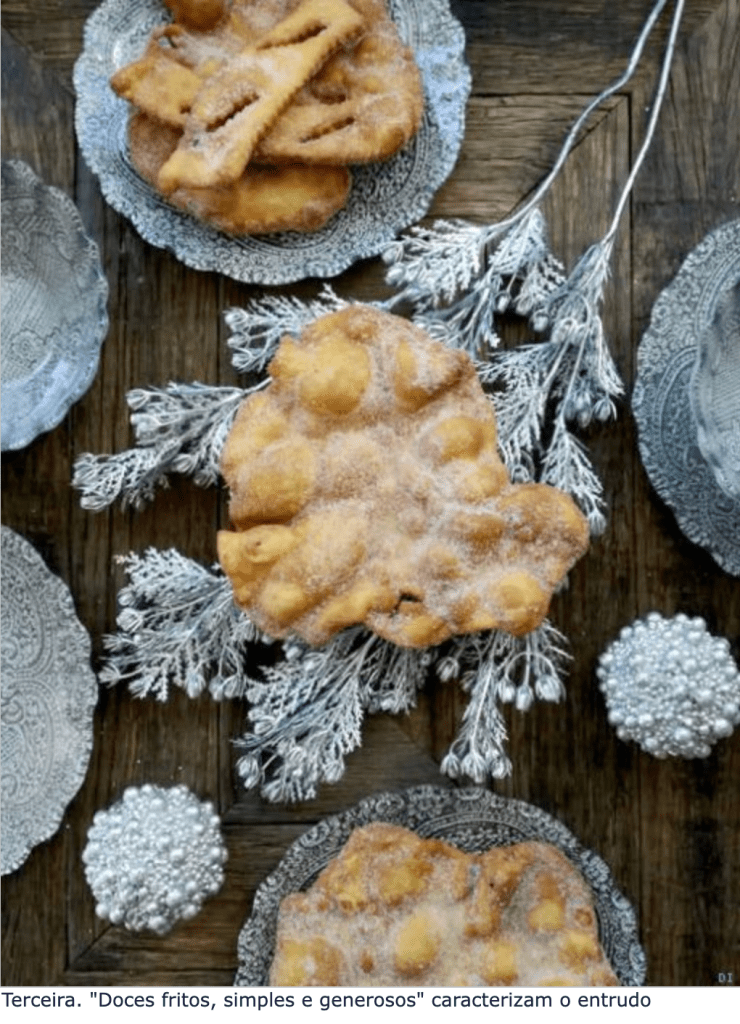
When we speak of flavors inseparable from this festive season, certain dishes rise instantly in the collective imagination. Filhós — whether deep-fried or oven-baked — and coscorões are perhaps the most emblematic. These generous, golden sweets are prepared in abundance, destined to be passed from hand to hand among family, neighbors, and friends. They speak of hospitality, of celebration, of the Terceirense instinct to gather and to give. Served with tea or strong coffee, they form part of the ritual of many homes during these Carnaval days.
In your culinary journey, have you encountered any traditional Carnaval recipe that surprised you because of its history or meaning?
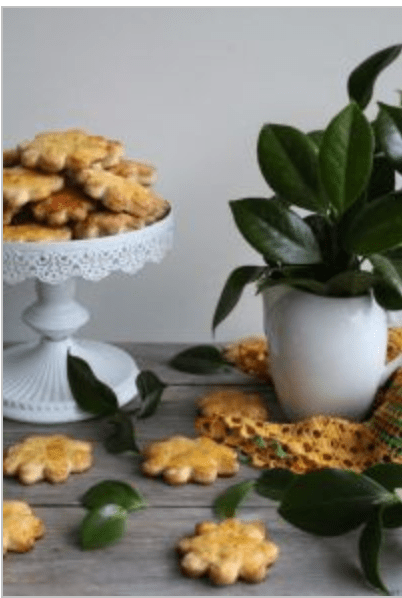
It is impossible to explore Terceira’s gastronomy without being struck by the quiet history embedded in its simplest recipes. One lesser-known yet deeply symbolic example is the Republican Cookies — modest in appearance, yet rich in memory. These were once tucked into baskets carried by families who would spend long hours attending Carnaval performances in the island’s philharmonic halls and community houses.
Their texture is humble; their ingredients basic. Flour, eggs, sugar, a hint of lemon — nothing extravagant. But therein lies their power. They were born of scarcity and ingenuity, of making something meaningful from very little. In that way, they mirror the Azorean spirit itself: resilient, inventive, generous. The cookies represent sharing and endurance — a sweetness that survives winter and accompanies the long nights of Carnaval.
Terceira’s gastronomy blends tradition and creativity. Do you feel that young cooks and entrepreneurs on the island are reinventing these Carnaval flavors?
Absolutely. Terceira has always been a place where tradition and imagination walk side by side. In recent years, a new generation of chefs and small food artisans has begun to reinterpret these classic Carnaval sweets. We now see filhós filled with rich creams or brightened with stronger notes of lemon. Some incorporate local products — incense honey, island cheeses — while others offer lighter or gluten-free versions, adapting to contemporary dietary sensibilities.
What is remarkable is that these reinventions do not erase tradition; they honor it. They allow the old recipes to breathe in the present moment. Even in these modern interpretations, Carnaval’s inclusive spirit shines through — a celebration that welcomes difference and invites everyone to the table.
If you had to choose a single flavor that represents the spirit of Terceira’s Carnaval, what would it be — and what makes it so unforgettable?
For me, it is the warm sweetness of freshly fried dough. That first bite — soft inside, lightly crisp outside, dusted with sugar and cinnamon — evokes crowded halls, animated conversation, the scent of spice rising in the air, and time stretching luxuriously without urgency.
It is unforgettable because it is not merely a taste. It is communal. Emotional. It carries laughter, music, and the rhythm of an island that knows how to celebrate together. On Terceira, every dish tells a story. And around the table, amid tradition and delight, what is truly celebrated is not only Carnaval — but the enduring identity of its people.
Recipe
Republican Cookies (Bolachas Republicanas)
Ingredients
- 1 kg all-purpose flour
- 3 eggs
- 250 g sugar
- Zest of one lemon
- 1 heaping tablespoon butter
- 1 heaping tablespoon lard
- 1 heaping tablespoon ammonium bicarbonate
- 1 cup hot milk (plus a little more if needed)
- 1 egg (for brushing)
- Sugar for decoration
- A pinch of salt
Instructions
Preheat the oven to 350°F (180°C).
In a large bowl, combine the flour, eggs, sugar, salt, and lemon zest. Mix well.
Dissolve the ammonium bicarbonate in a cup of hot milk. (It will bubble and rise — use a larger bowl and avoid inhaling the steam.) Add this mixture gradually to the dough.
Incorporate the butter and lard, kneading until the dough becomes smooth and workable. If necessary, add a bit more hot milk to achieve the right consistency.
Roll the dough thin and cut into flower shapes using a cookie cutter. Place the cookies on buttered and floured baking sheets.
Brush with beaten egg and sprinkle a few grains of sugar in the center of each cookie.
Bake until lightly golden. Once cooled, store in airtight containers — though on Terceira, they rarely last long enough to require storage.
The name, as far as we know, comes from Portugal’s transition from a Monarchy to a Republic in 1910.
From Diário Insular, José Lourenço-director

 Novidades - The Islands and the Diaspora