

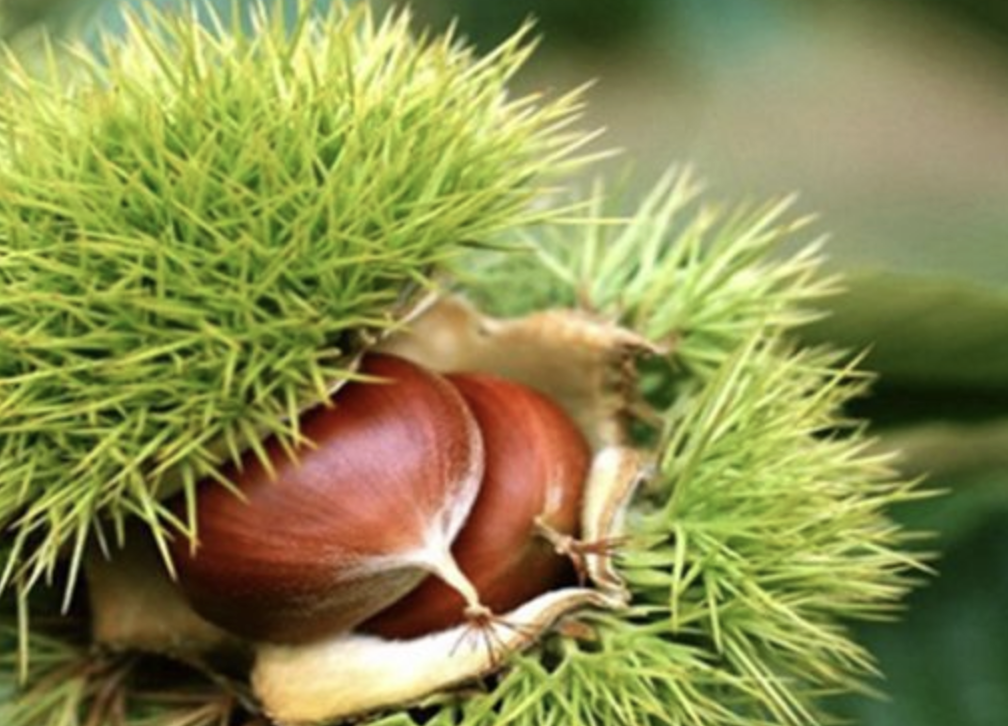
The Regional Secretariat for Agriculture and Food has commissioned the Gaspar Frutuoso Foundation to conduct a formal risk assessment on the potential introduction of the biological control agent Torymus sinensis into the Azores.
The decision is part of a broader regional strategy aimed at strengthening plant health safeguards, protecting agricultural ecosystems, and promoting sustainable solutions to combat pests that affect crops of both economic and environmental importance—most notably, the chestnut tree.
Torymus sinensis has been deployed in several countries as a biological control agent against the chestnut gall wasp (Dryocosmus kuriphilus), an invasive pest responsible for significant declines in chestnut productivity and tree vitality. But in an archipelago defined by ecological fragility and endemic biodiversity, any introduction of a non-native species requires careful scrutiny.
Officials say the assessment will examine potential impacts on native species and island ecosystems, evaluate ecological risks, and determine whether the species is suited to the region’s soil and climate conditions. The study will also weigh the proportionality and effectiveness of introducing the agent compared to alternative management strategies.
According to the Regional Secretary for Agriculture and Food, “The Government of the Azores is deeply committed to ensuring that any decision regarding the control of the chestnut gall wasp is made with full scientific rigor and absolute respect for our ecosystems.”
He added that “this risk assessment represents an essential step toward ensuring that all available options are analyzed in a responsible, balanced, and transparent manner.”
In a region where agriculture and biodiversity exist in a delicate balance, the government’s message is clear: innovation must walk hand in hand with caution.
In Diário Insular, José Lourenço-director
Translated into English as a community outreach program by the Portuguese Beyond Borders Institute (PBBI) and the Modern and Classical Languages and Literatures Department (MCLL), in collaboration with Bruma Publication and ADMA (Azores-Diaspora Media Alliance) at California State University, Fresno. PBBI thanks Luso Financial for sponsoring NOVIDADES.

 Novidades - The Islands and the Diaspora