


Sara Loureiro of the blog Happy Life in the Kitchen
In your culinary journey, have you come across a traditional Carnaval recipe that surprised you because of its history or the meaning it carries?
Over the years, in my humble effort through the blog to contribute to our Azorean identity and to the flavors of Terceira’s kitchen, there has been one Carnaval recipe that touched me deeply—not for its sophistication, but for the story it carries. Augusto Gomes wrote about it in his book Traditional Cuisine of Terceira Island: the “Carnival Delights,” our wonderful old-fashioned suspiros.
Another that continues to surprise me are the pumpkin fritters, bathed in a generous syrup so they could sustain people through the long, cold nights in the dance halls. They weren’t just sweets—they were energy, nourishment for those traveling from parish to parish.
What I’ve learned along the way is that Carnaval recipes in Terceira are rarely just about cooking. They are promises. They are strategies against the cold. They are acts of hospitality. And once you discover the story behind a dish, it never tastes the same again. It tastes deeper, fuller—more truly ours.
Terceira’s cuisine blends tradition and creativity. Do you feel that young chefs and entrepreneurs on the island are reinventing those flavors, including those tied to Carnaval?
As someone who loves to keep her “hands in the dough,” I believe young cooks and entrepreneurs in Terceira are making a real effort to revalue traditional flavors—including those we associate with Carnaval—while also introducing influences from beyond the island.
Today, it’s no longer enough to simply repeat recipes as they were made fifty years ago. There’s a genuine curiosity to reinterpret them. But that reinterpretation must be done with care and respect. We have to preserve what we’re carrying forward. Otherwise, we risk destroying the very tradition we’re trying to honor.
We now see creative versions of classic Carnival sweets. Malassadas and filhós still grace the tables, but they appear with surprising fillings—bitter orange creams, island liqueurs—contrasting textures like artisanal ice cream beside warm fried dough, or modern accents such as a touch of sea salt, homemade jams, or honey.
A thoughtful reinterpretation can breathe new life into a familiar sweet without erasing the emotional memory we all carry. Restaurants and cafés have begun offering Carnaval-themed menus that, in many ways, tell stories at the table. It’s not just about cooking—it’s about narrating rituals, memories, and the small details that make Carnival what it is.
These reinventions don’t erase tradition; they expand its meaning. A young chef may serve a canapé inspired by fried filhós, but there will always be room in our home kitchens for the family recipes passed down from generation to generation.
To me, that’s the true wealth of Terceira’s gastronomy: holding onto its spirit while embracing the new.
If you had to choose a single flavor that represents the spirit of Carnaval in Terceira, what would it be? What makes it so memorable?
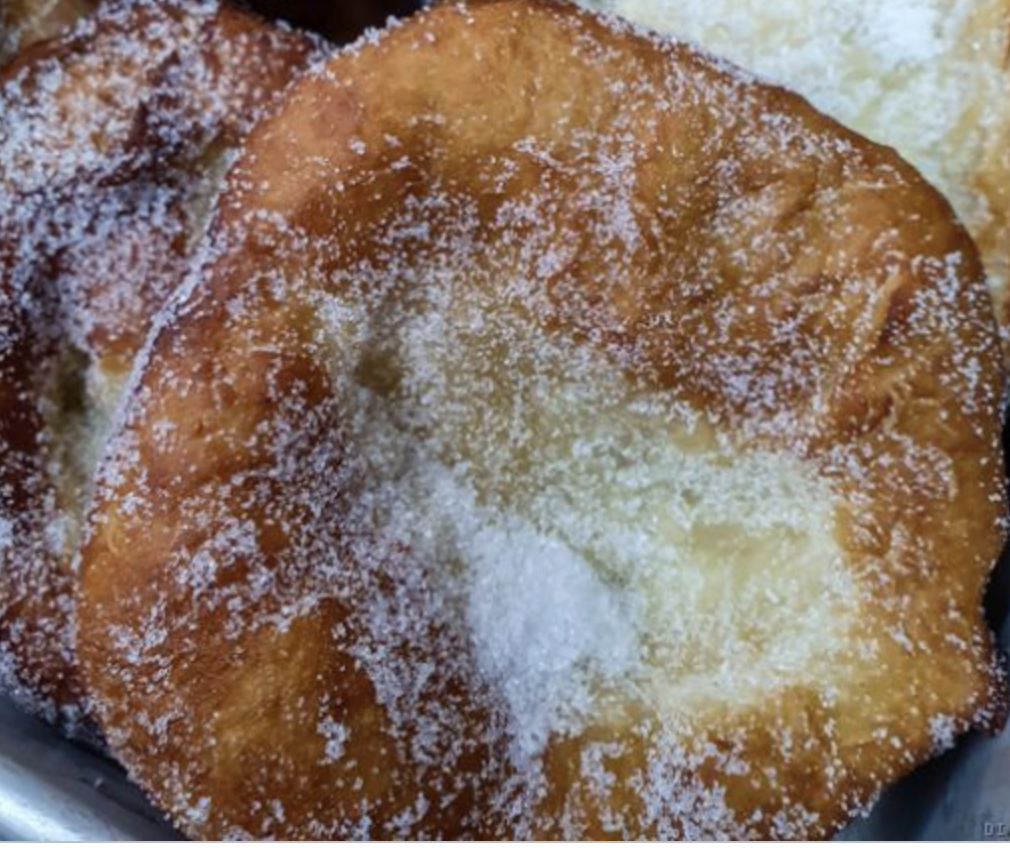
Without hesitation, I would choose filhós de forno—the baked version. They have a quiet elegance that says so much about our Carnaval.
If I had to reduce the spirit of Terceira’s Carnaval to a single taste, it would be theirs: gently sweet, perfumed with lemon zest, soft and tender inside, lightly golden on the outside.
What makes them so distinctive?
First, they’re baked. While malassadas demand frying and constant motion, baked filhós require time and patience—almost like the pause between one dance and the next.
Then there’s the aroma. As they bake, the house fills with the warm scent of dough rising and cooking. Carnaval in Terceira isn’t only exuberance; it’s also comfort. It’s a full house, an oven glowing on a cold February night. That is what baked filhós represent to me: a sweet that tastes of tradition, of calm in the middle of celebration, and of a hospitality that never fails.
Baked Filhós with Lemon Cream
Ingredients (makes about 18 medium filhós)
For the dough:
- 5 eggs
- A pinch of salt
- 250 g all-purpose flour
- 1 teaspoon baking powder
- 250 ml milk
- 250 ml water
(Important: all ingredients should be at room temperature, except the water.)
Lemon Cream Filling
- 2 whole eggs + 4 egg yolks
- 500 ml milk
- 250 g sugar
- 2 tablespoons cornstarch
- Zest of 2 lemons
Traditional Method
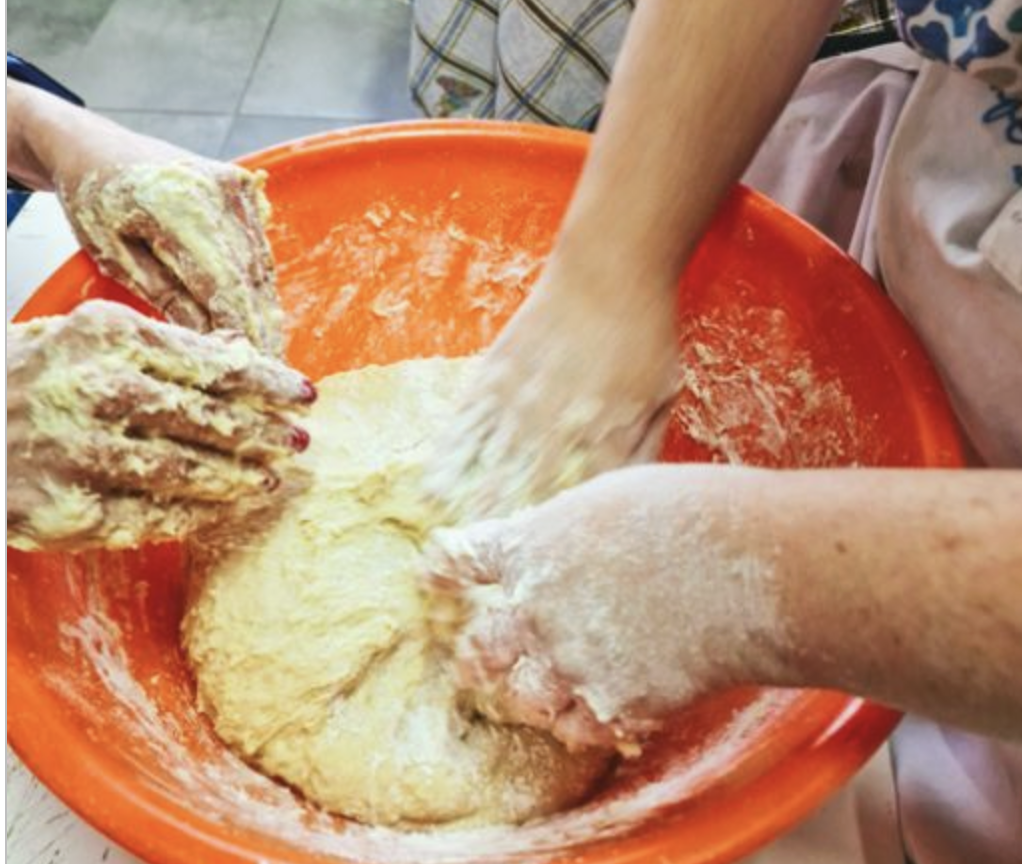
Beat the eggs with a mixer or whisk for at least 10 minutes. They should become pale, airy, and creamy.
Meanwhile, sift together the flour and baking powder and set aside.
Once the eggs are well beaten, begin incorporating the liquids, the flour mixture, and the pinch of salt alternately. If necessary, mix briefly at the end to ensure the flour is fully incorporated and no lumps remain.
Grease muffin tins (medium-sized work well, though traditionally larger molds are used) with oil and flour or baking spray. Fill each mold about three-quarters full.
Bake in a preheated oven at 250°C (the key to these filhós is the high temperature). After a few minutes, you may lower the heat slightly to 220°C. Bake for about 20 minutes, or until golden and a toothpick inserted comes out mostly dry.
Remove from the oven and let cool slightly in the molds before carefully transferring them to finish cooling. Do not stack them while warm, as they tend to collapse.
While the filhós are baking, prepare the lemon cream. Dissolve the cornstarch in a small amount of the milk. Combine all ingredients in a saucepan and cook over low heat, stirring constantly to prevent sticking. When the mixture thickens into a smooth custard, remove from heat and let cool.
Once both the filhós and cream are fully cooled, slice each one horizontally along its natural ridge and fill generously with lemon cream.
Serve, share, and let the story continue.
In Diário Insular, José Lourenço, director
Translated into English as a community outreach program by the Portuguese Beyond Borders Institute (PBBI) and the Modern and Classical Languages and Literatures Department (MCLL), in collaboration with Bruma Publication and ADMA (Azores-Diaspora Media Alliance) at California State University, Fresno. PBBI thanks Luso Financial for sponsoring NOVIDADES.

 Novidades - The Islands and the Diaspora