

Guitarist and composer Luís Bettencourt was just a kid when he began performing at Lajes Air Base, at the height of the American presence on Terceira Island. He took the stage with bands like Os Faíscas and Os Sombras. The atmosphere, he recalls, felt magical — like stepping into a movie.
“It was the base… the blonde American girls were there, the American hair and clothes, the music we were playing. By ’68, we were already playing heavy metal,” he says.
Pedro Melo, owner of the Garça restaurant and bar in Praia da Vitória, also performed at the base, playing alongside “American guys.” For them, their friends and the stories of that era always led back to Lajes. So it felt only natural that about three years ago they began discussing the idea of dedicating one of the restaurant’s rooms to the history of the military base. Tomorrow, that space officially opens.
Over the years, Pedro Melo had collected photographs and saved American appliances from the period. Luís Bettencourt brought in images he had gathered. Word spread. Slowly, more memories began arriving: an old television set, a period sofa, books.
Among the rare items is a radio from a B-29 bomber. There’s also a metal plate from the runway, an American laundry bag, and other curiosities that echo a time that profoundly shaped the island.
And then there are the stories — like the “four a.m. caddies,” or the “gleaming upright Chappell piano” that performer Florence Desmond sent to the “R.A.F. boys in the Azores” in exchange for 14 Azorean pineapples after appearing at the base.
“Sadly, about 50 years later, Florence Desmond’s ‘Piano’ — and ours — met a tragic end. It disappeared into the rubble of a once-great house of culture. The destruction of our Cinema Azória at B.A.4 will forever stand as a symbol of the lack of cultural sensitivity and vision,” reads one of the texts displayed in the Garça room.
“It Was As If America Came to Us”
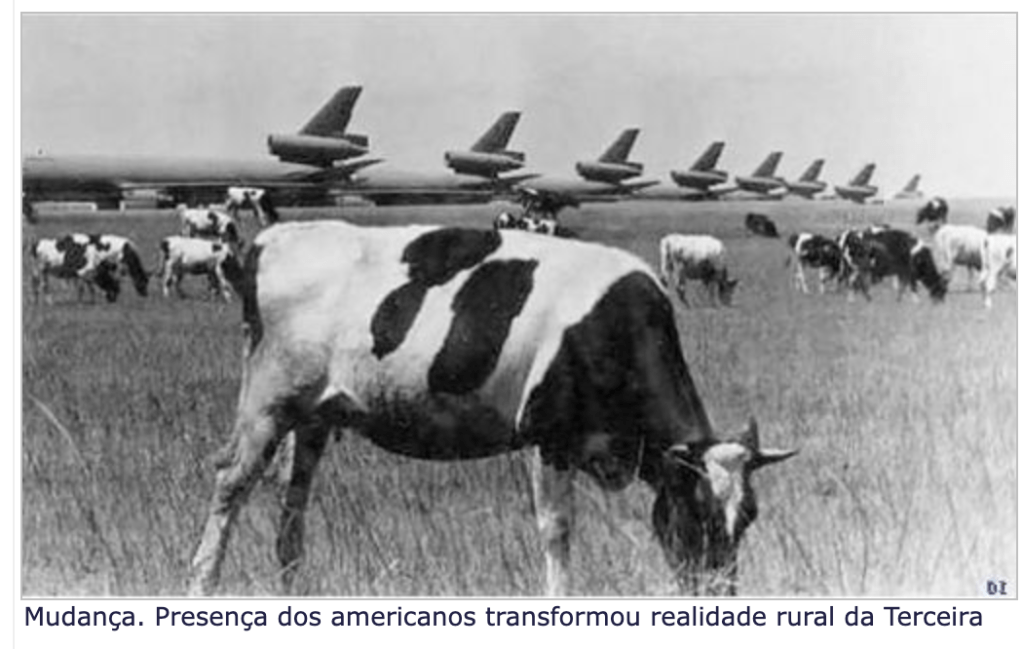
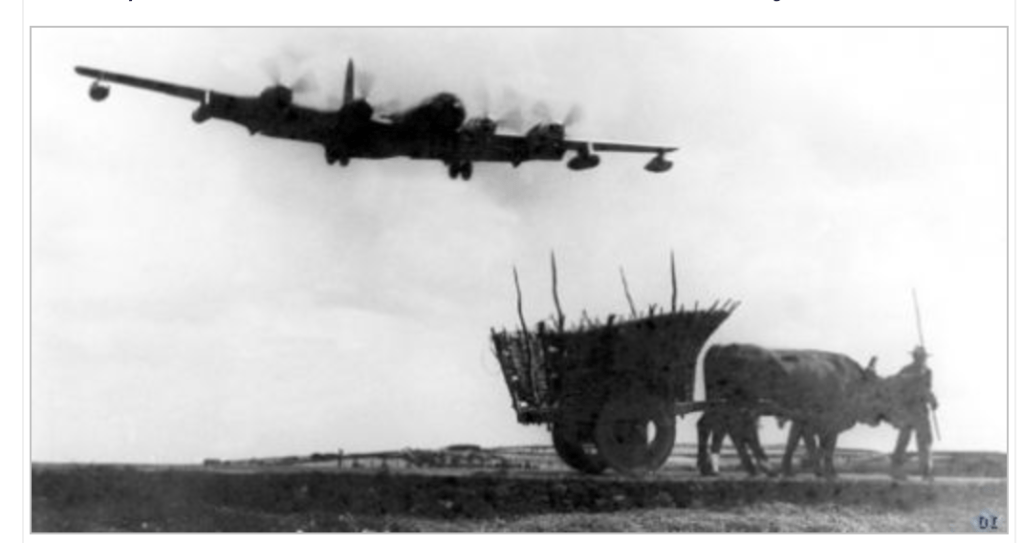
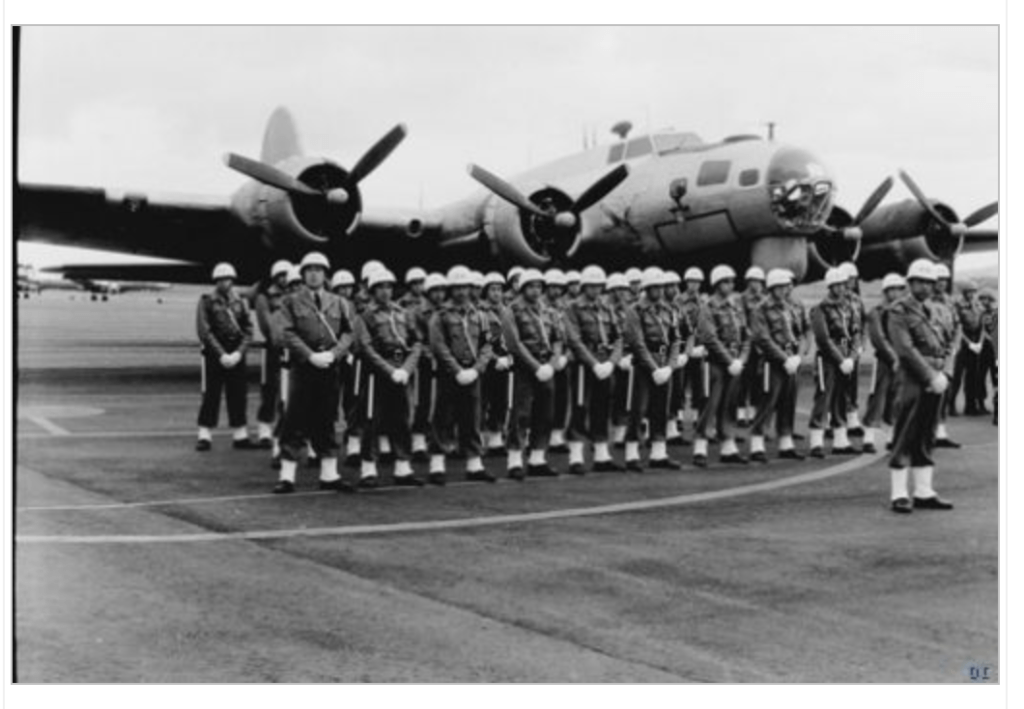
The black-and-white photographs reveal how the American presence transformed rural Terceira. Visitors can glimpse the Riviera Bar, see Frank Sinatra’s style when he passed through Lajes, and revisit the visit of President Kennedy.
The exhibit also tells the story of the British troops who left the base on June 6, 1946 — nearly 80 years ago.
Bettencourt explains that the goal is to preserve and share memories. The space will host small gatherings and intimate concerts, though it is not intended to be a formal museum.
“Once a month, or every couple of months, we want to hold a small roundtable about the base and record people’s testimonies. Start transcribing them, preserve the image. Let people come and tell their stories,” he says.
One testimony already recorded is that of Ilídio Gomes, who worked at Channel 8, the television station created for military personnel that also reached local homes.
“I never had a better boss,” Gomes says in a video. “How can I explain it? It was like America came to us. There was American television and American radio, American music — and we became a little Americanized too. But we loved it all. It was very good for local development. We learned a lot from living alongside the Americans and from their freer way of being.”
Bettencourt has many stories of his own, especially about his American friends.
“We mustn’t forget,” he says, “that many of those in the U.S. Air Force were of Mexican or Puerto Rican descent. There was a strong bond between us, because they understood what it meant to be Latino.”
There was the bus that picked up Portuguese workers, the sliced bread and orange cheddar cheese that came with it, the shopping at the base. American products — Coca-Cola, blue jeans — arrived on the island before they reached anywhere else in Portugal.
“It was a time when we’d buy — or steal — Coca-Cola from the Americans, cheap whiskey and blue jeans, and smuggle them to São Miguel to sell when we went there to play,” he adds with a laugh.
Now, in Praia da Vitória, there is a space still “under construction,” ready to receive more objects and memories, Bettencourt promises.
“In the end, like it or not, we are closer to that ‘big fenced-in place’ than people might think. If you don’t know that, you need to learn — because there are so many fascinating stories out there. It was a magical time.”
Like living inside a movie.
In Diário Insular, José Louremço-director
Translated into English as a community outreach program by the Portuguese Beyond Borders Institute (PBBI) and the Modern and Classical Languages and Literatures Department (MCLL), in collaboration with Bruma Publication and ADMA (Azores-Diaspora Media Alliance) at California State University, Fresno. PBBI thanks Luso Financial for sponsoring NOVIDADES.

 Novidades - The Islands and the Diaspora