


Serviço de Lotas dos Açores, S.A. (Lotaçor), the public company that underpins the Azorean fishing sector, is facing significant financial and cash-flow pressure, raising concerns about its ability to meet routine obligations, including payroll, according to a source close to the company.
The situation is reportedly compounded by delays in transfers from the Regional Government of the Azores, the company’s sole shareholder. Those delays, the source said, have intensified liquidity constraints at a time when operating costs continue to climb.
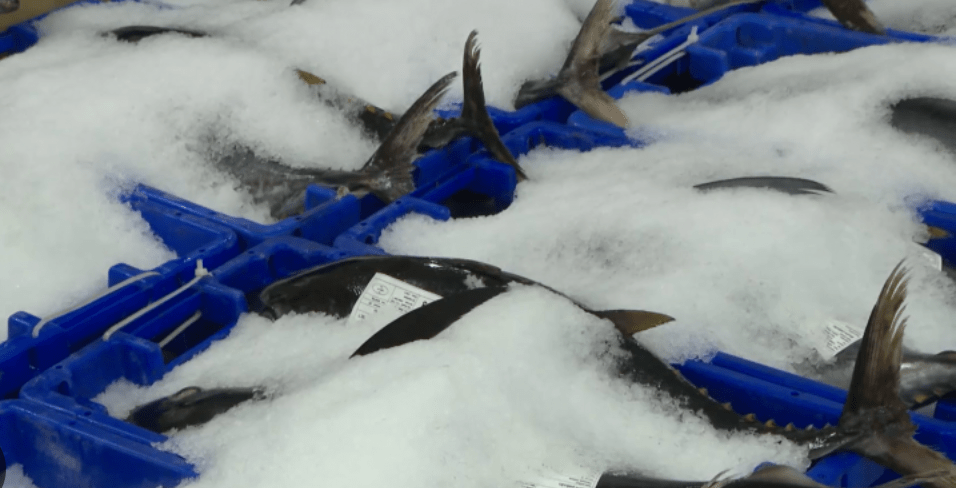
Lotaçor plays a structural role in the Region’s fisheries value chain. Beyond overseeing the first sale of fish and ensuring regulatory compliance, the company manages fish auction houses, ports and fishing hubs, as well as cold storage and ice production infrastructure essential to the sector’s daily operations. Any prolonged strain on its cash position, the source warned, could affect equipment maintenance and operational responsiveness in an industry that depends on the uninterrupted functioning of docks, auctions, ice plants, and refrigeration systems.
The company’s financial difficulties intersect with an ongoing public debate over updating service fees and cost tables. Industry opposition to higher rates reflects broader concerns about operating costs, competitiveness, and fishermen’s income. At the same time, the source noted, Lotaçor “requires financial rebalancing in a context where fixed production costs have been rising both nationally and within the Region.”
At the heart of the matter lies a deeper tension. “The discussion about updating Lotaçor’s pricing is a political issue that benefits no one if it becomes politicized,” the source said. While operators in the fishing sector struggle to absorb fee increases, the public company continues to face escalating costs without what is considered sufficient public compensation for the collective services it provides.
In this context, revising service fees and strengthening funding through formal program contracts with the Regional Government are viewed as key instruments to stabilize operations. The source advocated for “transparent, contractual, and adequate public compensation for these services, rather than reliance on ad hoc adjustments and short-term cash-flow solutions.”
Without structural corrections to both funding mechanisms and the service delivery model, pressure on Lotaçor is likely to persist—potentially affecting the reliability of a service that remains essential to the Azorean fisheries sector.
Lotaçor’s Board of Directors was contacted by Diário dos Açores but had not issued a statement as of press time.
In Diário dos Açores-Paula Viveiros, director
Translated into English as a community outreach program by the Portuguese Beyond Borders Institute (PBBI) and the Modern and Classical Languages and Literatures Department (MCLL), in collaboration with Bruma Publication and ADMA (Azores-Diaspora Media Alliance) at California State University, Fresno. PBBI thanks Luso Financial for sponsoring NOVIDADES.

 Novidades - The Islands and the Diaspora