

History has taught the islands of the Atlantic a hard lesson: even the most distant conflicts eventually arrive at our shores. The instability now unfolding in the Middle East—sparked by the invasion of Iran by the United States and Israel—is still in its opening chapter. Yet the social, economic, and military consequences are already visible on the horizon. They will reach not only the nations directly involved in the conflict but also those, like the Azores, that lie far from the theater of war yet remain tied to its geopolitical currents.
For those of us who live and labor in this Atlantic archipelago, distance no longer guarantees tranquility. The military arsenals involved in the conflict are immense, and the presence of American forces at the Lajes Air Base—long considered a pillar of transatlantic cooperation—now introduces a new layer of unease. What once symbolized strategic partnership may, in times of escalating war, become a source of vulnerability.
In a single moment—no one knows when—the quiet rhythm of these islands could be disrupted if the United States were to activate the base for military operations related to the conflict. The Azores, a small but increasingly renowned tourist destination, could see their fragile economic gains jeopardized. Tourism operators and visitors who recently placed the archipelago high on their list of destinations might begin to look elsewhere, wary of instability.
The island economy can ill afford such a shock. Tourism, though growing impressively in recent years, remains a delicate sector. The Azores have not yet reached the stage of established destinations that attract visitors year-round. Even in places far more consolidated—such as the Greek islands or Sicily—the low season forces many hotels to close their doors, leaving only a handful operating in the niche market of conference tourism.
In the Azores, however, progress has been unmistakable. Across the islands, new hotels have emerged in multiple segments, from traditional hospitality to rural tourism and short-term accommodations. Restaurants and related services have multiplied, signaling a dynamic and hopeful transformation of the regional economy. Yet this growth has been accompanied by persistent challenges, particularly the shortage of qualified labor—a problem aggravated by low wages that discourage long-term commitment to the sector.
And now another shadow looms over these investments. Much of the recent expansion in tourism was financed by private capital and European funds, all of it dependent on one indispensable condition: peace and economic stability. If the conflict in the Middle East drags on, the consequences will be felt first in vulnerable destinations—places perceived as exposed or uncertain. The Azores, despite their beauty and serenity, could fall into that category.
Conversely, if political change within Iran were somehow to occur peacefully and gain acceptance among its population—an outcome that history suggests is difficult—the tourism flows from North America and Europe might continue to favor the islands. But such optimism rests on uncertain ground.
In times like these, Azoreans would do well to reflect on the deeper foundations of their economic development. The history of the islands has always moved in cycles of growth and decline. Some have been more successful than others. In recent decades, prosperity has been tied to agriculture—particularly dairy production and the transformation of milk products—and to livestock farming geared toward export markets.
More recently, tourism has surged with remarkable speed, dragging other sectors along in its wake: construction, commerce, services, and employment. Yet all of this depends on something no government can guarantee alone—the maintenance of peace and the steady performance of the global economy.
One hopes that the leaders of nations, aware of the fragility of the world they govern, will do everything in their power to foster understanding among peoples rather than resorting to arms as the first and principal instrument of policy. Peace should not be the byproduct of exhaustion after war; it should be the starting point of diplomacy.
While the winds of global uncertainty gather offshore, another crisis—more local but no less urgent—continues to trouble the daily lives of islanders.
This week the regional government visited Pico Island, following a statutory tradition that has been honored for decades. In every such visit that I can recall, one subject has invariably appeared on the agenda presented by the Island Council: health care. The persistence of this demand tells its own story. If the issue continues to surface year after year, it is because it has never been addressed—or resolved—as it should have been.
Years ago, residents were promised that the new health center in São Roque would include maternity services. That promise never materialized. Later, a new health center was built in Madalena, raising hopes that Pico’s patients would finally receive a broader range of medical specialties without having to leave the island. Those hopes, too, faded quickly.
Hospitalizations are still largely referred to Faial. Even specialized consultations are rare on Pico itself, forcing residents to cross the channel for appointments that could often be handled locally—or, in many cases, through telemedicine. Patients sometimes travel simply to meet the anesthesiologist for a surgery whose date remains uncertain, a process that could easily be managed remotely.
Despite claims from the president of the regional government that there was “a significant increase in healthcare activity on the island in 2025,” the available data tell a different story. Nearly 42 percent of consultations were concentrated in only two areas—physiatry and internal medicine—both tied to a physician from the Horta Hospital who attends patients at the Madalena Health Center.
Had the full statistics been disclosed, it would have become clear that the number of consultations in other specialties remains negligible, especially when compared with the daily flow of Pico residents traveling to Horta’s hospital, where they receive no priority in treatment.
Indeed, the numbers reveal a troubling regression. According to data from the Regional Statistics Service, there were 13,642 fewer general and family medicine consultations on Pico in 2025 than in the previous year: 97,411 in 2024 compared with just 83,769 in 2025. This decline unfolded quietly over the course of the year, without decisive measures being taken to reverse the trend.
Equally alarming is the continued absence of family doctors for roughly 4,500 patients—about one-third of Pico’s population. Anyone familiar with the slow pace of medical recruitment knows that this gap will not be filled overnight.
For this reason, the creation of a joint Faial–Pico hospital center, along with a shared health unit whose professionals could complement each other’s services, is becoming not merely desirable but urgent. Such a reform of the Regional Health Service would require political courage, particularly if it challenges entrenched interests.
On mainland Portugal, similar models of integrated hospital care have improved services for local populations. The question now facing the Azores is simple but profound: do our leaders have the resolve to follow successful examples and reform the hospital system in the interest of the islands’ most vulnerable citizens?
The question remains. It deserves an answer—one that is both courageous and immediate.
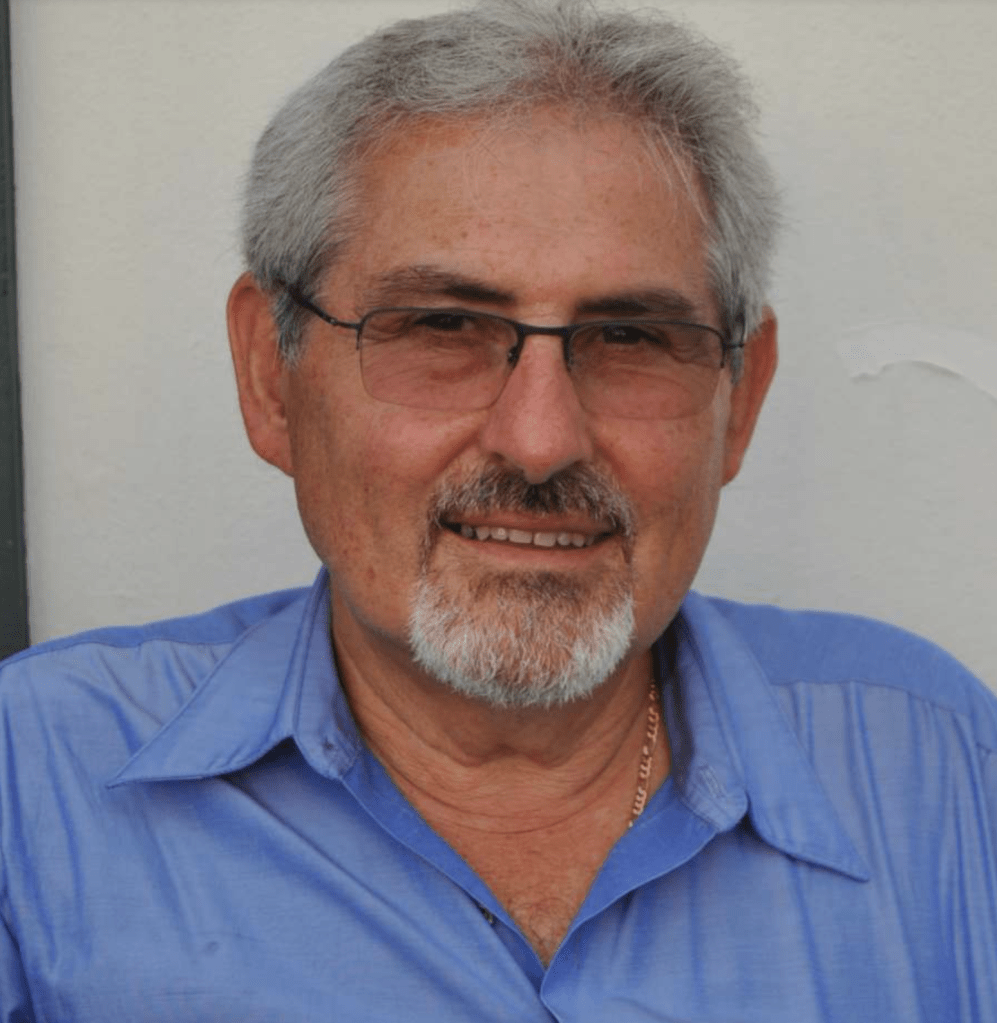
José Gabriel Ávila is a retired journalist who writes a weekly column for the newspaper Diário dos Açores. He is from Pico Island, the Azores.
 Novidades - The Islands and the Diaspora