

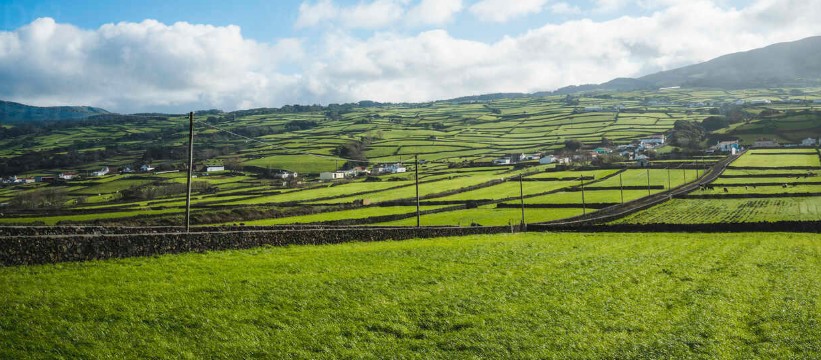
The Government of the Azores, through the Regional Secretariat for Agriculture and Food, is strengthening the Azores Agricultural Monitoring and Warning Network (RMAAA), a system considered strategic for protecting crops and promoting sustainable farming practices across the archipelago.
Managed by the Regional Directorate for Agriculture, Veterinary Affairs and Food (DRAVA), the network combines phytosanitary monitoring with meteorological observation, allowing authorities to issue timely alerts to farmers and agricultural technicians.
The system’s central goal is to anticipate risks related to pests and plant diseases, helping producers reduce the unnecessary use of phytopharmaceutical products. At present, the infrastructure includes 55 Automatic Weather Stations (EMAs) and 105 Biological Observation Posts (POBs) spread across the nine islands of the Azores: Terceira (24), Santa Maria (19), São Miguel (15), Graciosa (12), Pico (11), São Jorge (9), Faial (9), Flores (3), and Corvo (3).
At these monitoring sites, technicians use traps and direct observation to track organisms that pose risks to the agricultural sector, including the fruit fly, the spotted wing drosophila, the Japanese beetle, and the banana weevil, as well as fungal diseases such as downy mildew and powdery mildew affecting vineyards.
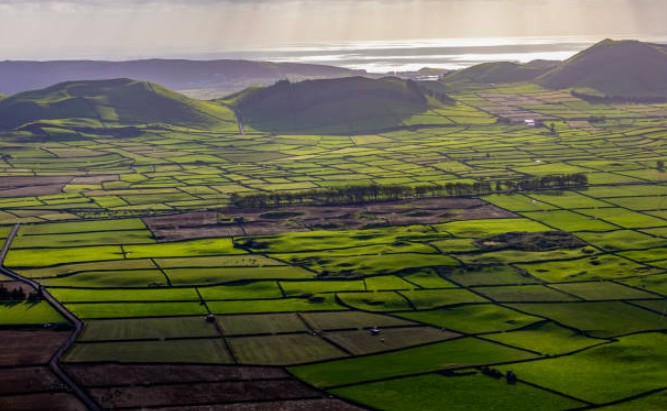
All climatic and biological data collected feed into advanced forecasting models and are integrated into a digital platform and mobile application. The system then generates precise risk alerts and provides real-time technical recommendations to farmers.
According to Regional Secretary for Agriculture and Food António Ventura, the RMAAA “represents an essential pillar in the modernization of agriculture and the sustainable protection of crops across all the islands of the archipelago.”
“Today more than ever, strengthening this infrastructure means giving farmers better tools to anticipate risks, plan interventions with greater confidence, and reduce the unnecessary use of phytopharmaceutical products,” Ventura said, as quoted on the Azores Government’s official portal. “This is an investment in knowledge, innovation, and the resilience of our agricultural sector.”
Ventura added that the technological reinforcement of the network represents “a decisive step to ensure that Azorean agriculture continues to stand as a benchmark of quality, sustainability, and protection of natural resources.”
Field data collection—previously carried out through collaborative efforts with agricultural associations and cooperatives—is now entering a gradual transition to the Island Agricultural Development Services, strengthening the technical capacity of the regional public administration.
In Correio dos Açores- Natalino Viveiros, director
Translated into English as a community outreach program by the Portuguese Beyond Borders Institute (PBBI) and the Modern and Classical Languages and Literatures Department (MCLL), in collaboration with Bruma Publication and ADMA (Azores-Diaspora Media Alliance) at California State University, Fresno. PBBI thanks Luso Financial for sponsoring NOVIDADES.

 Novidades - The Islands and the Diaspora