

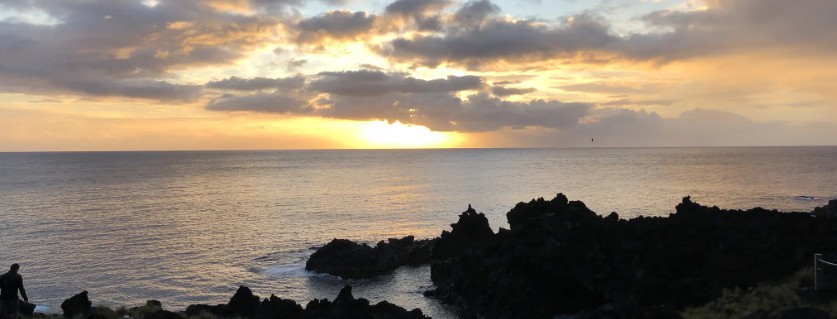
The implementation of the Azores’ vast new marine conservation system has ignited a lively debate within the international scientific community, pitting supporters of the initiative against critics who question its overall effectiveness.
At the center of the discussion is the Rede de Áreas Marinhas Protegidas dos Açores (RAMPA), a sweeping conservation framework that covers roughly 287,000 square kilometers of ocean between six and 200 nautical miles from the islands. Widely described as the largest marine protected network in the North Atlantic, the project aims to safeguard marine biodiversity while helping Portugal meet the goals of the Kunming-Montreal Global Biodiversity Framework, which calls for protecting 30 percent of the planet’s marine and terrestrial habitats by 2030.
The network officially came into force in January after a brief delay by the Regional Government of the Azores, which said the postponement was necessary to ensure legal support mechanisms were in place for the fishing fleet and to prevent negative economic impacts on the sector. Supporters have described RAMPA as a landmark step in Portuguese marine conservation.
Yet the initiative has also drawn scrutiny. The debate gained global attention after a series of academic letters published in the journal Science brought competing perspectives into the spotlight.
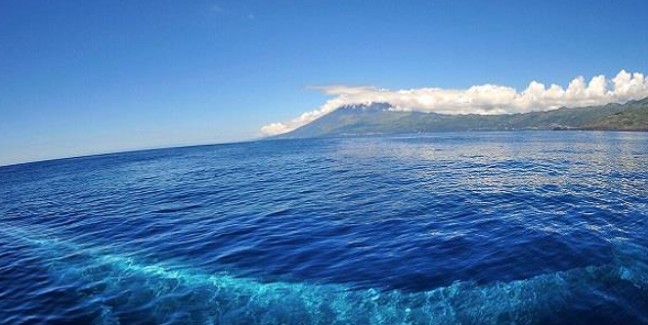
In a letter published on February 5, researchers from the Center for Ecology, Evolution and Environmental Changes at the University of the Azores—working with scientists from Mexico, Brazil, Australia, and Panama—argued that the current network largely protects deep-water ecosystems while leaving coastal habitats insufficiently safeguarded.
“The majority of marine protected areas in the Azores are located in deep waters, and none adequately protect coastal ecosystems, where the greatest fish biomass is concentrated,” the researchers wrote.
Their critique triggered responses from other academics who defend the strategy behind the network, arguing that RAMPA represents an important first step toward broader marine conservation and that its design reflects a phased, long-term approach.
The exchange of views has placed the Azores at the center of a global conversation about how marine protected areas should be designed—and how governments can balance environmental sustainability with the economic realities of fishing communities that depend on the sea.
In Diário dos Açores-Paulo Viveiros, director
Photos from Conde Nast and Responsible Travel.
Translated into English as a community outreach program by the Portuguese Beyond Borders Institute (PBBI) and the Modern and Classical Languages and Literatures Department (MCLL), in collaboration with Bruma Publication and ADMA (Azores-Diaspora Media Alliance) at California State University, Fresno. PBBI thanks Luso Financial for sponsoring NOVIDADES.
 Novidades - The Islands and the Diaspora