

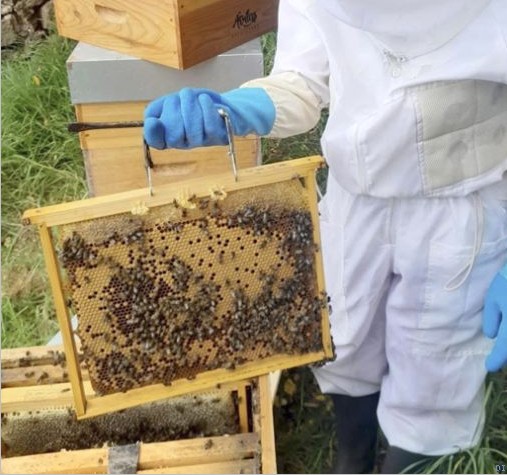
Azores PDO (Protected Designation of Origin) honey has recorded significant growth over the past decade, driven by a sharp increase in certified producers and a steady expansion in output between 2019 and 2025, according to data from the Institute of Food and Agricultural Markets (IAMA).
Over this period, the number of approved producers nearly doubled, rising from 35 to 68. At the same time, those actively using PDO certification climbed from 10 to 41, signaling a stronger commitment to quality standards and product differentiation.
Production has followed the same upward trajectory, increasing by 63%, from 5,864.73 kilograms in 2019 to 9,554.6 kilograms in 2025. The figures underscore the growing dynamism of the Azores’ beekeeping sector and its potential for economic value creation within the region.
At the island level, Santa Maria posted the most striking gains, with production rising from 145.25 kilograms to 1,055.4 kilograms over the period analyzed. São Miguel doubled its output, while Terceira maintained steady growth, reaching 2,486.5 kilograms in 2025. Pico, by contrast, saw a slight decline.
Despite the overall positive trend, annual production remains vulnerable to fluctuations. Weather conditions, flowering cycles, disease pressures, and the broader impacts of climate change continue to play a decisive role in shaping beekeeping outcomes.
A Product Rooted in Identity
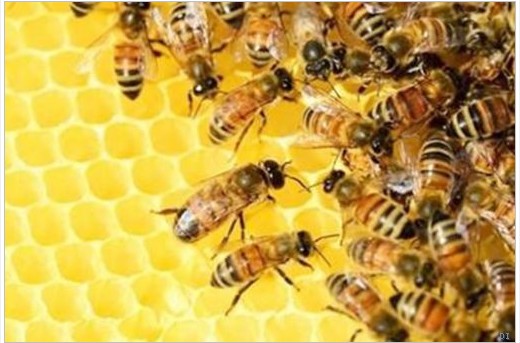
Regional Secretary for Agriculture and Food, António Ventura, emphasized the symbolic and economic importance of the product, stating that “Azores PDO honey proves that with dedication and resilience, quality improves, production flourishes, and Azorean identity gains even more flavor.” He added that the sector is still developing, noting that “all honey produced finds a market.”
Between 2023 and 2025, public support for the sector was significantly strengthened, with measurable impacts on productivity and quality. Key measures included investment incentives, equipment subsidies, per-hive support, training programs, tax benefits, and initiatives to improve bee nutrition.
Additional efforts have focused on sustainability and modernization, including public wax sterilization services, upgraded processing infrastructure, and the distribution of nectar-rich plant species to support bee populations.
The continued expansion of both certification and production reinforces the strategic role of Azorean PDO honey in the local economy. It also supports the preservation of traditional practices, while aligning with broader regional policies aimed at reducing imports and strengthening the islands’ productive capacity.
In Diário Insular-José Lourenço, director
Translated into English as a community outreach program by the Portuguese Beyond Borders Institute (PBBI) and the Modern and Classical Languages and Literatures Department (MCLL), in collaboration with Bruma Publication and ADMA (Azores-Diaspora Media Alliance) at California State University, Fresno. PBBI thanks Luso Financial for sponsoring NOVIDADES.
 Novidades - The Islands and the Diaspora