

The first breath of spring has finally stilled the long stretch of cold and storm that battered the Azores in recent months. On a brief visit to Pico—known as the “Ilha Maior”—the mountain revealed itself only in fragments, its dark volcanic mass still streaked with remnants of snow beyond the clouds. Yet below, life stirred in quieter, more intimate ways: the scent of blooming incense trees drifted across cultivated الأرض, where fields lie ready for the planting of potatoes, corn, and vegetables that sustain a population increasingly marked by age and absence.
This is an island shaped as much by those who have left as by those who remain. Depopulation lingers in the silence of its villages, even as anticipation builds for the arrival of visitors who, year after year, momentarily reverse that tide. Tourism, once again, stands as both promise and uncertainty—particularly in a world unsettled by geopolitical tensions, where even distant conflicts may influence the choices of those seeking rest and امنیت.
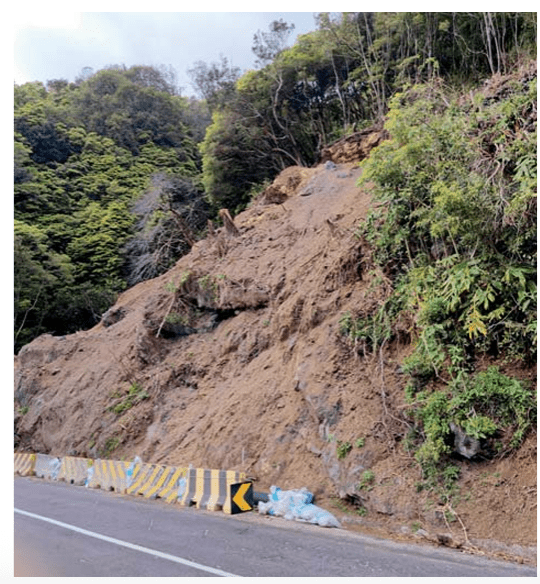
But beneath the seasonal rhythms lies a more immediate тревога: the fragility of infrastructure and the cost of neglect. Along the southern road in the parish of Ribeiras, recent landslides have once again exposed the vulnerability of the island’s main arteries. Massive falls of earth and rock have blocked passage in multiple locations, at one point forcing residents traveling between Lajes and Piedade to take detours exceeding 100 kilometers. Though the road has since reopened, fear remains. The slopes above still threaten further collapse, and with no alternative route available, mobility—and safety—hang in precarious balance.
For many, the deeper concern is not the landslide itself, but the sense that it was foreseen and yet unaddressed. Authorities had long been warned. Precautionary measures, residents argue, were neither timely nor sufficient. The result is a growing erosion of confidence—not only in the roads, but in governance itself.
That erosion echoes a broader historical disquiet. Fifty years after the establishment of the Azorean Autonomous Region, what was once a project of hope is increasingly subject to critical reflection. Autonomy was born of distance—of the belief that decisions made in Lisbon failed to grasp the realities of island life, and that a decentralized government would be more responsive, more just.
Yet for some observers, that promise remains only partially fulfilled. The administrative structure that emerged did not dismantle centralism so much as relocate it. Power consolidated in the former district capitals—Ponta Delgada, Angra do Heroísmo, and Horta—while other islands continued to operate on the margins of decision-making. Even successive revisions of the Autonomous Statute have left this structure largely intact.
In an era defined by digital connectivity, such concentration appears increasingly anachronistic. Modern communication technologies have rendered physical proximity less decisive, raising questions about why executive power remains so geographically confined. The persistence of this model, critics argue, undermines not only efficiency but also the broader aspiration of a truly participatory and territorially balanced governance.
Calls for reform, however, have focused elsewhere—on symbolic institutional changes rather than structural redistribution of power. Debates around the role of the Republic’s representative dominate political discourse, while more consequential questions about the location and distribution of regional authority remain largely unaddressed.
The result is a paradox at the heart of Azorean autonomy: a region that continues to demand greater decentralization from the state, while struggling to decentralize itself internally.
Between the scent of spring blossoms and the instability of collapsing cliffs, the islands stand suspended between renewal and uncertainty. The land prepares for planting, the roads await repair, and the political system—half a century on—still confronts the unfinished work of bringing governance closer to the people it was meant to serve.
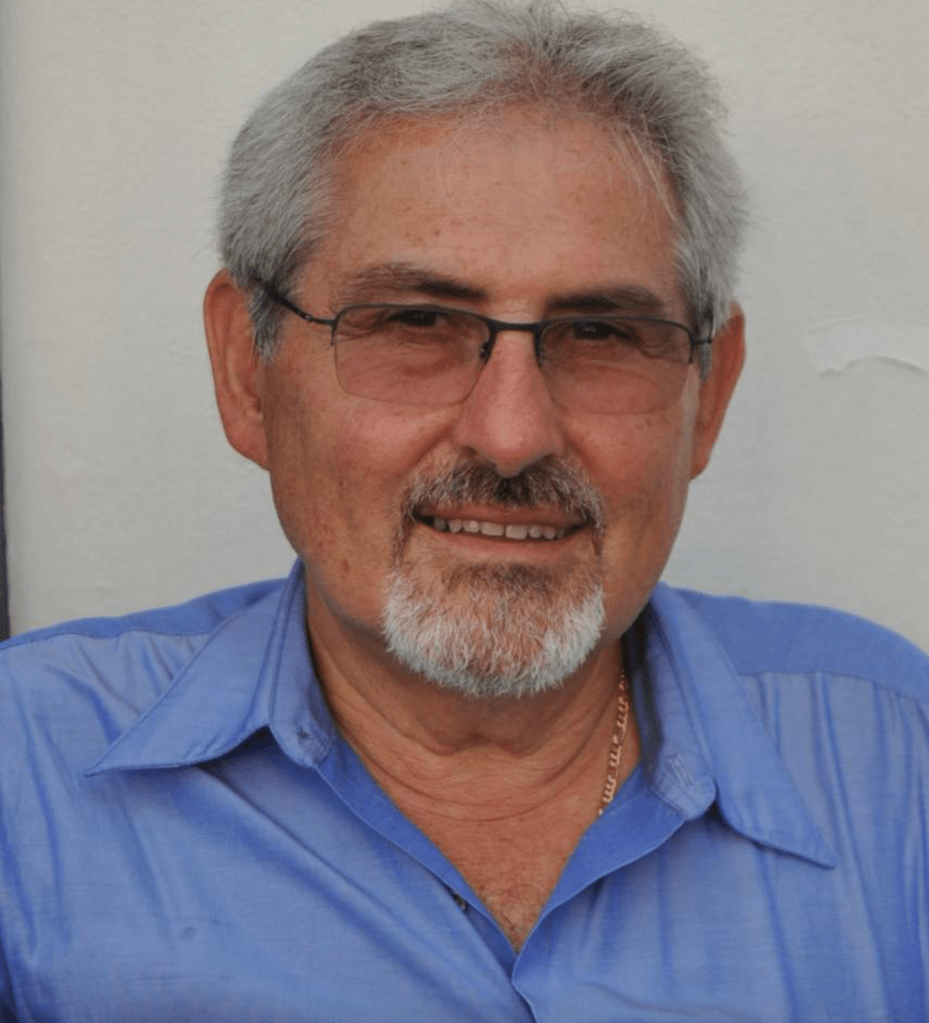
José Gabriel Ávila
Journalist, c.p. 239 A
Article in Portuguese…https://escritemdia.blogspot.com/?view=classic
José Gabreil Ávila is a retired journalist with many years of experience at RTP-Açores-the regional public television service. He now maintains a very active blog and writes for several Azorean newspapers.
NOVIDADES will feature occasional opinion pieces from various leading thinkers and writers in the Azores, giving the diaspora and those interested in the current state of the Azores a sense of the significant opinions on some of the archipelago’s issues.
Translated to English as a community outreach program from the Portuguese Beyond Borders Institute (PBBI) and the Modern and Classical Languages and Literatures Department (MCLL).
 Novidades - The Islands and the Diaspora