

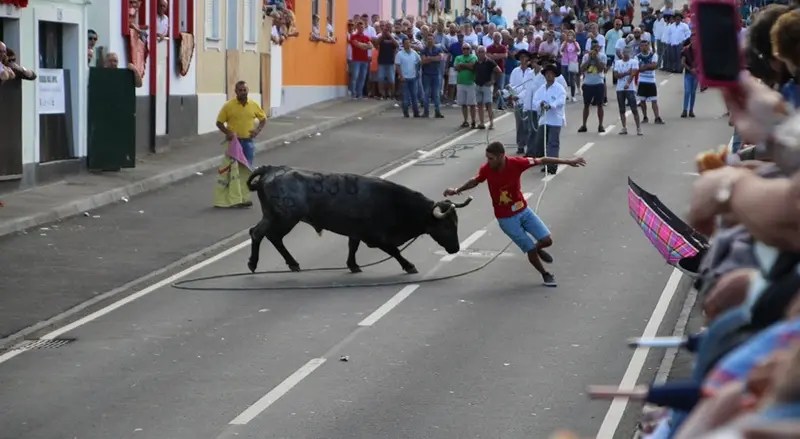
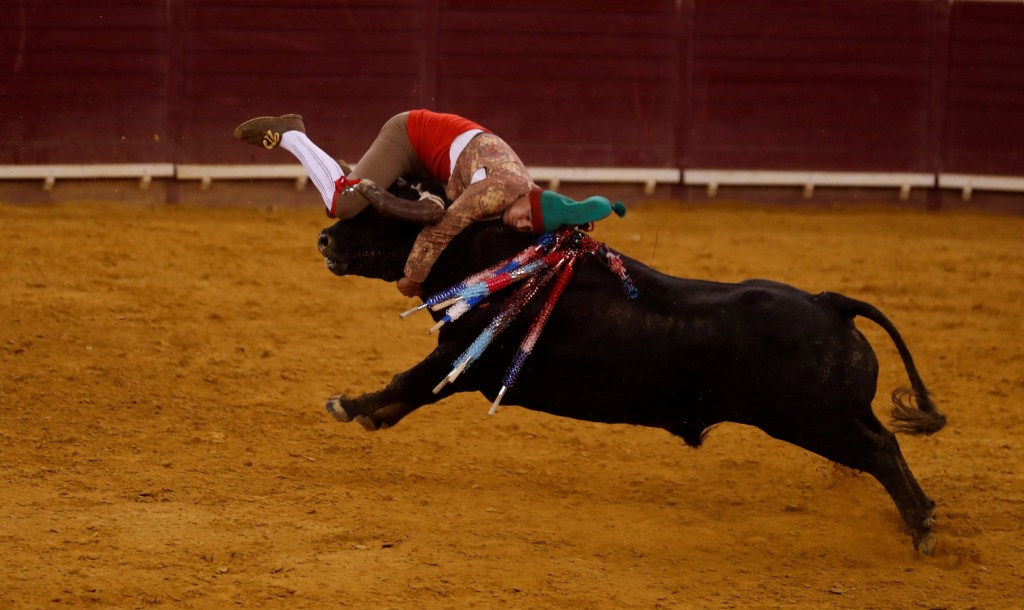
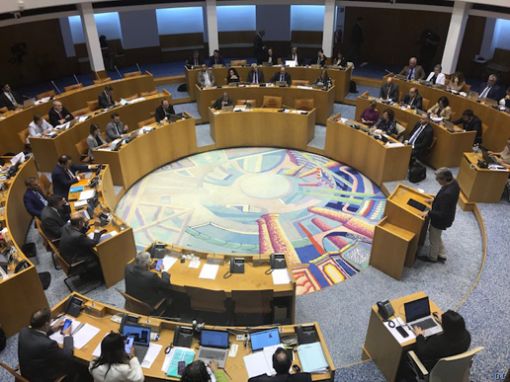
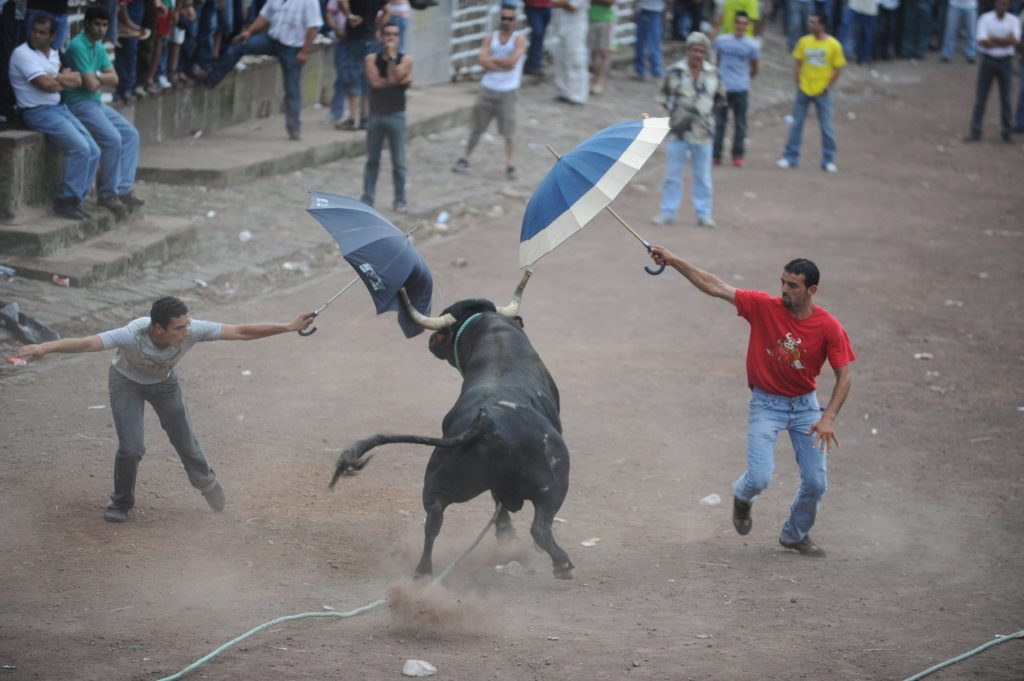
Yesterday, the Azorean Parliament rejected a draft regional legislative decree presented by PAN, which called for an end to bullfighting, rope bullfighting and support workers, and the conversion of bullrings.
The bill was voted down with PS, PSD, CDS-PP, PPM, IL, CHEGA, and an independent MP voting against BE and PAN voting in favor.
PAN AssemblymemberPedro Neves considered it “inconceivable” that tradition, art, and culture should continue to be used as arguments for maintaining bullfighting events.
For the MP, “true art is not based on pain,” and bullfighting is “the deliberate reduction of the animal to a mere object of human entertainment” and “unnecessary torture and pain.”
“An evolved society is not compatible with animal abuse,” he said, criticizing the involvement of children and young people, “desensitizing them to violence.”
“The bull, born and bred in freedom, goes through various traumatic situations, from being transported, imprisoned, exposed to disturbing visual and auditory stimuli, handled, wounded in an often deadly way, dragged through the streets, as well as being the victim of acts of rudeness and violence,” argued the PAN proposal.
Alexandra Manes, a member of the Left Bloc, considered that bullfighting is now “extemporaneous, but legitimized by the law”.
Admitting that the issue is far from generating consensus, she stressed that “we have scientific evidence at our disposal” in animal science, which “should already have been understood as decisive.”
The draft regional legislative decree aimed to “ban bullfighting, bullfighting by rope, bullfighting shows and bullfighting varieties in the Autonomous Region of the Azores, and to abolish the Regional Bullfighting Commission.”
In addition, the regional government would support “the conversion of existing bullrings in the region into multi-purpose, cultural or sports facilities.”
Speaking for the Azorean government was the Regional Secretary for Agriculture and Rural Development, António Ventura, who guaranteed democratic respect for the PAN proposal.
He considered the debate an opportunity to “gauge the will of the Azoreans to continue with bullfighting, whether by ropes or in a square.”
For António Ventura, “those who like” bullfighting outnumber those who reject it in the region, and “the future of bullfighting is assured.”
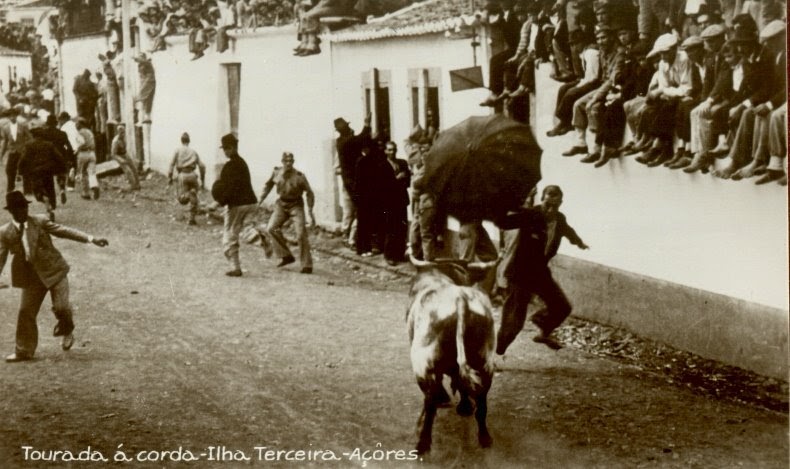
“Bullfighting embodies the values and traditions of our people,” said the regional secretary, who mentioned the presence of stud farms on five islands and cattle breeders on another three. There are around 2,300 wild animals in the archipelago. “Without bullfights there are no bulls,” he said.
Luís Soares, from the PSD, argued that the most recent bullfighting season showed the weight of the phenomenon. “The number of people (who participated in the bullfights) was fantastic. We have PAN to thank for this, as the more they talk about bullfighting, the more fans bullfighting gains,” said the Social Democrat Assemblymember.
For Luís Soares, bullfighting “is part of the identity of the Azorean people” and “we can’t be ashamed of it.”
PS Assemblymember Berto Messias rejected the argument that “progressives are in favor of ending bullfighting and conservatives or non-progressives are against it.”
He considered this a “Manichean and sectarian view, which doesn’t correspond to the truth at all.” Identifying Terceira as the “epicenter” of bullfighting in the Azores, he also recalled the “growing activity on Graciosa and São Jorge”.
“There is a weight of identity, which is not a factor of regression,” defended the Assemblymember, who criticized what would be “the imposition of the will of a minority on a majority.”
“Another attempt by the PAN to put an end to bullfighting in the region. Another attempt to put an end to our culture,” was how Pedro Pinto, from the CDS/PP, summed up his party’s position.
For Pedro Pinto, the PAN proposal represents an “attempt to impose a sterilization of our culture” and an “urban cultural matrix”.
Paulo Estevão, leader of the PPM parliamentary group, stressed the “great popular support for bullfighting” in the Azores.
“What must prevail is the freedom to support a tradition, there is a strong attachment and support,” he said, adding that “any decision to the contrary would be unacceptable to the people.”
Also, for José Pacheco, from Chega, this is the “tradition and culture of a people,” and “you can’t do by decree what goes against the will of the people.”
From IL’s Nuno Barata’s point of view, the issue is “freedom of choice for each individual,” and he believes that “the right to enjoy the art of bullfighting” should prevail.
Nuno Barata stressed, however, the need to reinforce compliance with animal welfare rules, especially in bullfights.
For independent Assemblymember Carlos Furtado, approval of the initiative would “clearly be an attempt to impose minorities on majorities.” “The agenda of these gentlemen is to do away with everything that identifies us, all wearing grey and following the same playbook,” he criticized.
The PAN Assemblymember countered that “a minority has done what it can and should do” and that the final decision belongs to the Azorean Parliament.
in Diário Insular, José Lurenço-director
Translated to English as a community outreach program from the Portuguese Beyond Borders Institute (PBBI) and the Modern and Classical Languages and Cultures Department (MCLL) as part of Bruma Publication and ADMA (Azores-Diaspora Media Alliance) at California State University, Fresno.
 Novidades - The Islands and the Diaspora
Let there be BULLL FIGHTS……Portuguese Tradition must be carried on.
LikeLike