

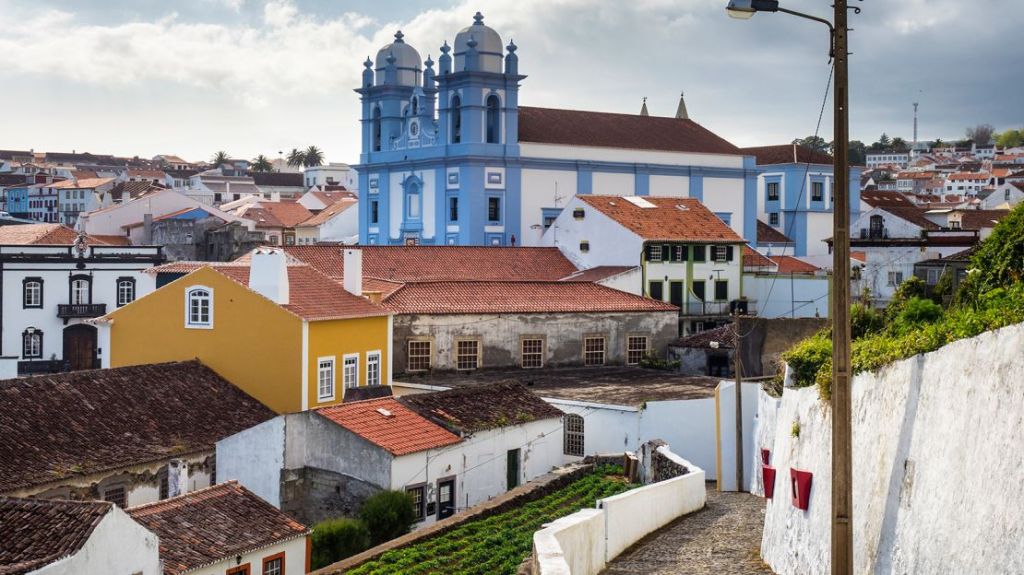
The report “Portugal, Social Balance 2024,” developed by researchers at Nova School of Business and Economics, ranks the Azores as the region with the highest poverty rate in the country.
“Poverty is more prevalent in the Autonomous Regions, which also have greater material and social deprivation and higher levels of inequality than mainland Portugal. The poverty rate is almost 8 percentage points above the national average in the Azores, the region with the highest poverty rate in Portugal,” the document highlights.
The poverty risk rate in the Azores is estimated at 24.2%, followed by Madeira with 19.1% and the Setúbal Peninsula with 18.7%. The researchers emphasize that in the Azores in 2023, more than 1 in 10 people were in a situation of severe material and social deprivation. It is noted that “even so, the poverty rate in the autonomous regions decreased between 2023 and 2024.” In Alentejo, the Center, and the Setúbal Peninsula, there was an increase in the prevalence of poverty. However, the severe material and social deprivation rate fell in all Portuguese regions between 2022 and 2023, except the Azores and the Lisbon Metropolitan Area.
“The Alentejo is the region with the lowest rate of severe material and social deprivation (3%), while the Azores (12%) and Madeira (6.3%) are the regions with the highest rates,” according to the study by researchers Susana Peralta, Bruno P. Carvalho, João Fanha, and Miguel Fonseca, as part of the Initiative for Social Equity, promoted by the “la Caixa” Foundation and BPI.
The severe material and social deprivation rate measures the percentage of the population affected by serious economic difficulties that compromise basic living and consumption standards.
For example, it is reported that, in 2023, in the region, one in ten families was unable to eat a protein-rich meal every other day. Another example is the proportion of people who were unable to obtain medical or non-dental consultations or treatment, which reached 9.3% in the Azores. In addition, the Gini coefficient, “one of the most widely used measures to assess inequality in income distribution, was analyzed for the seven Portuguese regions.” The study concluded that “in general, inequality increased between 2022 and 2023” and that “the Azores are the region with the highest inequality, followed by the Lisbon Metropolitan Area and Madeira.”
Researchers highlight the importance of transfers.
Without social support, the rate would rise by 6.6%. Social support is crucial to alleviating poverty in the Azores, as shown in the report “Portugal, Social Balance 2024.” According to the researchers, the “role of transfers in reducing poverty is greater in the autonomous regions,” and “in the absence of social transfers except pensions, the poverty rate would be 6.6 percentage points higher in both Madeira and the Azores.” On the mainland, “social transfers reduce the poverty rate in the North from 23.8% to 18.8%.” It is in the Lisbon Metropolitan Area that social transfers have the least impact on reducing poverty. They lead to a 3 percentage point reduction in the poverty rate.
The report highlights that, in 2023, the reduction in the poverty rate resulting from social transfers was twice as high in the Azores and Madeira as in the Lisbon Metropolitan Area.
The poverty or social exclusion rate in Portugal, calculated using 2023 figures, was 20.1%, compared to 21.3% for the European Union. Romania has the worst situation, with a rate of 32%.
In Diário Insular-José Lourenço, director
Translated to English as a community outreach program from the Portuguese Beyond Borders Institute (PBBI) and the Modern and Classical Languages and Literatures Department (MCLL) as part of Bruma Publication and ADMA (Azores-Diaspora Media Alliance) at California State University, Fresno, PBBI thanks Luso Financial for sponsoring NOVIDADES.

 Novidades - The Islands and the Diaspora