

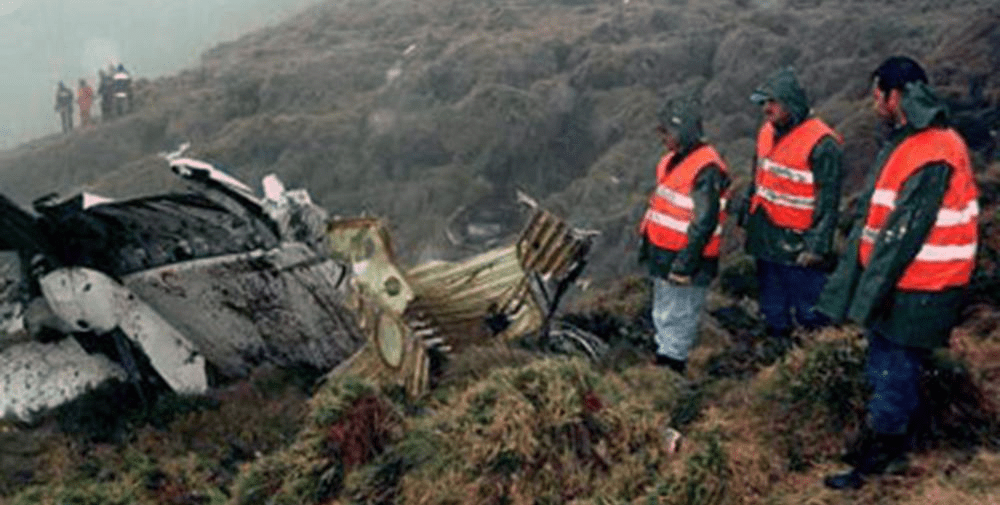
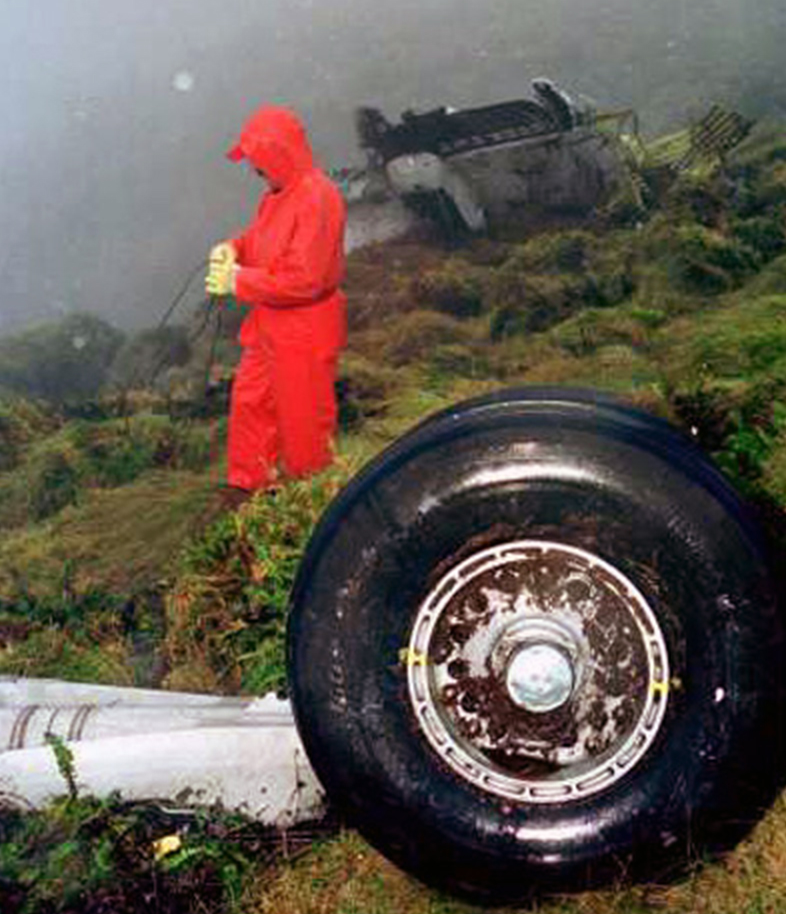
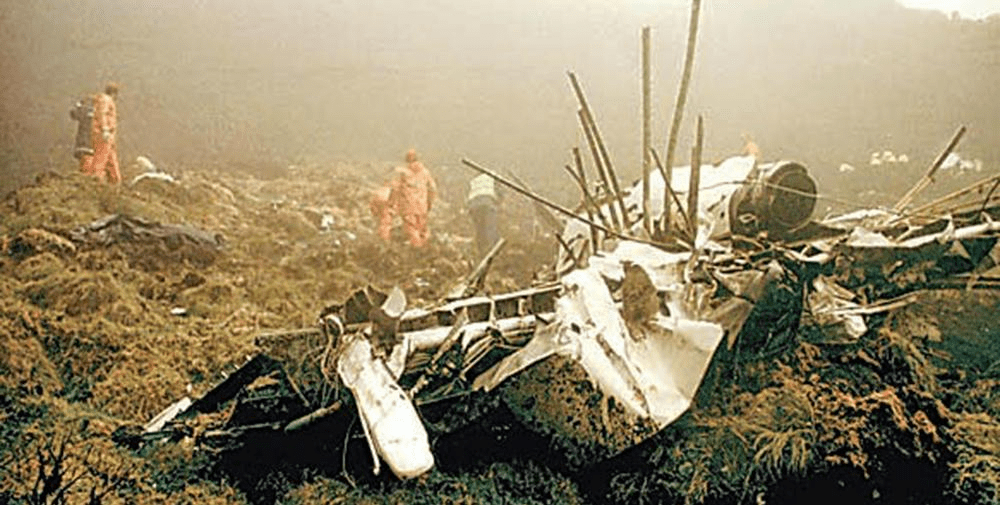
Yesterday, December 11, marked the 25th anniversary of the crash of the SATA Air Açores ATP “Graciosa” plane from Ponta Delgada to Flores, which hit Pico da Esperança in São Jorge.
The 35 people on board, including the crew, lost their lives.
The Azorean Church marked this special anniversary with a solemn Eucharist in the Church of Santo António, in the Pastoral Unit of the Nortes. All the island’s clergy participated, along with the diocesan bishop.
Speaking to Sítio Igreja Açores, the prelate, who is on a pastoral visit to the island, said that the “coincidence” between this fateful date in Azorean history and his pastoral visit “is an opportunity to unite our prayers” and pay tribute to the victims and their families.
“May we continue to offer support, understanding, and strength to those who still bear the pain of this loss,” said the Bishop of Angra on the sidelines of his visit to the parish of Manadas this Tuesday.
“Over these 25 years, São Jorge and the Azores have shown incredible resilience. The tragedy has not only reminded us of the fragility of life, but also of the strength of our community in overcoming moments of pain and loss,” said Bishop Armando Esteves Domingues.
“The tragedy must not be forgotten, but it is hope that moves us. As we enter the year of the Jubilee of Hope, let us entrust to God our prayers and our will to walk together. A hug to Flores, an island that has suffered so much from these losses of human life,” concluded the prelate, who spent the day on Tuesday in the parish of Manadas, where he will preside at the Eucharist at 7pm.
It was just after 9am when the “Graciosa,” after a previous stopover at Horta airport, crashed at Pico da Esperança, on the island of São Jorge, sowing tragedy once again in an archipelago already plagued by successive disasters such as the floods in Povoação (1996) and the landslides in Ribeira Quente (which killed 29 people in 1997), both on São Miguel; and the earthquake in Faial (which killed 8 people in 1998).
The then Bishop of Angra, D. António de Sousa Braga, was one of the first to arrive at the crash site in an attempt to support the shocked communities. On board the plane was a priest, Father Júlio Soares, who worked in Flores.
According to the aeronautical authority’s report, the flight took a detour without the crew realizing it was already crossing the northern coastline of São Jorge. Three seconds before the first impact, the Graciosa’s alarm sounded. At that point, the co-pilot warned that the plane had lost altitude and was “over São Jorge.” It was then that the pilot (with more than 20 years of experience) and co-pilot instinctively increased the engines’ power, but it was too late.
The maneuver was “insufficient” to avoid the collision, which caused a violent explosion and left the plane completely destroyed. After taking off at 8.37 am from Horta airport, the “Graciosa” made its last contact with land 34 minutes later.
In Diário dos Açores–Osvaldo Cabral-director
Translated to English as a community outreach program from the Portuguese Beyond Borders Institute (PBBI) and the Modern and Classical Languages and Literatures Department (MCLL) as part of Bruma Publication and ADMA (Azores-Diaspora Media Alliance) at California State University, Fresno, PBBI thanks Luso Financial for sponsoring NOVIDADES.

 Novidades - The Islands and the Diaspora