


With exports falling, except those to the United States, which are growing by almost 3%, Portugal’s textile and clothing industry is looking ahead to 2025 and the entry into office of the new administration led by President Donald Trump.
At stake are the tariff wars promised by the new White House tenant, prompting the Textile and Clothing Association of Portugal (ATP) to ask the Portuguese government and AICEP to step up support for promoting “the image of the country and the image of the industry” in the US.
The US market accounts for 8% of textile exports, especially clothing and home textiles.
There were almost 500 million euros in 2022, which fell by 10% in 2023 but grew again in 2024.
In the first nine months of the year, the Portuguese textile industry exported 318.3 million euros to the USA.
The USA continues to be the main export market for Portuguese wine (with 77 million euros), in addition to France (76 million euros), Brazil (66 million euros), the UK (53 million euros) and Canada (38 million euros). What about the Azores? Diário dos Açores asked the President of the Ponta Delgada Chamber of Commerce and Industry, Mário Fortuna.
“We should revisit logistical constraints.”
Will President Donald Trump’s promised “tariff war” on European exports hurt the Azores?
The tariff war will affect Azorean exports to the same extent as European exports since we have a common customs tariff. However, it is important to understand which goods we export to the US.
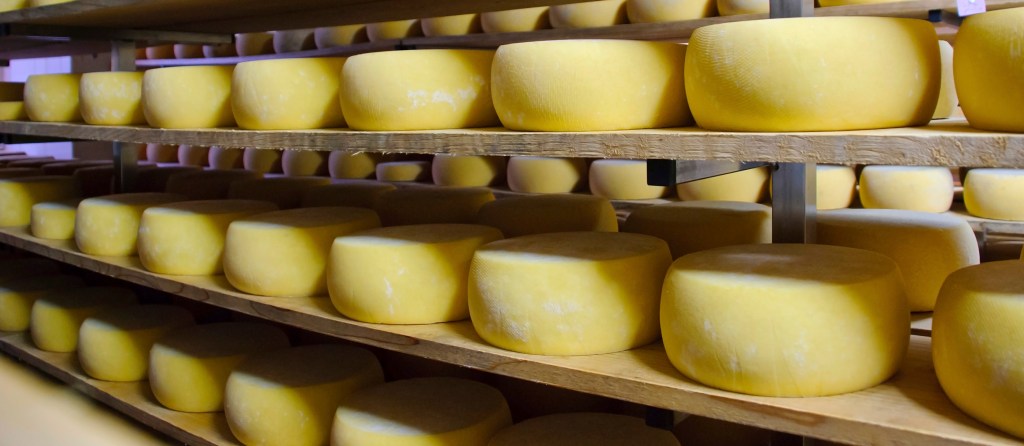
We can say that they are essentially goods associated with the nostalgia market, without much global impact, although with some effect in terms of dairy products or beverages. However small it may be, it is still a negative impact, both in terms of its direct and indirect effects, since the impact on the national and European economies also ends up affecting us because these are our major day-to-day markets and if they lose steam, our customers will buy less.
However, it’s important to note that our current major export to the United States is tourism services, which have risen to such an extent that the country is already our main source market.
Fortunately, no known or foreseeable measures will negatively affect this sector, so our main exports will not be affected.
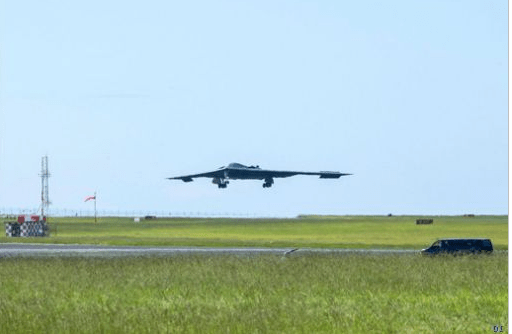
Could the fact that the US has a military presence at Lajes Base mitigate the “tariff punishment” against Portugal?
We don’t see how this could happen since, as already mentioned, tariffs are set at the European level and not at the national or regional level. If this administration gives the Lajes Base additional importance, it should manifest itself in another way, but not on the issue of tariffs.
Are there any constraints on exporting products from the Azores to the US?
Constraints on exports to the United States or to any other geography always exist in the form of (non-tariff) standards to be met by products, tariff trade restrictions, and logistics.
The standards that products have to meet are transversal and relate to the quality standards that each country imposes, such as the bacteriological characteristics of cheese, the mercury content in fish, or the transgenic nature of cereals, to name just a few non-tariff restrictions.
The tariffs applied are a constraint because they alter market conditions.
Logistical conditions are one of the biggest constraints, if not the biggest, on our exports to the United States, generally because we are not of a critical size to have good maritime connections, and air transportation of goods is very expensive for most products. This is not a new circumstance, and the problem persists, limiting the size of our export flow to that market. The same is true of other destinations with more difficult accessibility. As a result, the main trade intensity ends with the continent.
To increase product exports to the United States, it would be necessary to revisit the logistical constraints and act proactively in that market, in a planned action with potential exporters and importers. Unfortunately, the region has done very little, if not insignificant, in this area.
In Diário dos Açores-Osvaldo Cabral, director
Translated to English as a community outreach program from the Portuguese Beyond Borders Institute (PBBI) and the Modern and Classical Languages and Literatures Department (MCLL) as part of Bruma Publication and ADMA (Azores-Diaspora Media Alliance) at California State University, Fresno, PBBI thanks Luso Financial for sponsoring NOVIDADES.
 Novidades - The Islands and the Diaspora