

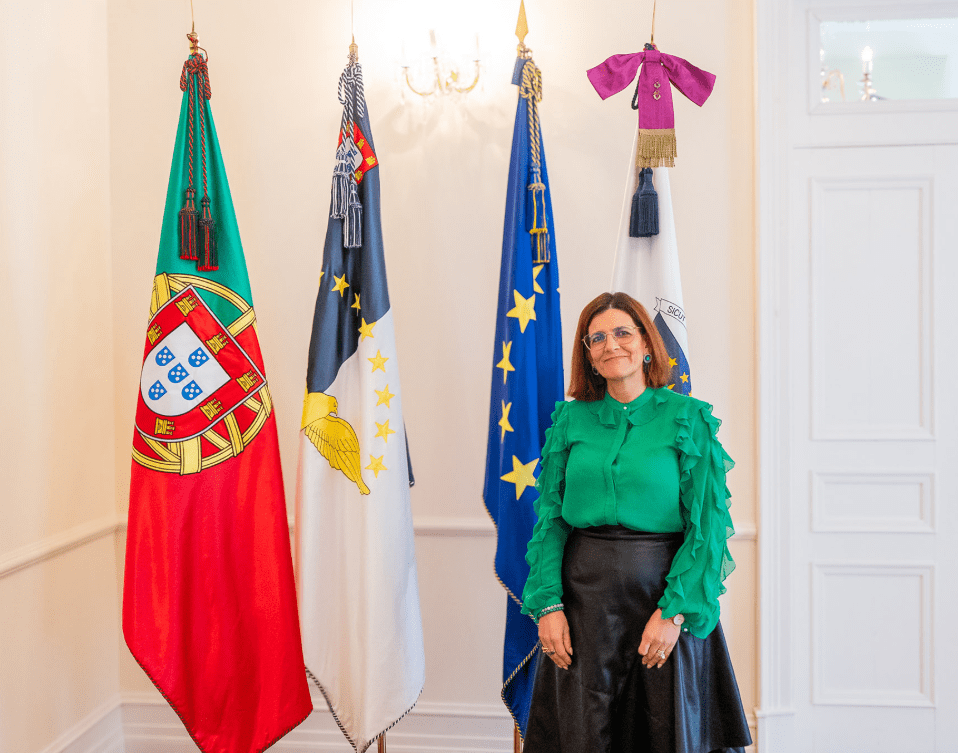
Almost half a century after it was founded, the University of the Azores (UAc) plays a crucial role in the region’s social, economic, and cultural development, as stated by the Rector (President in the USA), Susana Mira Leal. In an interview with ‘Correio dos Açores,’ the Rector of UAc highlights the institution’s impact, which welcomes around 950 new students annually, most of whom come from the region. With around 5,000 graduates over the last eight years, the University has made a decisive contribution to local qualifications and the development of companies, public administration, and the social sector. The strategic partnership with the Divino Espírito Santo Hospital aims to create a University Health Technology Center, which will expand the training offered in medicine and strengthen health research in the region. With this project, the University aims to provide a complete degree in Medicine, complemented by creating a Clinical Academic Center essential for training and research in health. In addition, the internationalization of the University is a priority, with 40% of its research projects developed in international collaboration. With the 50th-anniversary celebrations taking place throughout 2025, the Rector of UAc says that the University is promoting a vast program with more than 50 initiatives, including conferences, workshops, and exhibitions, to involve the entire Azorean community, both on and off the islands, in recognizing the legacy and opportunities generated by the institution.
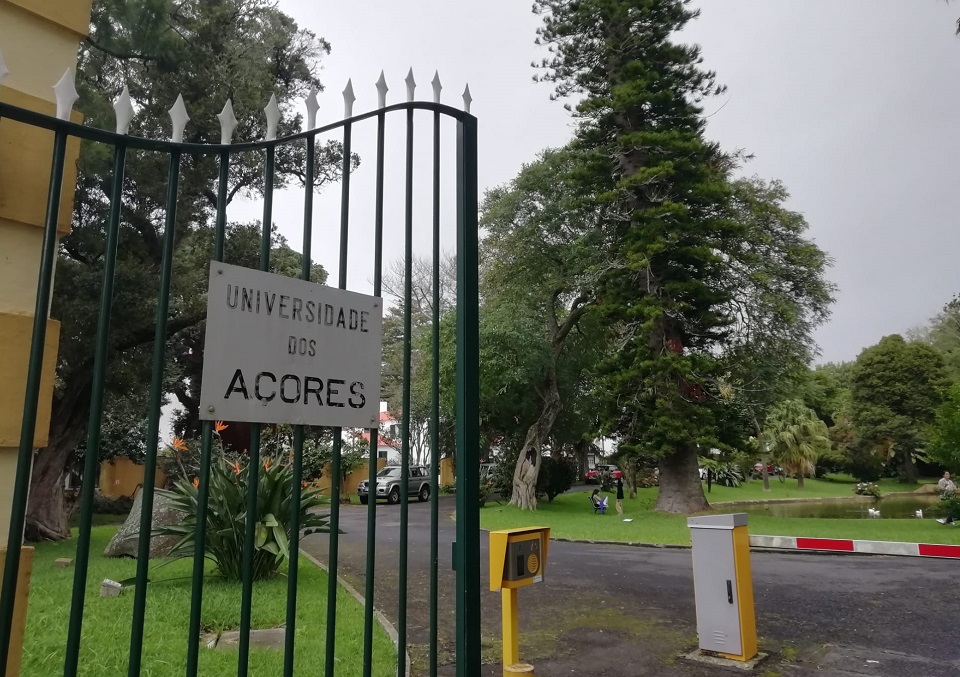
Correio dos Açores —Almost 50 years after its founding, how do you assess the University of the Azores’ impact on the region’s social, economic, and cultural development?
Susana Mira Leal (Rector (Presidente in the US) of the University of the Azores) – The existence of a higher education institution makes it possible to develop a range of activities in terms of qualification, research, knowledge transfer, and cultural extension, which are fundamental to the development of the regions where it is located.
The University of the Azores welcomes around 950 new students every year, providing undergraduate and postgraduate training for many people.
If we look at the data, we see that between 70% and 75% of the University’s students are from the region, thus contributing to local qualifications. In addition, the University brings around 250 to 300 young people to the region every year from the mainland, Madeira, or abroad. Some end up working in the area, starting families while they are here, investing, consuming, using local infrastructures, and integrating into society, promoting the enrichment and rejuvenation of the community.
For example, around 700 students have been foreigners in the last three years. This is very positive for the region, as it promotes it and brings in young people from different backgrounds with different ideas and experiences. Some stay, and those who don’t take the experience with them and promote the region.
The University of the Azores has had around 5,000 graduates in the last eight years. In a study carried out in 2023 by the Ponta Delgada Chamber of Commerce and Industry, it was concluded that 87% of the companies in São Miguel and Santa Maria had at least one employee who had graduated from our University, and some 10. This shows that graduates integrate companies, the public administration, the social sector, associations, and cultural entities in the region, thus contributing to the qualification of their staff. As a result, these organizations have become more productive, resilient, innovative, and capable of significantly contributing to their own growth and the region’s development.
The University of the Azores and the Divino Espírito Santo Hospital will partner up and create a University Health Technology Center. What would be the impact of this collaboration on the academic and regional community? How could all medical degrees be developed in the region?
The university has done quality work in health over the years, both in nursing and medical training. But we aim to go further.
The region doesn’t have a large, consolidated health structure, which we think is fundamental. Several country areas follow this model, with 12 clinical academic centers currently in place.
Clinical academic centers (CAC) associate higher education institutions with health care and research units, including hospitals.
Their existence in the region would allow us to expand our training offer in the area of medicine, evolving from the Basic Cycle of Medicine, which we offer in partnership with the University of Coimbra, to full training in the area and to strengthen the offer in the area of nursing and biomedical sciences. At the same time, we would expand our research capacity in human and environmental health, focusing on diseases and phenomena that affect the region, and we could also position the region in the field of clinical trials. This is why we advocated the creation of a CAC in the area. We have received a warm welcome from the Regional Government, and together, we hope to move forward with this initiative, which is undoubtedly strategic for the Region. To this end, a working group will be set up, made up of professors and researchers from the UAc and people appointed by the Regional Government, who will study the implementation of the CAC, taking into account the requirements of the project and existing models in the country, and the need to adapt national legislation to the Region.
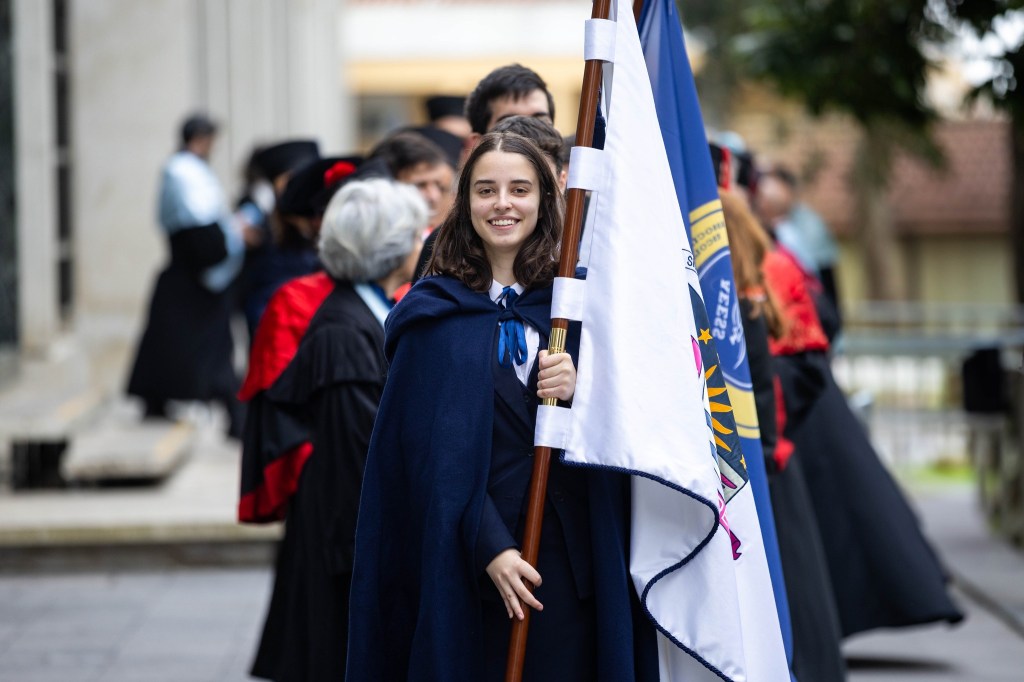
How is the internationalization process of the University of the Azores going? What have been the main achievements and challenges in this area? Will there be a degree in Ocean Sciences, or will the first accredited degree exclusively be in English?
Internationalization focuses on both teaching and research. Regarding research, we have had a strong integration dynamic into international networks and applications for European projects. Around 40% of the University of the Azores’ projects have international funding and are in partnership with foreign institutions and researchers. In terms of teaching, we have been consolidating our position. As I mentioned, we have welcomed around 700 foreign students in the last three years. In addition, UAc has been establishing international partnerships to offer joint courses (we already offer two master’s degrees and two doctorates in collaboration with foreign universities), strengthening our training offer and its attractiveness to foreign audiences. With this in mind, we also decided to accredit the degree in Ocean Sciences in English, taking advantage of the teachers, researchers, and equipment the University offers in the area at the Ponta Delgada and Horta centers. Students will spend their first year in Ponta Delgada and the following two years in Horta, where we have researchers specializing in oceanography, fisheries, conservation of marine ecosystems, and deep sea exploration. We have boats and equipment for field work, marine expeditions, and research, to which the MARTEC and the new research vessel will soon add value. An important step in the internationalization of the UAc was the approval of the application to the Erasmus+ program that we recently submitted together with 12 European universities from coastal, island, and port regions in 11 countries (Bulgaria, Croatia, Finland, France, Germany, Greece, Italy, Poland, Portugal, and Slovenia) for the creation of a large European University, EUNICoast. This international alliance has strategic potential for the joint creation of short courses, master’s degrees, and doctorates and the deepening of research by combining the capacities installed between the partner universities.
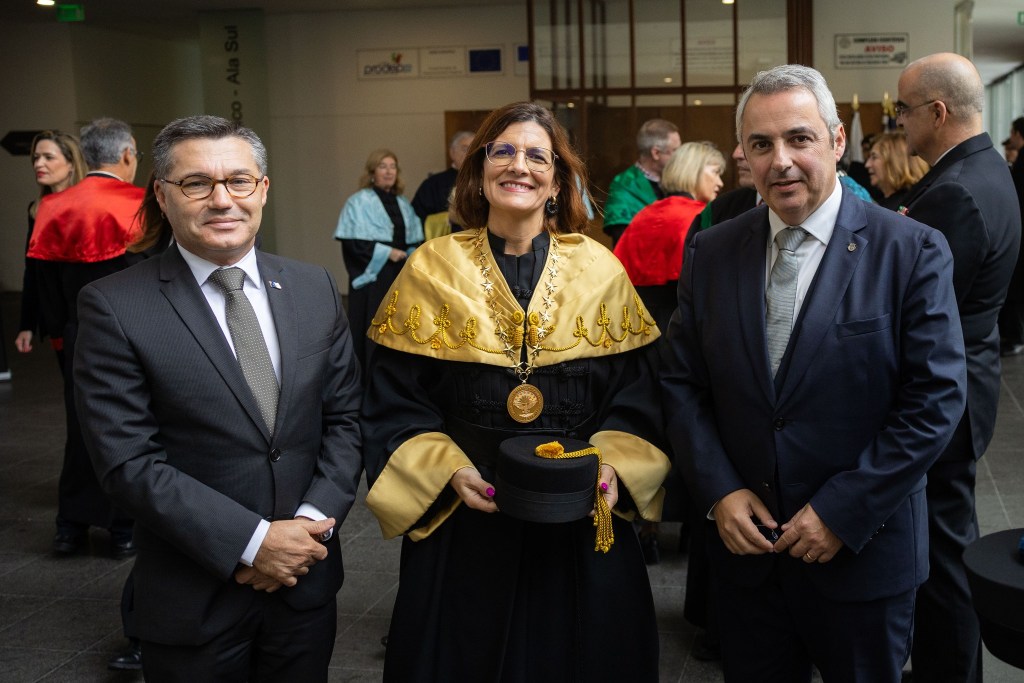
As you mentioned, the UAc is recognized for its scientific research, particularly in the seas and marine ecosystems. Do you think regional and national governments have given due importance to this work? What could be done to strengthen this recognition? First of all, I would like to point out that the University of the Azores is not only recognized in the area of the sea. Although this is perhaps the area with the greatest visibility in the community, UAc has research teams and centers working in various areas of knowledge with national and international impact and relevance. For example, THE, one of the world rankings by scientific area, placed the University of the Azores in 2025 among the 600 best in the world in the area of Life Sciences in a universe of around 2100 institutions. In Shanghai’s ranking, around 3,300 institutions, UAc is among the 400 best in Ecology and Evolution. This should be a source of pride and an incentive to keep growing and improving for a university of our size. After all, we have far fewer researchers and resources than many of the universities in these rankings. However, we still stand out for our ability to produce science and generate knowledge in these areas. This is in addition to the area of the sea, where we play a fundamental role in monitoring and conserving natural marine resources, managing fishing stocks, assessing human impacts on the ocean, maritime planning, aquatic ecology, and biodiversity, and studying the deep sea. It is important to note that the Azores now have more information about the deep sea than any other region on the planet. This is due to the work carried out in Horta by our OKEANOS institute. About Earth and Life Sciences, UAc is essential in monitoring and assessing geological risks and observing seismic activity. We have also carried out work of great merit in the knowledge and preservation of the biodiversity of the region’s natural terrestrial ecosystems and in agricultural sciences regarding soil quality management, animal genetics, and nutrition or pest control .The research carried out at UAc has also become increasingly important in understanding tourist flows and their impact on the economy, culture, and the environment, as well as in the knowledge of our history and cultural heritage. Finally, it is important to emphasize that all the investment made in the University of the Azores not only contributes to the advancement of science and knowledge but also strengthens our training offer and its scientific quality, being reinvested in the Region itself, both in qualification, in the creation of knowledge and in decision support, as well as in job creation, in the consumption of goods and services and in attracting and retaining talent. Economist Gualter Furtado challenged the University of the Azores itself to launch an internal debate on its own future, involving teachers, researchers, self-government bodies, local authorities, and civil society, the results of which would be revealed as part of the celebration of the 50th anniversary of the Azorean university. I haven’t spoken to Dr. Gualter Furtado about this, but his thoughts align with ours. On the one hand, as I had the opportunity to announce at the UAc anniversary ceremony, in the first half of this year, a study will be carried out on the University’s impact on the region in partnership with the Bensaúde Group. On the other hand, as part of the institutional assessment process recently carried out by the National Accreditation Agency, the University will be designing its strategic project for the coming years. This study will provide a current picture and support reflection on the challenges, potential, and opportunities the University of the Azores must embrace in the coming years.
How is the construction of the new university residences progressing?
Despite the deadlocks and delays that this process has suffered, we have managed, through negotiation and persistence, our own financial effort and the participation of the municipalities of Ponta Delgada, Angra do Heroísmo, and Horta to move forward with these projects. On the 10th and 11th, I will travel to Terceira and Faial to lay the first stones for the Angra do Heroísmo and Horta residences. And we estimate that by the end of February or the beginning of March, we’ll be able to do the same in Ponta Delgada. In March 2026, per the commitment made under the PRR funding, we hope to open the doors and welcome the first students. The University of the Azores is recruiting new professors. How easy is the process of renewing the decent staff? Renewing the staff of institutions is always a challenge, especially when, for a long time, this process has been slow and limited. As the teaching staff ages, many retirements are approaching, and we must replace and recover. On the one hand, this represents an opportunity for renewal for the institution; on the other, it is a challenge, as it concentrates many recruitment competitions in a short period. This year, we already have 26 open competitions – 21 for teachers and 5 for researchers – and we plan to open more. Our expectation is that most of these new teachers and researchers will be able to work as early as next academic year.

Will the number of courses increase?
Given our size and the market we serve, the University of the Azores already offers a very wide and diversified number of courses. At the moment, we offer seven Professional Higher Technical Courses (TeSP), 22 undergraduate and integrated master’s degrees, 31 master’s degrees, 10 doctorates, and various postgraduate courses.
Our aim is not necessarily to increase the number of courses but rather to renew our training offer by reviewing some courses or replacing or alternating some courses with others to provide new training opportunities.
This year, we opened three new master’s degrees: Clinical and Health Psychology, Tourism Destination Management, and Organic Farming and Rural Development. We also accredited a new TeSP in Administrative Advice and Management for the Angra do Heroísmo campus and a degree in Ocean Sciences for Ponta Delgada and Horta.
We’re also working on creating two new degrees and extending the Veterinary Medicine preparatory courses to an integrated master’s degree. This demanding project involves hiring new veterinary doctors and making a veterinary hospital. As I’ve already said, UAc should aim to do the same with human medicine shortly, starting with creating the Academic and Clinical Center.
In addition, we are working to qualify our teaching staff for distance learning to expand our offer of this form of training.
The mental health of students is an issue of great concern. What measures and initiatives has UAc implemented to support students’ psychological well-being?
Following the COVID-19 pandemic, we have seen an increase in students’ need for psychological and even psychiatric support and monitoring. Our social and school services have made great efforts and invested heavily.
We created the Health and Well-being Office and have reinforced this support by hiring psychologists and partnering with external entities, which allows us to offer a broad and specialized service.
In addition, we joined the “psychologist cheque,” an initiative of the Ministry of Youth and Modernization, in partnership with the Ministry of Education, Science, and Innovation, which provides UAc students with 759 free psychology consultations.
We also submitted and saw approval from the Directorate-General for Higher Education for a project to promote mental health to be developed in 2025-26. This project will make it possible to reinforce the UAc’s means and resources for the follow-up, monitoring, and promotion of mental health, including the hiring of psychologists, the characterization of the mental health status of our students, the carrying out of situational diagnoses, the signaling of areas of intervention, the definition of an action plan and the promotion of mentoring and volunteer programs in the reception and integration of students. At the same time, we will promote training for teachers to promote students’ mental health and organize an island meeting on mental health in partnership with the University of Madeira.
With the celebrations for the University of the Azores’ 50th anniversary approaching, what can we expect regarding events and reflections on the institution’s legacy?
For the UAc’s 50th anniversary celebrations, we have established four principles: the celebration should last for one year (from January 2025 to January 2026), take place on all the islands and extend to our diaspora, be participated in by entities outside the University, and have activities diversified and geared towards different audiences and objectives (we already have around 50 initiatives).
So far, more than 20 organizations associated with the University for this celebration (including libraries, museums, local authorities, companies, and the media) have planned more than 50 initiatives.
We have a bit of everything: conferences, workshops, and seminars at the national, regional, and international levels, addressing emerging themes in education, culture, and science.
Other initiatives include a science and technology fair and cultural and artistic events (competitions for artistic creation, an installation at the Carlos Machado Museum, creative and photographic exhibitions, and a festival with former and current musical and cultural groups from our institution). There will also be physical and sporting activities, book publications, and an Atlântida program dedicated to the University of the Azores.
We will also promote two summer courses for young people of Azorean descent in partnership with the Regional Directorate for Communities and the Luso-American Development Foundation.
In addition, the University museum project will begin, and the official UAc store and a new institutional website will be created.
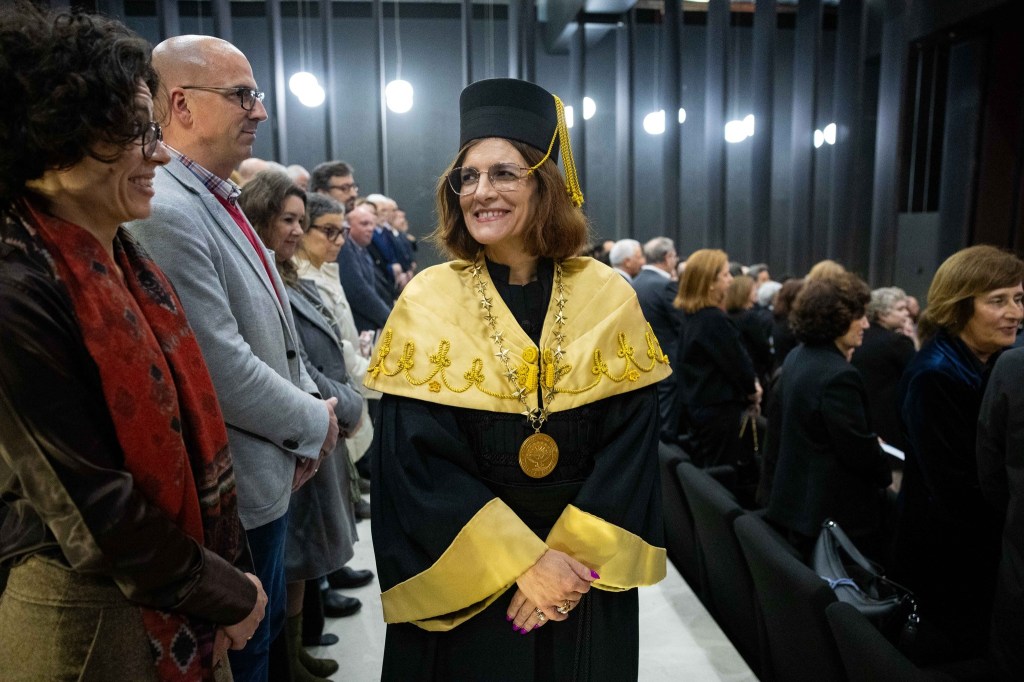
What message would you like to leave the academic community and Azorean society at this milestone in the university’s history?
The creation of the University of the Azores was a great achievement, and its existence and development require a permanent exercise in defending this fundamental asset for the affirmation and development of our region’s autonomy.
There has been a growing movement in municipalities and regions to demand the creation of higher education institutions (there were just over 10 in the country when the UAc was born in 1976; today, there are almost 100, both public and private). Regions and municipalities vehemently defend the existence of these institutions and value and support their action and development, recognizing their fundamental role in regional and local development and promoting territorial, social, cultural, and economic cohesion.
Institutions are made up of people, by people, and for people, and their success and impact reflect the dedication, trust, and professionalism of the people who make them up. However, their trajectory is also the result of the communities in which they operate. They react to the needs, questions, and challenges they face and grow through the trust and encouragement they are given and the support and recognition they receive.
That’s why my first word is one of recognition and appreciation to all those who, over these almost five decades in academia and beyond, have worked hard and contributed to the fulfillment of the institution’s mission and the growth and national and international affirmation of this University, which belongs to the Azores and to all Azoreans.
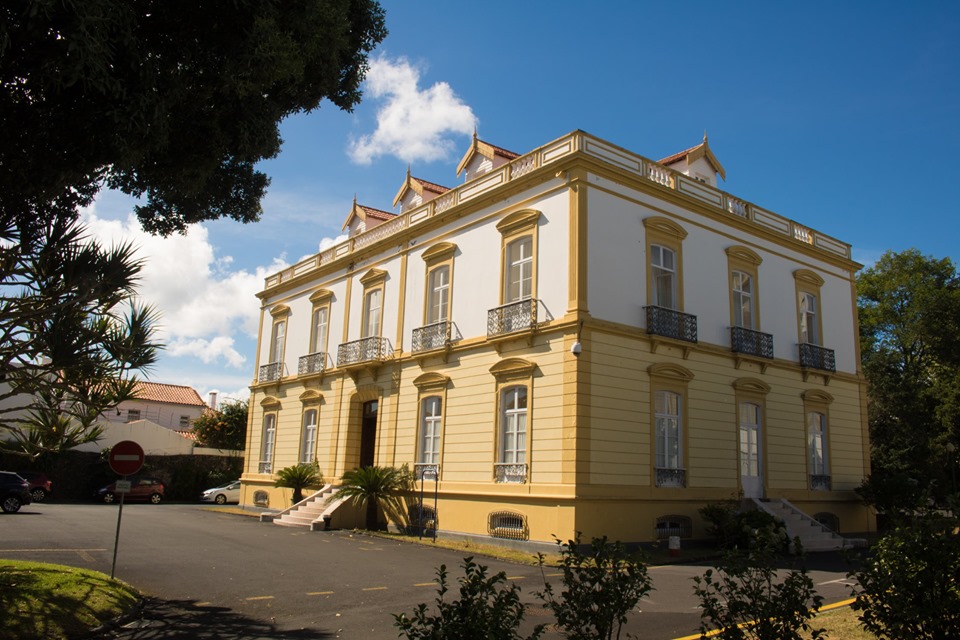
Filipe Torres is a journalist for the newspaper Correio dos Açores-Natalino Viveiros, director.
Photos from Correio dos Açores and the University of the Azores.
Fresno State has an ongoing MOU with the University of the Azores. Since 2017, over 50 students have participated in exchange programs between both universities.
Translated to English as a community outreach program from the Portuguese Beyond Borders Institute (PBBI) and the Modern and Classical Languages and Literatures Department (MCLL) as part of Bruma Publication and ADMA (Azores-Diaspora Media Alliance) at California State University, Fresno, PBBI thanks Luso Financial for sponsoring NOVIDADES.

 Novidades - The Islands and the Diaspora