

From July 8 to 11, the University of the Azores will host the 13th Portuguese Sociology Congress, an edition marking the 40th anniversary of the Portuguese Sociology Association (APS). The event brings together around 600 participants (500 in person), including researchers from 15 countries, to discuss the challenges facing contemporary democracies under the theme “Democracies under pressure: risks and uncertainties.” Highlights include conferences with Susan Benesch (Harvard University), Vasco Cordeiro, and Augusto Santos Silva, as well as the launch of the book “Demography | Sociology: Studies and testimonies in honor of Gilberta Pavão Nunes Rocha,” a retired professor and figure in the development of Sociology and Demagoguery in Portugal, on the last day of the congress.
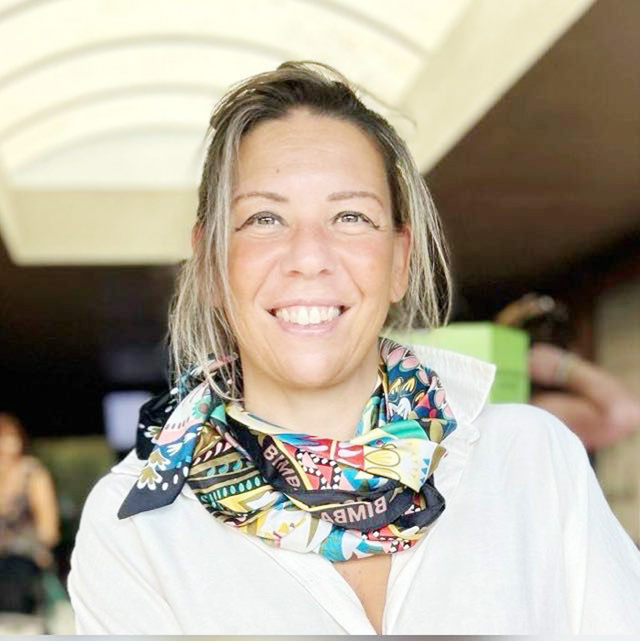
The University of the Azores is preparing to host, for the first time, the Congress of the Portuguese Association of Sociology (APS), marking the 40th anniversary of the organization. According to Pilar Damião de Medeiros, professor at the institution and director of CICS,UAc/CICS.NOVA.UAc – Interdisciplinary Center for Social Sciences, “has a very special meaning” for the Azorean institution. “It is the first time it is being held at our university; all other institutions with a degree in Sociology had already organized the congress in the country, and it is the first time it will be organized in the Azores, namely in São Miguel,” she emphasizes. This 13th edition of the APS national congress runs from today, the 8th, until July 11, 2025. The first day will be dedicated exclusively to online sessions, while the following three will take place in person at the University of the Azores in Ponta Delgada. The event will have around 600 participants, of whom approximately 500 will be present at the University of the Azores. “We are very pleased with this reception. Now, it is indeed a challenge for us, for the University of the Azores, and for the Interdisciplinary Center for Social Sciences, which is also co-organizer of this event,” says the professor.
The conference is based on a highly topical central theme: “Democracies under pressure: risks and uncertainties.” For Pilar Damião de Medeiros, this is a motto that reflects the fragilities experienced in contemporary democracies. “There is enormous disorientation in our democracies; there is great fragility, even in these democracies, following the rise of populism and conservative movements, and also with the increase in social and economic inequalities.” The reflection that will be encouraged throughout the four days of the event will include an analysis of the main challenges facing democratic regimes today, with a special focus on the new dynamics of exclusion, polarization, and disinformation.
With a total of 151 sessions covering various areas of sociology, the conference will also feature participants and speakers from 15 different countries, contributing to an international and interdisciplinary dimension that the organizers consider essential. Among the names in the spotlight is Susan Benesch, an associate professor at the Berkman Klein Center for Internet and Society at Harvard University and founder of the Dangerous Speech Project, an initiative that analyzes dangerous speech online, particularly on social media. The American professor will be the keynote speaker at the congress’s opening session, scheduled for July 9.
Another highlight will be the closing conference with Vasco Cordeiro, former President of the Committee of the Regions of the European Union and current President of the Committee on Territorial Cohesion Policy and Budget of the same committee. The program also includes a plenary session with Professor Augusto Santos Silva, from the Faculty of Economics of the University of Porto, dedicated to the theme “Democracy on trial.” This session will be moderated by Paulo Peixoto, the current president of the APS and a professor at the University of Coimbra.
At the local level, one of the most symbolic moments of the congress will be the tribute session to retired professor Gilberta Pavão Nunes Rocha, a central figure in the development of Sociology and Demography in Portugal and at the University of the Azores. The ceremony will take place on July 11, at 4:30 p.m., in the Aula Magna of the University of the Azores. It will feature the launch of the book “Demography | Sociology: Studies and testimonies in honor of Gilberta Pavão Nunes Rocha.” “It is a work that I put together with colleagues, students, and friends, reflecting the academic, scientific, and institutional standing of Professor Gilberta Rocha,” explains Pilar Damião de Medeiros, who will present the book together with the rector of the University of the Azores, Susana Mira Leal.
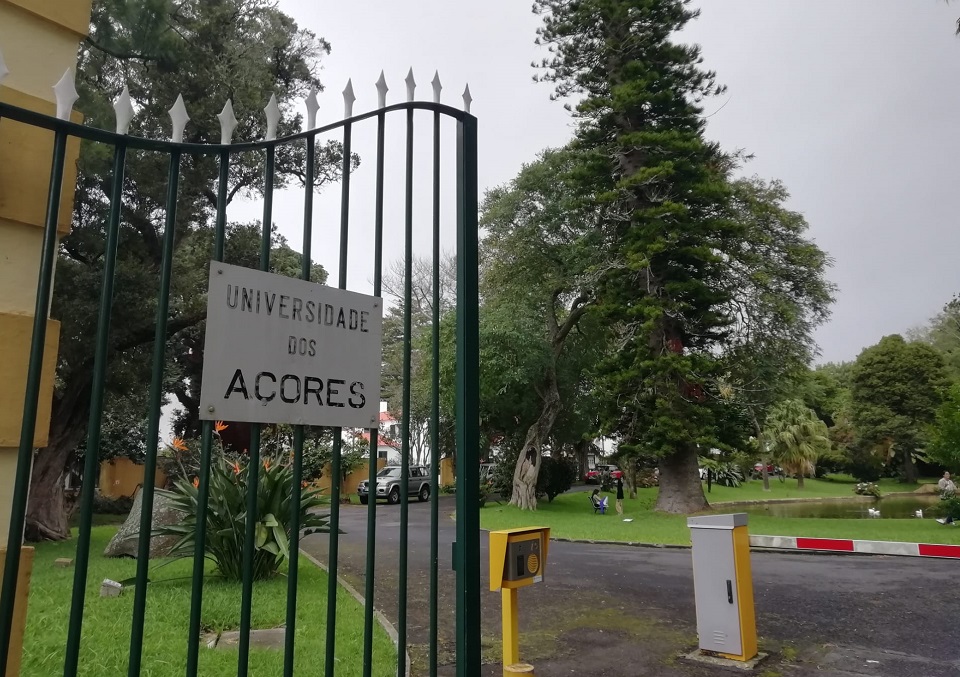
This conference also represents a strategic opportunity to increase the visibility of the Sociology course and the Department of Social Sciences at the University of the Azores. “It is an important moment in the recognition of the Department of Sociology and the Sociology course here at the University of the Azores. There is national recognition of the work we have been doing.” The professor also highlights the direct involvement of students, particularly through the Sociology Student Association and a group of volunteers, most of whom are from the course itself. “There is also a closeness here—not only the visibility of the Sociology course, but also the proximity of our students to what is being done in the field of Sociology at the national and international level.”
This direct contact with researchers, projects, and contemporary debates will allow students to “get to know some of these researchers personally and be present in some of these projects,” she adds. For the organization, this is also a way of showing “the enormous relevance of sociology in contemporary societies” and the role that sociological analysis can play in understanding the dynamics of power, inequality, discrimination, and social change.
Among the topics that will be highlighted throughout the conference are: populism and political extremism, social and gender inequalities, migration, mobility and diasporas, the climate crisis, technology and democracy, civic participation and social movements, as well as the impact of digital technologies on democratic governance—with issues such as privacy, cybersecurity, and disinformation at the center of the discussion. “We have a variety of topics that need reflection, analysis, study, and reliable and valid data to counteract the opinion that is part of our daily lives,” emphasizes the professor.
In addition to the scientific aspect, the organization hopes that the conference will also have a cultural and human impact, both among participants and in the local community. “We want there to be greater reflexivity, a greater critical capacity to look at the issues of our day, of our daily lives. And this reflection is achieved through a rigorous analysis of social facts and by combating the fabrication of realities that are not true—especially those created in the virtual world.“ According to Pilar Damião de Medeiros, it is precisely this critical rationality that we hope to promote: ”to gain this critical, reflective, analytical rationality in order to better understand the world around us.”
Finally, the director of CICS.UAc/CICS.NOVA.UAc – Interdisciplinary Center for Social Sciences concluded with: “we have an important laboratory to analyze, which is our contemporary societies – and we need contributions from different areas, but also from different thematic areas of Sociology itself, to better understand these new realities.” For four days in the Azores, critical voices and perspectives will come together to discuss the challenges facing democracies in the 21st century.
Filipe Torres is a journalist for Correio dos Açores-Natalino Viveiros, director.
Translated to English as a community outreach program from the Portuguese Beyond Borders Institute (PBBI) and the Modern and Classical Languages and Literatures Department (MCLL) as part of Bruma Publication and ADMA (Azores-Diaspora Media Alliance) at California State University, Fresno, PBBI thanks Luso Financial for sponsoring NOVIDADES.

 Novidades - The Islands and the Diaspora